The Universal Appeal of Sports
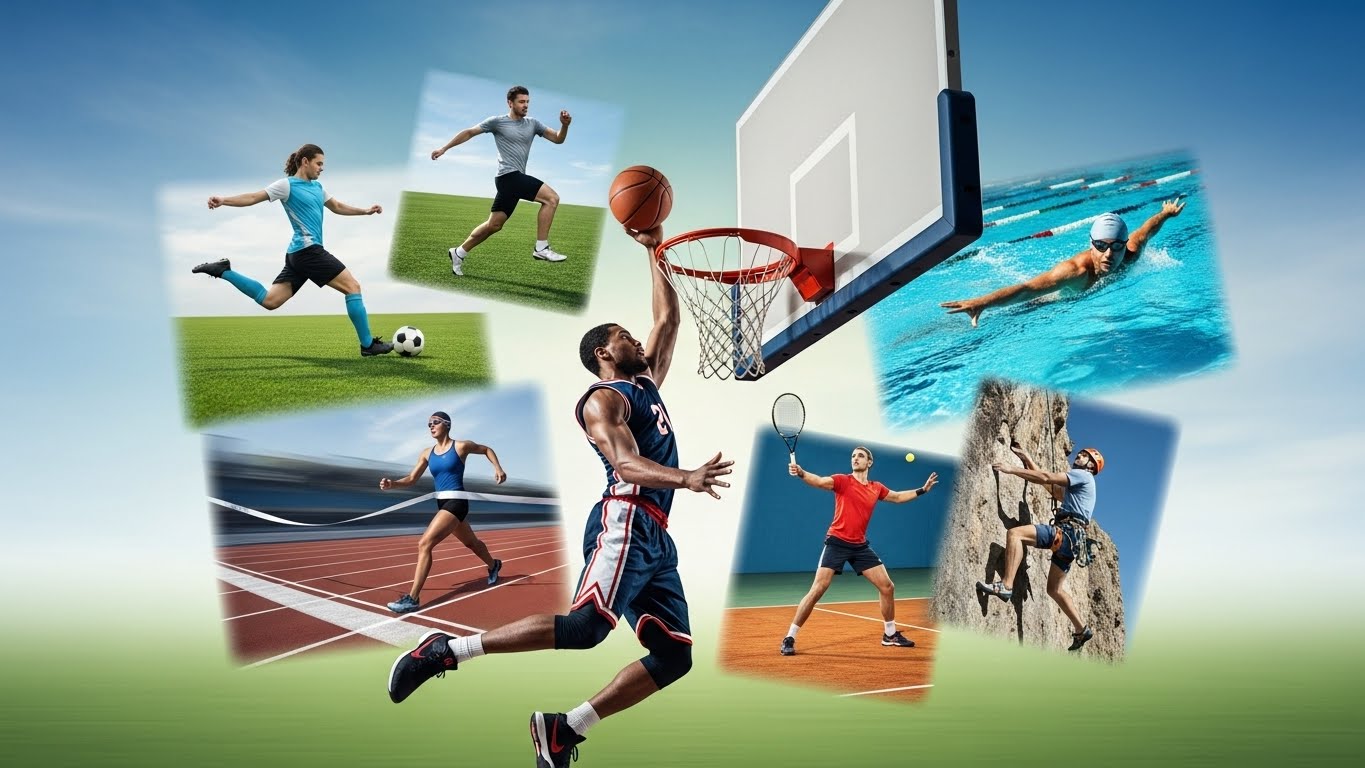
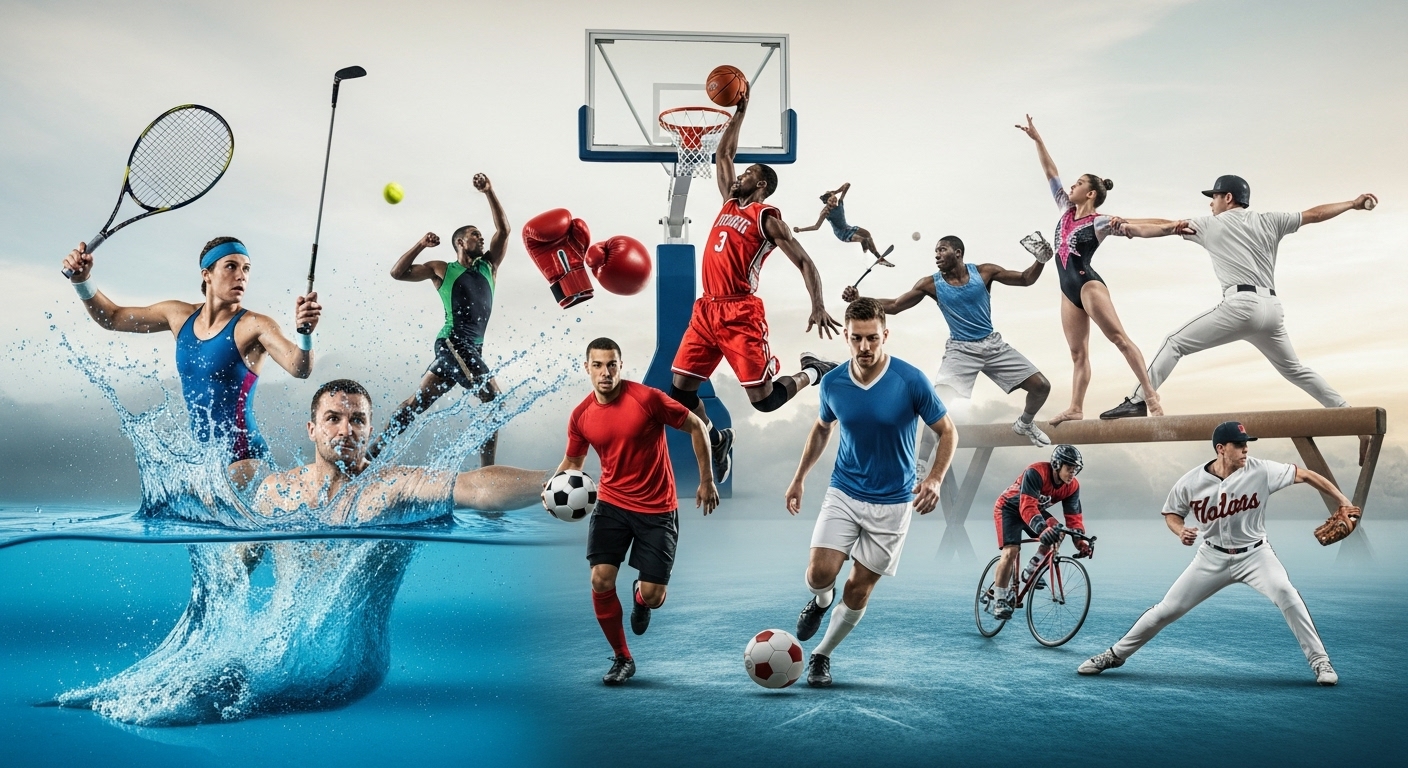
Sports have always held a special place in human culture. From ancient civilizations to modern society, sports have been a way to showcase talent, build character, and foster community. The beauty of sports lies in its universality—it transcends language, culture, and geography. Whether it’s soccer in Brazil, cricket in India, or basketball in the United States, sports have a unique ability to bring people together, spark passion, and create lasting memories.
The appeal of sports goes beyond physical activity. It provides entertainment, teaches discipline, and fosters emotional resilience. Athletes, coaches, and fans alike are united by the excitement of competition, the thrill of victory, and the lessons learned from defeat. In essence, sports are a reflection of human spirit, determination, and the desire to excel.
The Evolution of Sports
Sports have evolved significantly over the centuries. Ancient societies played rudimentary forms of games, often tied to religious ceremonies or military training. The Greeks introduced structured competitions like the Olympic Games, emphasizing skill, physical fitness, and honor. Over time, these activities developed into organized sports with rules, teams, and global recognition.
Modern sports continue to evolve with advances in technology, training methods, and analytics. Today, athletes benefit from scientific approaches to nutrition, exercise, and recovery. Sports have also become highly professionalized, with leagues, tournaments, and sponsorships creating entire industries. The evolution of sports illustrates humanity’s desire not only to compete but also to innovate and push physical and mental boundaries.
Physical and Mental Benefits of Sports
Participation in sports offers countless physical and mental benefits. Physically, sports improve cardiovascular health, strength, flexibility, and endurance. Regular activity reduces the risk of chronic illnesses such as heart disease, diabetes, and obesity. For young people, sports encourage proper growth, coordination, and motor skill development.
Mentally, sports help manage stress, enhance focus, and boost self-esteem. Engaging in competition fosters resilience, patience, and discipline. Athletes learn to set goals, cope with setbacks, and remain motivated. The mental benefits extend to spectators as well, who experience excitement, engagement, and emotional connection to teams and players. Sports, therefore, contribute to holistic well-being.
The Social Impact of Sports
Sports play a pivotal role in shaping societies and communities. They promote teamwork, cooperation, and communication, essential skills for personal and professional growth. Team sports, in particular, teach individuals how to work together toward common goals, fostering a sense of belonging and unity.
Communities often rally around local teams, creating shared identities and pride. Major sporting events, such as the Olympics or World Cup, bring together people from around the world, promoting cultural exchange, diplomacy, and understanding. Sports also provide platforms for social change, empowering movements that address issues such as equality, inclusion, and health awareness.
The Business of Sports
Sports have grown into a multi-billion-dollar global industry. From ticket sales and merchandise to broadcasting rights and sponsorship deals, the economic impact of sports is immense. Professional leagues employ athletes, coaches, trainers, medical staff, and administrative personnel, creating diverse career opportunities.
Media and technology have amplified the business side of sports. Broadcasting and streaming platforms allow fans to follow games in real-time, while digital marketing engages global audiences. Sponsorships and endorsements provide revenue streams for athletes and teams, turning sports into a significant commercial enterprise. The business of sports illustrates the synergy between athletic performance, entertainment, and economic growth.
Technology in Modern Sports
Technology has transformed how sports are played, viewed, and analyzed. Wearable devices track performance, monitor health metrics, and prevent injuries. Video analysis helps coaches refine strategies and players improve skills. Sports science has revolutionized training regimens, nutrition plans, and recovery techniques, enabling athletes to reach peak performance.
In professional competitions, technology ensures fairness and accuracy. Video-assisted refereeing, goal-line technology, and instant replay systems minimize errors and controversies. Fans benefit as well, enjoying enhanced viewing experiences through augmented reality, virtual reality, and immersive broadcasting. Technology has not only elevated performance but also enhanced engagement and entertainment.
Sports and Youth Development
Sports play a crucial role in the development of young people. Participation in sports teaches discipline, leadership, teamwork, and responsibility. Children learn to set goals, develop resilience, and navigate both success and failure. Sports also encourage healthy lifestyles, instilling habits that promote long-term physical and mental well-being.
Schools and youth programs often use sports to engage students in positive activities, reducing the risk of behavioral problems and promoting academic achievement. Beyond the classroom, sports provide opportunities for mentorship, character building, and community involvement. By fostering confidence and skills, sports prepare young people for success both on and off the field.
Gender Equality and Sports
Sports have historically been male-dominated, but progress toward gender equality has been significant. Female athletes are increasingly recognized for their skill, dedication, and accomplishments. Women’s sports leagues, tournaments, and events have gained visibility and support, inspiring future generations.
Gender equality in sports also challenges societal stereotypes and promotes inclusion. Equal pay, opportunities, and representation in leadership positions remain ongoing goals, but advances continue to break barriers. Sports serve as a powerful platform for advocacy, empowerment, and social change, demonstrating that talent and determination are not limited by gender.
Global Competitions and National Pride
International sporting events capture the world’s attention, uniting people across borders. The Olympics, World Cup, and international championships showcase the best athletes and teams, promoting competition, excellence, and cultural exchange.
National pride is often intertwined with sports. Victories can inspire patriotism, boost morale, and create a sense of unity. Athletes become ambassadors for their countries, representing not just skill but values, resilience, and teamwork. These global events transcend politics, economics, and geography, highlighting the universal language of sports.
Sports as a Tool for Health and Wellness
Beyond competition, sports promote health and wellness for all ages. Recreational sports provide enjoyable ways to stay active, maintain fitness, and prevent lifestyle-related diseases. Walking, swimming, cycling, and running, though not always competitive, are considered forms of sport that enhance longevity and quality of life.
Participation in sports also improves mental health. Physical activity reduces anxiety, depression, and stress while increasing energy and focus. Sports provide a sense of purpose, social interaction, and achievement, which are essential components of holistic well-being. By encouraging active lifestyles, sports contribute to healthier individuals and communities.
Challenges in the World of Sports
While sports offer numerous benefits, they also face challenges. Issues such as doping, corruption, commercialization, and inequality can undermine the integrity of competition. Ensuring fair play, transparency, and ethical conduct is essential for maintaining trust in sports.
Accessibility remains another challenge. Socioeconomic factors, cultural barriers, and lack of infrastructure can limit participation for certain groups. Addressing these challenges requires policies, programs, and investment to make sports inclusive and equitable for everyone. Overcoming these hurdles ensures that the positive impact of sports continues to grow.
The Future of Sports
The future of sports is exciting and transformative. Emerging technologies, including virtual reality, augmented reality, and advanced analytics, will redefine training, performance, and fan engagement. Esports, or competitive video gaming, is becoming a recognized sporting arena, merging technology with traditional concepts of competition.
Sustainability and inclusivity are shaping the future of sports. Eco-friendly stadiums, accessible facilities, and community-focused programs are becoming priorities. Sports will continue to inspire, educate, and connect people worldwide, maintaining their relevance and impact in a rapidly changing world.
Conclusion
Sports are far more than just games—they are a reflection of human culture, resilience, and aspiration. They connect communities, inspire individuals, promote health, and drive economic and technological progress. From the playground to professional arenas, sports teach discipline, teamwork, and perseverance.
As technology advances, opportunities expand, and social awareness grows, sports will continue to evolve. They will remain a powerful force that entertains, educates, and unites people globally. In every kick, swing, or sprint, sports celebrate the best of human potential, demonstrating that the spirit of competition and collaboration is timeless.
Sports are not just about winning or losing; they are about the lessons learned, the bonds formed, and the joy of participating in something greater than oneself. They remind us that while the game may end, the values, experiences, and memories it creates last a lifetime.