Introduction: The Universal Language of Sports
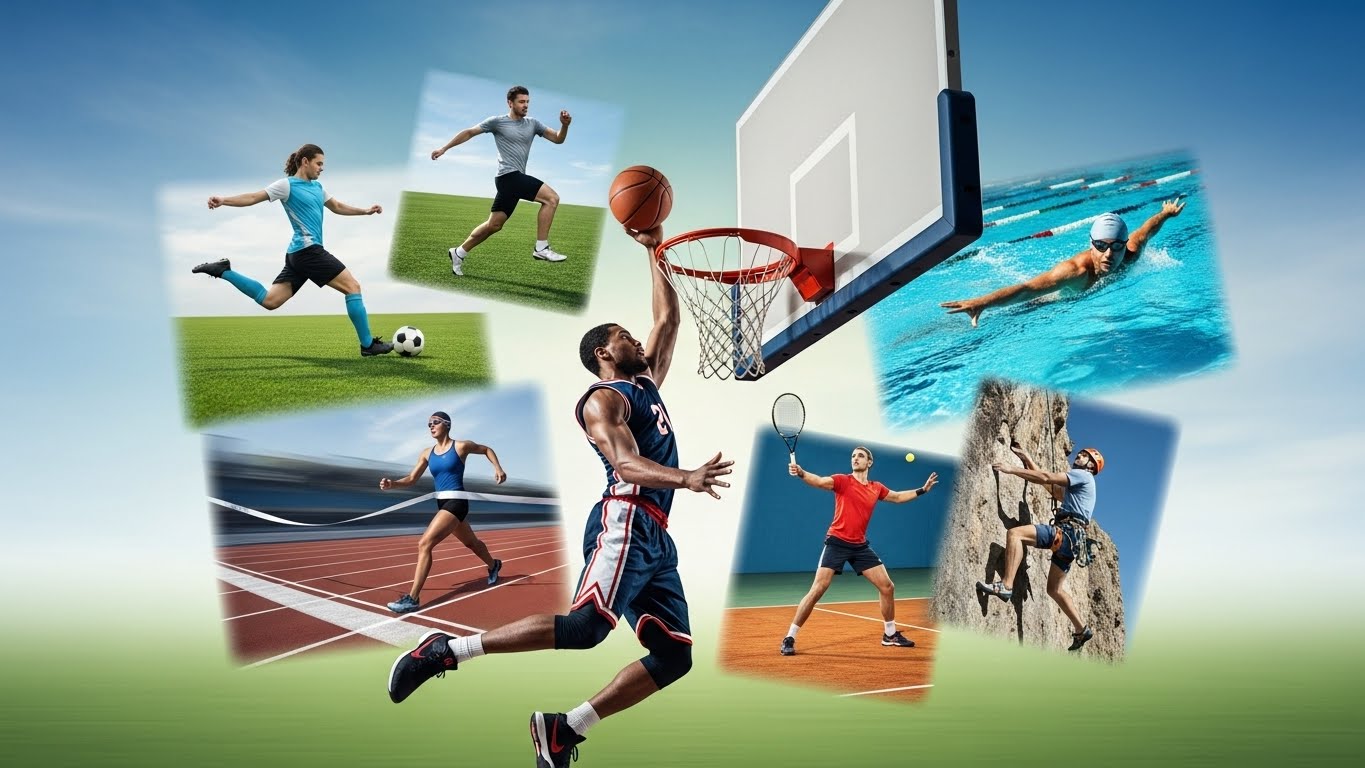
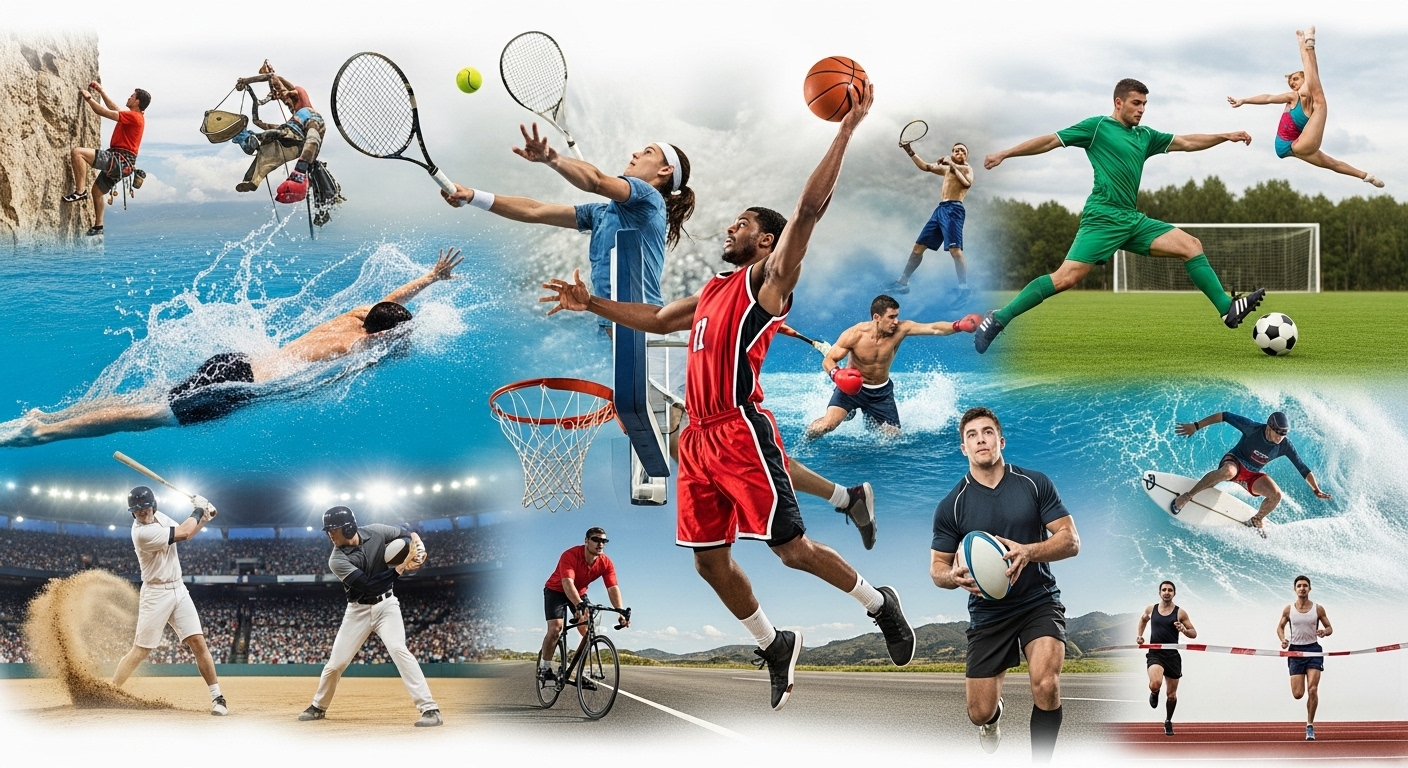
Sports are more than just competitions or pastimes—they are a universal language that transcends cultures, borders, and generations. From children playing in neighborhood streets to elite athletes competing on global stages, sports connect people through shared experiences, emotions, and values. They embody the essence of discipline, perseverance, teamwork, and passion. In every corner of the world, sports provide a sense of identity, belonging, and inspiration. This blog explores the multifaceted role of sports in society, examining their physical, mental, social, and cultural impact.
The Historical Journey of Sports
The origins of sports trace back thousands of years. Ancient civilizations engaged in physical contests as part of religious ceremonies, military training, or community celebration. The Greeks organized the first Olympic Games to honor the gods, emphasizing physical excellence, strategy, and competition. Similarly, in ancient China, India, and Africa, games and martial arts played a significant role in developing discipline, teamwork, and strategic thinking.
Over time, sports evolved from cultural rituals to organized competitions with standardized rules. Today, modern sports encompass a wide array of disciplines, from football, cricket, and basketball to swimming, athletics, and esports. Despite changes in rules, equipment, and audience reach, the essence of sports remains constant: testing limits, celebrating human achievement, and fostering community.
Physical Benefits: Strengthening Body and Health
Participation in sports has profound physical benefits. Regular engagement improves cardiovascular health, strengthens muscles and bones, enhances flexibility, and boosts endurance. Sports like running, swimming, and cycling promote aerobic fitness, while strength-based activities like weightlifting, wrestling, and gymnastics build muscle tone and overall body strength.
Sports also play a crucial role in preventing chronic diseases. Active individuals are less likely to develop conditions like obesity, diabetes, and heart disease. Physical activity supports immune function and aids in recovery from injuries or illnesses. Beyond the physiological advantages, sports help maintain energy levels, improve sleep patterns, and enhance overall vitality, making them essential for a balanced lifestyle.
Mental Benefits: Boosting Mind and Mood
The benefits of sports extend far beyond the physical realm. Mental health gains from sports are significant, as they reduce stress, anxiety, and depression while promoting emotional stability. Exercise releases endorphins, which act as natural mood enhancers, improving focus, confidence, and overall well-being.
Team sports, in particular, foster cognitive development and problem-solving skills. Players learn to strategize, anticipate opponents’ moves, and make quick decisions under pressure. Individual sports also cultivate self-awareness, mental discipline, and resilience. By balancing challenges and achievements, sports strengthen mental endurance and equip individuals with tools to navigate life’s obstacles.
Life Lessons from Sports: Building Character
Sports are one of the most effective avenues for teaching life lessons. Team sports encourage collaboration, communication, and mutual respect. Athletes must trust their teammates, support each other during victories and defeats, and celebrate collective effort over individual glory.
Discipline is another key lesson. Consistent training, strict adherence to rules, and focus on long-term goals instill responsibility and commitment. Sports also teach resilience—the ability to recover from losses, injuries, or failures. Winning is important, but learning to handle setbacks gracefully and continue striving defines true athletic and personal growth.
Leadership skills naturally develop through sports. Captains and team leaders learn to motivate others, manage conflicts, and inspire collective effort. These experiences shape future leaders capable of navigating both professional and personal challenges.
Social Impact: Sports as a Community Builder
Sports have an unparalleled ability to bring communities together. Local leagues, school competitions, and neighborhood tournaments foster social cohesion, shared pride, and civic engagement. Community sports events create opportunities for social interaction, teamwork, and mentorship, strengthening bonds across generations.
On a larger scale, sports stimulate economies by attracting tourism, generating employment, and supporting local businesses. National and international tournaments often lead to infrastructure development, including stadiums, transport networks, and public facilities, which benefit communities long after the events end.
Sports also serve as a platform for social change. Athletes increasingly use their visibility to raise awareness about societal issues such as inequality, environmental protection, and human rights. Their influence inspires conversations and action, demonstrating the potential of sports to transform societies.
Global Influence: Connecting Cultures Through Competition
Sports have the unique ability to bridge cultural divides. International competitions like the Olympics or World Cup showcase diversity while promoting mutual respect among nations. Athletes and fans experience different traditions, languages, and styles of play, creating cultural exchange and understanding.
Global sporting events foster unity even among people with differing political or social backgrounds. For a few hours, rivalries fade, and shared admiration for skill, strategy, and perseverance takes center stage. In this way, sports nurture diplomacy, cultural awareness, and global citizenship.
Women in Sports: Breaking Barriers
The role of women in sports has grown significantly over the decades. Female athletes continue to break barriers, set records, and inspire generations. Increased participation has challenged gender stereotypes, creating more opportunities for women in professional sports, leadership roles, and grassroots programs.
Support for women’s sports programs has positive ripple effects in education, health, and personal development. Girls involved in sports tend to exhibit higher confidence, leadership skills, and resilience. Celebrating women in sports encourages inclusivity, equality, and recognition of talent regardless of gender.
Technology and Sports: Revolutionizing Performance and Experience
Modern technology has transformed the way sports are played, watched, and analyzed. Performance analytics, wearable sensors, and smart equipment allow athletes to monitor fitness, prevent injuries, and refine techniques. Video analysis and virtual training platforms enhance skills and strategy development, making training more efficient and precise.
For fans, technology creates immersive experiences. Real-time statistics, augmented reality, and live streaming bring games closer to audiences, enabling engagement from anywhere in the world. Even stadiums are becoming smart, incorporating digital ticketing, fan interaction tools, and energy-efficient designs, ensuring sports remain sustainable and exciting for future generations.
Youth Sports: Shaping Future Leaders
Youth involvement in sports offers countless benefits. Children and adolescents who participate in sports develop physical fitness, social skills, and mental resilience. Team sports teach cooperation and conflict resolution, while individual sports foster focus, independence, and self-discipline.
Youth sports programs provide safe environments where children can explore their talents, make friends, and develop a sense of achievement. Encouraging young people to participate in sports also promotes healthy habits, reducing risks associated with sedentary lifestyles and poor lifestyle choices.
Sportsmanship: Playing with Integrity
Sportsmanship remains the foundation of all athletic endeavors. It encompasses respect for opponents, fair play, and ethical behavior. Winning with humility and losing with dignity are hallmarks of true sportsmanship, reflecting qualities that extend beyond sports into everyday life.
Athletes who exemplify sportsmanship inspire others to act ethically, cultivate empathy, and value cooperation over competition. This principle reinforces the idea that sports are not just about victory but also about character, respect, and shared enjoyment.
The Future of Sports: Innovation, Sustainability, and Inclusion
The future of sports is bright, driven by innovation and inclusivity. Emerging technologies will continue to redefine how athletes train, compete, and connect with fans. Sustainable practices, including eco-friendly stadiums and responsible event management, are increasingly shaping the sporting landscape.
Inclusivity is at the forefront, with greater opportunities for women, differently-abled athletes, and marginalized communities. Adaptive sports, esports, and mixed-gender competitions reflect a broader understanding of sports as a platform for all individuals.
Sports will continue evolving while maintaining their core purpose: inspiring excellence, fostering unity, and celebrating human potential.
Conclusion: The Enduring Influence of Sports
Sports are woven into the very fabric of human life. They promote physical fitness, mental strength, personal growth, and social cohesion. Beyond competition, sports teach resilience, integrity, teamwork, and leadership. They connect communities, bridge cultures, and inspire individuals to strive for excellence.
From the local playground to international arenas, sports remain a celebration of passion, perseverance, and human potential. They remind us that no matter our background, age, or abilities, we all share the capacity to compete, collaborate, and achieve greatness. Sports are not just games—they are a reflection of life itself, teaching lessons that endure far beyond the final whistle.