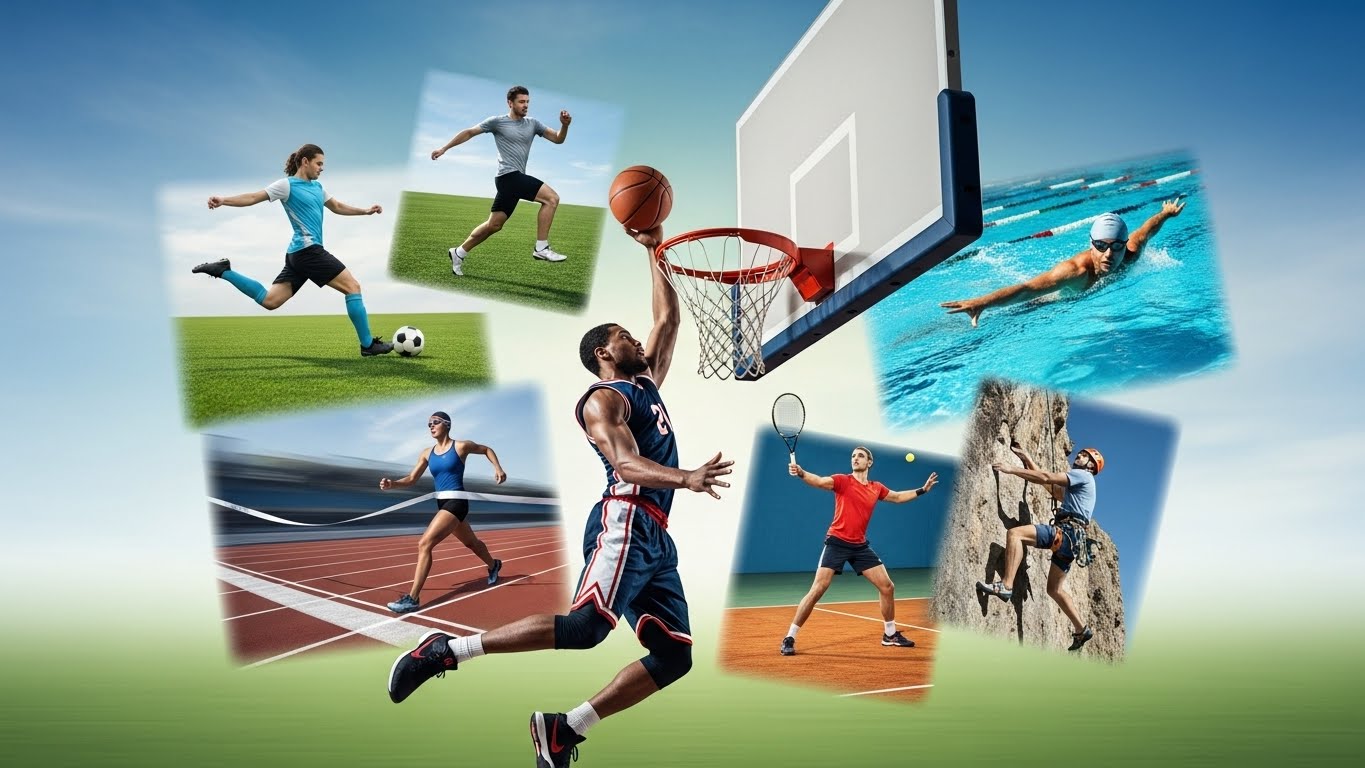
Sports are more than a competition, pastime, or source of entertainment. They are a reflection of human effort, a celebration of discipline, and a force that unites people across the world. From professional athletes who inspire millions to local games that bring communities together, sports have a profound impact on both individuals and society. Beyond the physical benefits, sports teach valuable life lessons, build character, and foster connections that extend far beyond the playing field. In this blog, we explore the multifaceted role of sports, their cultural influence, and how they continue to shape our lives in meaningful ways.
The Universal Language of Sports
Sports have the power to connect people regardless of language, culture, or background. A thrilling football match, a fast-paced basketball game, or an intense cricket tournament can create excitement and emotions that are universally understood. International events like the Olympic Games, the World Cup, and global championships serve as a platform for nations to showcase talent, perseverance, and teamwork while fostering mutual respect among countries.
This universal appeal lies not only in competition but also in shared human experience. People feel joy, tension, and pride when witnessing athletic achievements. Even individuals who are not directly involved in sports can relate to the excitement of victory or the disappointment of defeat. Sports provide a space where people come together, share emotions, and celebrate human potential.
Sports as a Tool for Personal Growth
Engaging in sports is one of the most effective ways to develop personal skills. Discipline, time management, goal-setting, and resilience are fundamental lessons that athletes learn through consistent practice and competition. The commitment required to excel in sports teaches individuals how to work hard, focus on objectives, and maintain perseverance in the face of challenges.
Sports also cultivate a growth mindset. Failures and setbacks, such as losing a game or missing a crucial point, become learning opportunities rather than reasons to quit. By overcoming obstacles, athletes build confidence and learn to approach challenges in other areas of life with determination and optimism. These lessons extend to academics, careers, and personal endeavors, making sports an invaluable contributor to personal development.
The Importance of Team Sports
Team sports, in particular, teach critical social and leadership skills. Collaborating toward a shared goal requires communication, trust, empathy, and cooperation. Players learn to recognize each other’s strengths, provide support during weaknesses, and celebrate collective achievements rather than focusing solely on individual success.
Participation in team sports fosters accountability, problem-solving abilities, and emotional intelligence. The relationships formed with teammates often extend beyond the game, creating lasting bonds and a sense of belonging. Team sports provide an environment where collaboration and mutual respect are prioritized, preparing individuals to navigate social dynamics in other aspects of life.
Physical Health Benefits of Sports
The physical advantages of sports are well-documented. Regular participation improves cardiovascular health, strengthens muscles, enhances flexibility, and promotes overall fitness. Sports also help prevent obesity, reduce the risk of chronic diseases, and encourage an active lifestyle that supports long-term well-being.
For children and adolescents, sports play a crucial role in developing motor skills, coordination, and body awareness. Early involvement in physical activity establishes habits that contribute to lifelong health. Even for adults, consistent participation in sports maintains vitality, energy, and functional fitness, making sports a cornerstone of physical wellness.
Mental and Emotional Benefits
Beyond physical fitness, sports provide essential mental and emotional benefits. Engaging in athletic activities reduces stress, improves mood, and enhances cognitive function. Sports teach concentration, strategic thinking, and decision-making skills that extend into daily life.
Emotional resilience is another key benefit. Athletes learn to handle pressure, cope with losses, and manage competitive stress. Celebrating small achievements and personal growth fosters self-esteem and a sense of accomplishment. In this way, sports contribute to mental health by providing a structured outlet for emotions, improving confidence, and promoting overall emotional stability.
Cultural Significance of Sports
Sports have a deep cultural impact. They shape societal norms, inspire creativity, and influence language, fashion, and entertainment. Legendary athletes often become icons, serving as role models whose dedication and achievements inspire future generations. Memorable moments in sports history leave lasting cultural legacies, becoming stories shared across generations.
Sports also serve as a reflection of societal values. Themes of teamwork, perseverance, fair play, and integrity are reinforced through athletic events. Communities celebrate victories and honor achievements, creating a shared sense of identity and belonging. The cultural significance of sports extends far beyond the field, influencing broader societal narratives and collective memory.
Economic Influence and Career Opportunities
The sports industry plays a substantial role in the global economy. Professional sports generate employment opportunities for athletes, coaches, referees, event organizers, marketing professionals, and media personnel. Major events boost tourism, attract sponsorships, and stimulate local businesses, creating revenue streams that benefit entire communities.
Sports also provide diverse career paths for aspiring athletes and professionals. Opportunities in coaching, sports medicine, physiotherapy, journalism, and sports management allow individuals to remain connected to their passion while contributing to the development of future talent. The economic impact of sports extends beyond entertainment, becoming a driving force for employment, innovation, and infrastructure development.
Inclusion and Accessibility in Sports
Modern sports emphasize inclusivity and accessibility. Initiatives promoting women’s sports, adaptive programs for individuals with disabilities, and grassroots efforts in underserved communities are reshaping the sports landscape.
Inclusive sports foster equality, empowerment, and confidence. They break barriers, challenge stereotypes, and provide opportunities for individuals to showcase their abilities regardless of gender, background, or physical condition. By promoting accessibility, sports continue to serve as a tool for social change, encouraging diversity and creating opportunities for everyone to participate.
Technological Advancements in Sports
Technology has transformed how sports are played, analyzed, and experienced. Wearable devices monitor performance, video-assisted refereeing ensures fairness, and data analytics help coaches and athletes optimize strategies.
For fans, technology enhances engagement. Live streaming, virtual reality experiences, and digital platforms allow global access to games and tournaments. Social media connects fans with athletes, teams, and communities, creating interactive and immersive experiences. Technology continues to expand the reach of sports, making them more engaging, informed, and inclusive.
Youth Sports and Grassroots Development
Investing in youth sports is essential for developing talent and fostering healthy lifestyles. Grassroots programs provide children and teenagers with opportunities to learn skills, gain confidence, and experience the joy of physical activity.
Participation in youth sports promotes social development, teamwork, and leadership skills. It instills discipline, resilience, and goal-oriented thinking from an early age. Grassroots initiatives also strengthen communities by offering safe spaces for young people to engage in constructive activities, reducing the likelihood of involvement in harmful behaviors and encouraging long-term personal growth.
Sports and Emotional Intelligence
Sports are a powerful tool for developing emotional intelligence. Athletes learn to manage stress, regulate emotions, and empathize with teammates and competitors. Understanding how to handle pressure, celebrate success, and cope with setbacks builds self-awareness and emotional maturity.
Emotional intelligence gained through sports extends to everyday life. Athletes often demonstrate strong communication, conflict resolution, and leadership skills. These abilities benefit professional, academic, and personal environments, proving that sports contribute to holistic personal development.
The Impact of Spectator Sports
Watching sports is a significant social activity that strengthens community bonds. Stadiums, arenas, and viewing gatherings create spaces where fans share excitement, celebrate victories, and experience collective emotions. Spectator sports provide opportunities for people to connect, establish traditions, and feel a sense of belonging.
The experience of cheering for a team or witnessing a historic moment fosters pride and camaraderie. Even individuals who do not play sports can derive enjoyment and social engagement from being part of a fan community. Spectator sports thus play a crucial role in connecting people and enhancing social cohesion.
The Future of Sports
The future of sports promises continued innovation and growth. Virtual reality, enhanced analytics, sustainable event management, and increased inclusivity are shaping the next generation of sports experiences. Athletes and organizations are using their platforms to promote social causes, advocate for mental health, and encourage environmental responsibility.
Globalization and technological advancements will expand sports’ reach, allowing more people to participate and engage with events worldwide. Despite changes in format or technology, the core values of sports—teamwork, perseverance, fair play, and passion—will continue to define their impact.
Conclusion: Celebrating the Essence of Sports
Sports are a powerful force that goes beyond physical activity or competition. They inspire personal growth, strengthen communities, and influence culture. Every match, race, and tournament carries stories of dedication, resilience, and achievement. These stories create memories, foster relationships, and teach lessons that extend into every aspect of life.
The true value of sports lies not only in winning or scoring points but in the journey, the effort, and the human connections forged along the way. Sports remind us of the joy of movement, the thrill of challenge, and the power of unity. They are a celebration of the human spirit, proving that their influence reaches far beyond the field, shaping lives and societies for generations to come.