Sports have long been a powerful force in human history. Whether it’s the thrill of competition, the joy of community, or the simple love of movement, sports have been a universal language that transcends borders, cultures, and social divides. From ancient Olympic games to modern-day mega-events like the World Cup or the Olympics, sports have always held a mirror to society, reflecting both the achievements and challenges of the human condition. But sports are much more than just games. They shape culture, foster communities, and offer lessons that extend far beyond the playing field. In this blog post, we will delve into the profound impact of sports on society, exploring how they unite people, promote health, and inspire individuals to strive for greatness.
The Power of Sports to Unite People
One of the most remarkable aspects of sports is their ability to bring people together, regardless of background, ethnicity, or language. Whether it’s cheering for a favorite team, supporting an individual athlete, or participating in a local recreational league, sports create a sense of belonging that unites people from all walks of life.
The concept of “team spirit” is often emphasized in sports, and for good reason. Teams, whether they’re made up of professional athletes or local amateurs, teach individuals how to work together toward a common goal. In a team setting, success is a shared experience, and failure is something to learn from and overcome collectively. This sense of camaraderie and unity carries over into the stands, where fans from different parts of the world can come together to cheer for a team or athlete they identify with.
Sporting events, especially international ones, have the ability to foster unity in ways that few other cultural phenomena can. The World Cup, the Olympics, and international competitions bring people from diverse nations together, often blurring political, social, and cultural divisions. Fans from opposite ends of the globe can share in the joy of a goal scored or the agony of a defeat, reminding us that, regardless of where we come from, we all share a love of competition and a desire for victory.
Sports as a Reflection of Society
Sports have always been a microcosm of society. They reflect our values, our aspirations, and, at times, our contradictions. Take, for example, the evolution of women’s sports. While women have always participated in sports, they have historically been marginalized or excluded from certain events. The inclusion of women in the Olympics, the rise of female athletes like Serena Williams, and the success of women’s soccer have been powerful markers of social progress, showing how sports can be a reflection of changing attitudes toward gender equality.
Similarly, sports have often served as a platform for addressing social issues. The famous protest by athletes like Muhammad Ali, Jackie Robinson, and Colin Kaepernick highlighted how sports can be a vehicle for raising awareness about civil rights and racial equality. These athletes used their platforms not only to compete at the highest level but to make powerful statements about social justice and the need for change.
In this sense, sports are not just entertainment; they are also a form of social commentary. Whether it’s the fight for gender equality, racial justice, or environmental sustainability, athletes and sports organizations have the ability to bring attention to important issues and inspire collective action.
The Health Benefits of Sports Participation
Beyond the cultural and social aspects, sports also offer numerous physical and mental health benefits. Engaging in physical activity through sports helps to improve cardiovascular health, build strength and endurance, and maintain a healthy weight. Regular exercise, as part of a structured sport or recreational activity, also helps to reduce the risk of chronic diseases such as diabetes, obesity, and hypertension.
Sports have an immense impact on mental health as well. Physical activity has been shown to release endorphins, chemicals in the brain that help to improve mood and reduce stress and anxiety. For many people, playing sports provides an outlet for emotional expression, a way to escape from everyday worries, and a means to connect with others in a meaningful way. The sense of accomplishment gained from learning new skills, overcoming challenges, or achieving personal bests can significantly boost self-esteem and confidence.
Participation in sports also promotes discipline, time management, and resilience—qualities that can translate into other aspects of life. Whether it’s sticking to a training schedule, bouncing back from a tough loss, or pushing through physical discomfort, sports teach individuals how to persevere in the face of adversity, a lesson that is invaluable in both personal and professional life.
Sports as a Career Path: The Rise of Professionalism
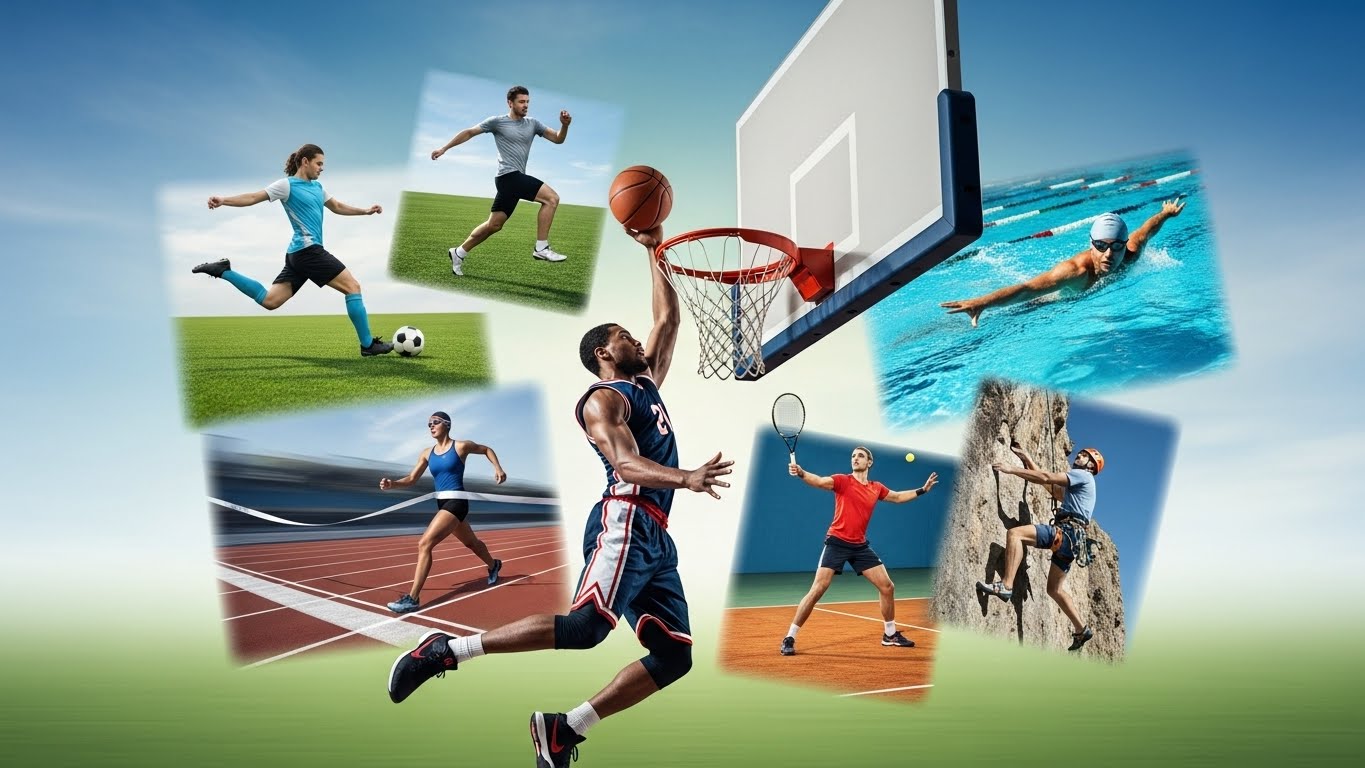
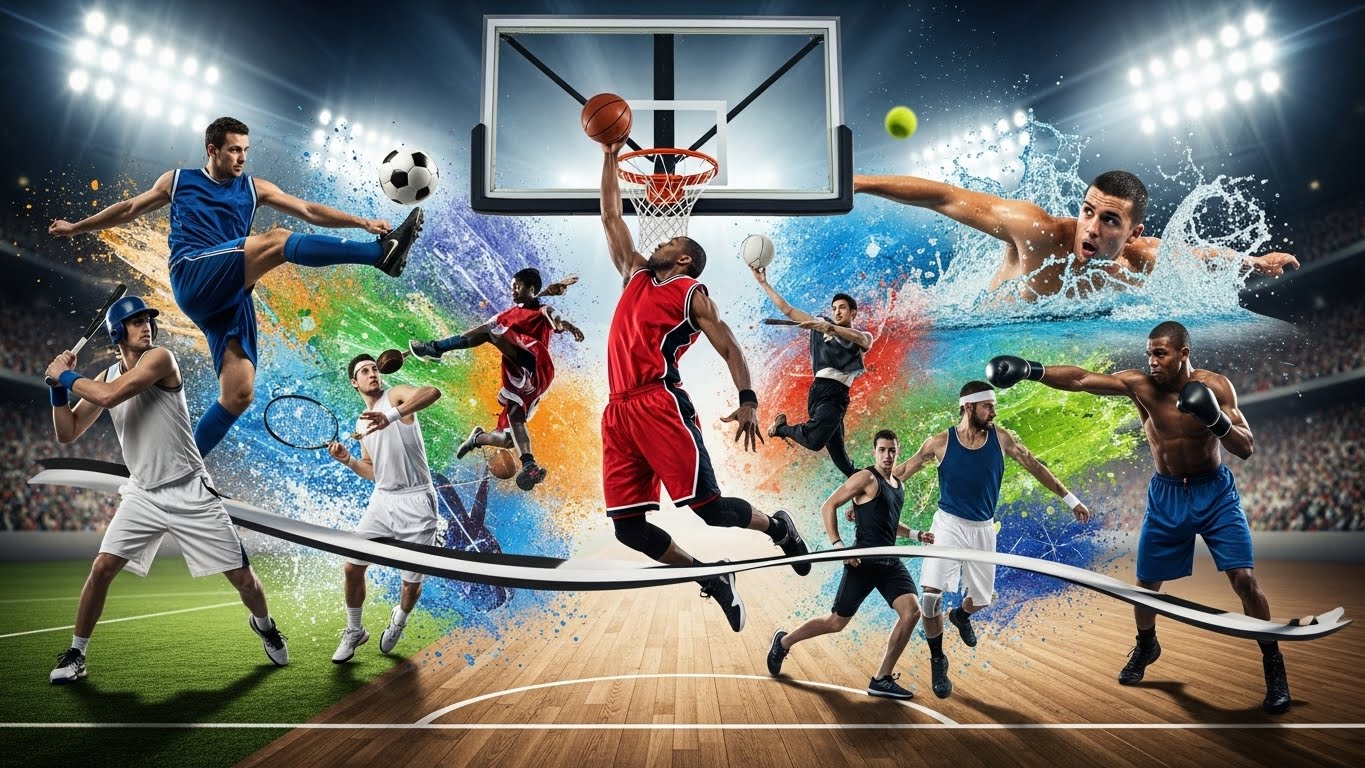
For some, sports go beyond recreation and health benefits. They become a way of life and a career. The rise of professional sports leagues around the world has created lucrative opportunities for athletes to turn their passion into a full-time profession. Sports like football, basketball, baseball, soccer, tennis, and boxing have become multi-billion-dollar industries, providing athletes with the chance to compete at the highest level while earning substantial salaries.
However, the path to becoming a professional athlete is not an easy one. It requires talent, dedication, and years of hard work. Aspiring athletes must undergo rigorous training, hone their skills, and often make personal sacrifices in pursuit of their goals. The pressure to perform at an elite level can be immense, but for those who succeed, the rewards are significant, both financially and in terms of personal achievement.
Beyond the athletes themselves, the rise of professional sports has also led to the growth of a vast support network. Coaches, trainers, agents, broadcasters, journalists, and even the teams’ behind-the-scenes staff play a crucial role in the success of professional sports. This ecosystem has created a variety of career opportunities within the sports industry, further highlighting how sports have become a vital component of modern economies.
The Role of Sports in Youth Development
For young people, sports offer an invaluable opportunity for personal growth and development. From learning the basics of physical coordination to developing social skills, sports play an essential role in shaping the lives of children and adolescents. Whether it’s through organized leagues, school teams, or informal pickup games in the neighborhood, sports provide a platform for young people to build confidence, make new friends, and learn important life lessons.
Team sports, in particular, teach valuable skills like teamwork, communication, and leadership. These skills not only benefit young athletes on the field but also prepare them for future success in other areas of life. Through sports, young people learn the importance of setting goals, working hard to achieve them, and handling both victory and defeat with grace.
Additionally, sports can help combat issues like childhood obesity and sedentary lifestyles, which have become increasingly prevalent in the modern world. Encouraging children to engage in physical activity through sports can foster a lifelong appreciation for health and wellness, setting them up for a healthy future.
The Cultural Significance of Major Sports Events
Certain sporting events transcend the games themselves, becoming cultural milestones that capture the attention of millions worldwide. The FIFA World Cup, the Olympic Games, the Super Bowl, and other major tournaments are not only about the competition; they are also about the shared experience of watching, celebrating, and living through these moments together.
These events provide an opportunity for nations to come together, often bringing attention to the host country’s culture, traditions, and people. For example, the opening ceremonies of the Olympics have become spectacles in their own right, showcasing the host nation’s artistic talents, history, and values. At the same time, these events create an opportunity for people from different backgrounds to unite and celebrate the universal appeal of sports.
The global scale of these events highlights the way sports serve as a bridge between cultures. Whether it’s cheering for a favorite athlete or simply appreciating the skill and athleticism on display, fans from all over the world come together to celebrate the beauty of sport.
The Future of Sports: Innovation and Technology
The future of sports is filled with exciting possibilities. Advances in technology are already starting to change the way we watch, play, and experience sports. Virtual reality (VR) and augmented reality (AR) are opening up new ways for fans to engage with their favorite sports, offering more immersive viewing experiences. Similarly, innovations in data analytics and performance tracking are helping athletes optimize their training and performance.
In the realm of fan engagement, social media platforms are playing an ever-larger role. Fans can now follow their favorite athletes and teams in real-time, interact with them directly, and participate in the global conversation surrounding sports. The integration of e-sports, or competitive video gaming, is also expanding the definition of sports, appealing to a younger demographic that grew up in a digital world.
Conclusion
Sports are far more than just games. They are a reflection of society, a tool for personal development, and a source of inspiration. Whether it’s bringing people together, offering a platform for social change, or providing a path to success, sports have the power to shape lives and communities in profound ways. As technology continues to evolve, and as new generations discover the joy of competition, sports will remain a central part of human culture. They offer a reminder that, despite our differences, we are all connected through the universal language of sport.