
Introduction: More Than Just a Game
Sports have been a fundamental part of human culture for centuries. From ancient Olympic competitions in Greece to modern international tournaments, sports have always been more than a pastime; they reflect society’s values, bring communities together, and inspire individuals to push beyond their limits. Whether played professionally, recreationally, or as a way to bond with friends and family, sports hold a unique place in our lives. They foster discipline, teamwork, resilience, and the pursuit of excellence, all while providing entertainment and excitement for millions around the world.
The History of Sports: From Ancient Traditions to Modern Competitions
The history of sports stretches back thousands of years. Ancient civilizations used athletic competitions not only as entertainment but also as demonstrations of strength, skill, and strategy. In Greece, the Olympic Games were held in honor of the gods and showcased events like running, wrestling, and discus throwing. Similarly, in ancient China and Egypt, various forms of physical contests and martial arts were popular. Over time, these early traditions evolved into structured sports with rules, governing bodies, and international competitions. Today, sports have transcended borders and become a global phenomenon that unites people from diverse cultures and backgrounds.
The Physical and Mental Benefits of Sports
Participating in sports provides numerous physical and mental health benefits. Regular physical activity strengthens muscles, improves cardiovascular health, and enhances flexibility and endurance. Beyond physical fitness, sports also play a critical role in mental well-being. They teach individuals how to manage stress, develop focus, and cope with pressure. Team sports, in particular, foster social skills and communication, helping players understand the value of collaboration and shared goals. Sports encourage discipline and perseverance, teaching lessons that extend far beyond the playing field.
Popular Sports Around the World
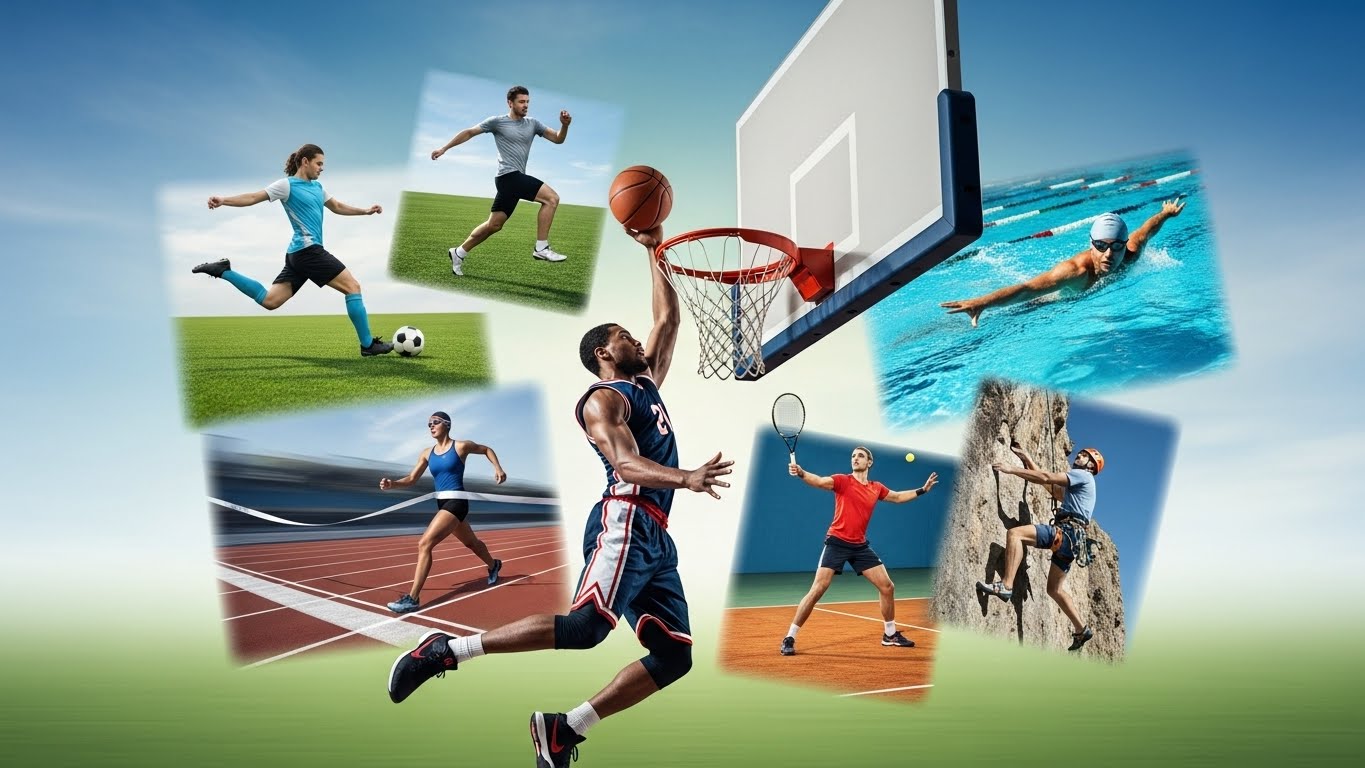
Sports encompass a wide range of activities, each with its own rules, cultures, and fan bases. Soccer, known as football in most countries, is arguably the world’s most popular sport, captivating billions with international tournaments like the World Cup. Basketball, cricket, tennis, and athletics also command large audiences and active participation globally. In addition to traditional sports, new forms of competition, such as extreme sports and adventure-based challenges, have gained popularity, reflecting the evolving interests and lifestyles of modern society. The variety of sports ensures there is something for everyone, regardless of age, ability, or interest.
The Role of Professional Athletes
Professional athletes are often seen as role models, exemplifying dedication, skill, and perseverance. These individuals spend countless hours training, analyzing performance, and pushing their bodies to the limits to compete at the highest level. Their achievements inspire fans, motivate young athletes, and bring attention to important social causes. Beyond performance, professional athletes often contribute to their communities through mentorship programs, charitable work, and advocacy. Their influence extends far beyond the game, shaping culture and inspiring generations.
Team Sports vs Individual Sports
Sports can broadly be divided into team and individual categories, each offering unique benefits and challenges. Team sports, such as soccer, basketball, and hockey, emphasize collaboration, communication, and collective strategy. They teach players how to work with others, adapt to different personalities, and pursue shared objectives. Individual sports, including tennis, gymnastics, and swimming, focus on personal skill development, self-discipline, and mental resilience. Both types of sports contribute to holistic development, allowing participants to grow physically, emotionally, and socially.
Sports as a Tool for Community Building
Sports have a remarkable ability to bring people together. Local clubs, school teams, and community leagues foster a sense of belonging and identity. Major sporting events create shared experiences that transcend cultural and social differences, encouraging dialogue and mutual respect. In many communities, sports programs provide youth with safe spaces to learn, grow, and develop life skills. By promoting inclusivity and collaboration, sports strengthen social cohesion and encourage positive interactions among individuals of all backgrounds.
Economic Impact of Sports
The sports industry is a powerful economic engine. It generates revenue through ticket sales, sponsorships, merchandise, broadcasting rights, and tourism. Major events like the Olympics, the FIFA World Cup, and professional leagues attract millions of spectators and stimulate local economies. Sports also create job opportunities in coaching, management, media production, and event organization. Beyond direct financial impact, the popularity of sports inspires businesses to invest in infrastructure, fitness programs, and community initiatives, further amplifying their economic and social influence.
Sports and Education
Sports play a significant role in education, offering opportunities for skill development, scholarship, and personal growth. Schools and universities integrate athletics into their curricula, emphasizing physical fitness, teamwork, and leadership. Student-athletes often learn time management, resilience, and goal-setting through their participation. Scholarships and competitive programs provide access to higher education for talented athletes, helping them achieve academic and professional success while pursuing their sporting dreams.
Challenges in Sports
Despite its many benefits, sports face several challenges. Injuries, overtraining, and burnout are common issues for athletes at all levels. Performance pressure, financial disparities, and lack of access to resources can limit opportunities for participation, particularly in underprivileged communities. Additionally, issues such as doping, corruption, and unfair competition pose threats to the integrity of sports. Addressing these challenges requires responsible governance, ethical practices, and ongoing education to ensure that sports remain fair, safe, and inclusive for all participants.
The Role of Media in Sports
Media has played a critical role in popularizing sports worldwide. Television, radio, and digital platforms allow fans to follow competitions, track player performance, and engage with sports content in real-time. Social media has further transformed the way fans interact with athletes, teams, and events, providing opportunities for direct engagement and community building. Through media coverage, sports achieve cultural relevance, reaching audiences that may never participate directly but still experience the excitement, drama, and inspiration of athletic competition.
Sports and Cultural Identity
Sports often serve as an expression of cultural identity and pride. National teams, traditional games, and regional competitions reflect the history, values, and heritage of communities. Victories in sports can evoke strong emotions, foster unity, and provide a sense of belonging. Cultural traditions, rituals, and celebrations around sports events highlight their significance beyond competition, turning athletic achievements into collective memories that shape national and regional identity.
The Future of Sports
The future of sports is likely to be shaped by technology, innovation, and social change. Wearable technology, data analytics, and virtual training methods are transforming how athletes prepare, compete, and recover. Evolving fan engagement strategies, such as virtual reality experiences and interactive broadcasts, are redefining spectatorship. Additionally, increasing awareness of inclusivity and diversity is expanding opportunities for women, differently-abled athletes, and underserved communities. As sports continue to evolve, they will remain a dynamic and influential force in society, offering inspiration, entertainment, and personal growth for generations to come.
Conclusion: The Enduring Power of Sports
Sports are far more than competitions or games. They are a reflection of human ambition, creativity, and resilience. Through physical challenges, mental fortitude, and social connections, sports teach lessons that extend well beyond the playing field. They inspire communities, fuel economies, and bring people together across cultures and generations. Whether as a professional pursuit, a recreational activity, or a shared experience, sports will continue to shape lives and societies, proving that the spirit of the game is as enduring as humanity itself.