
Introduction: More Than Just a Game
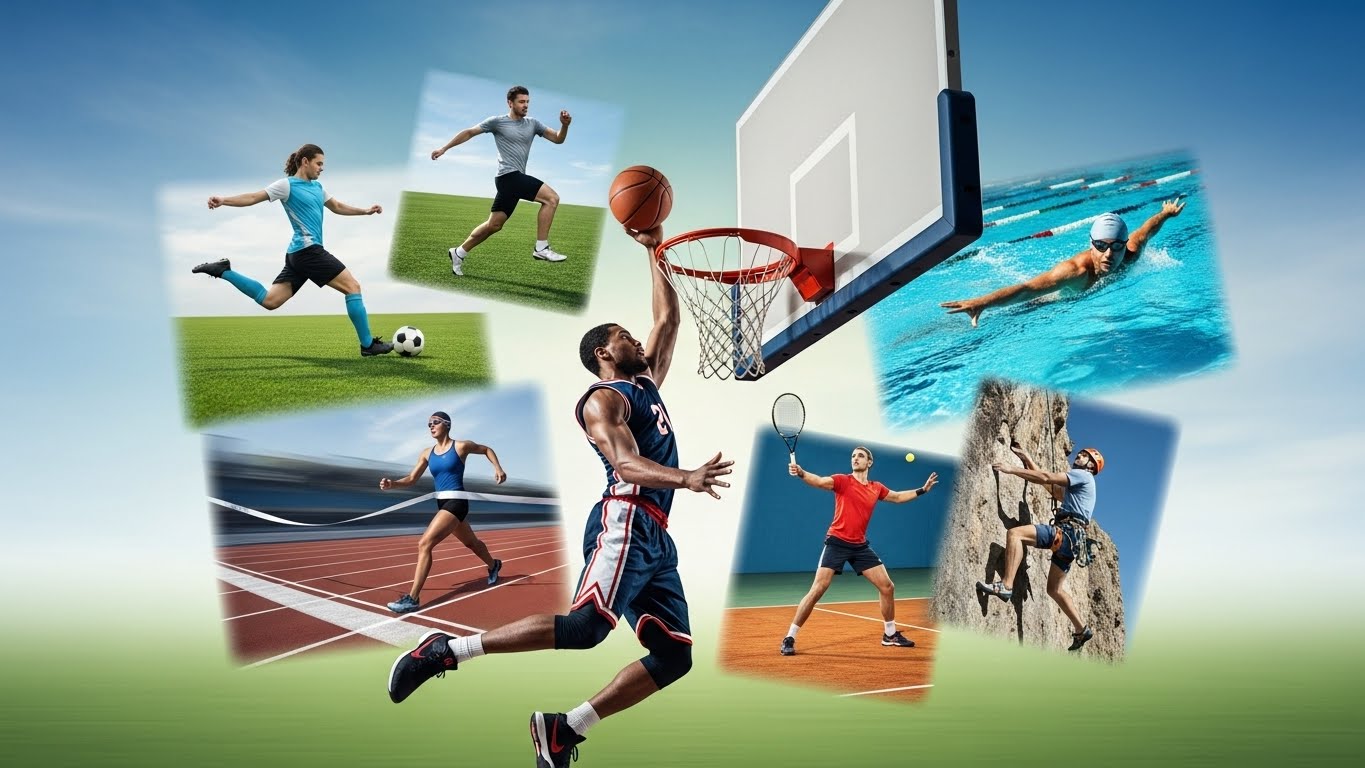
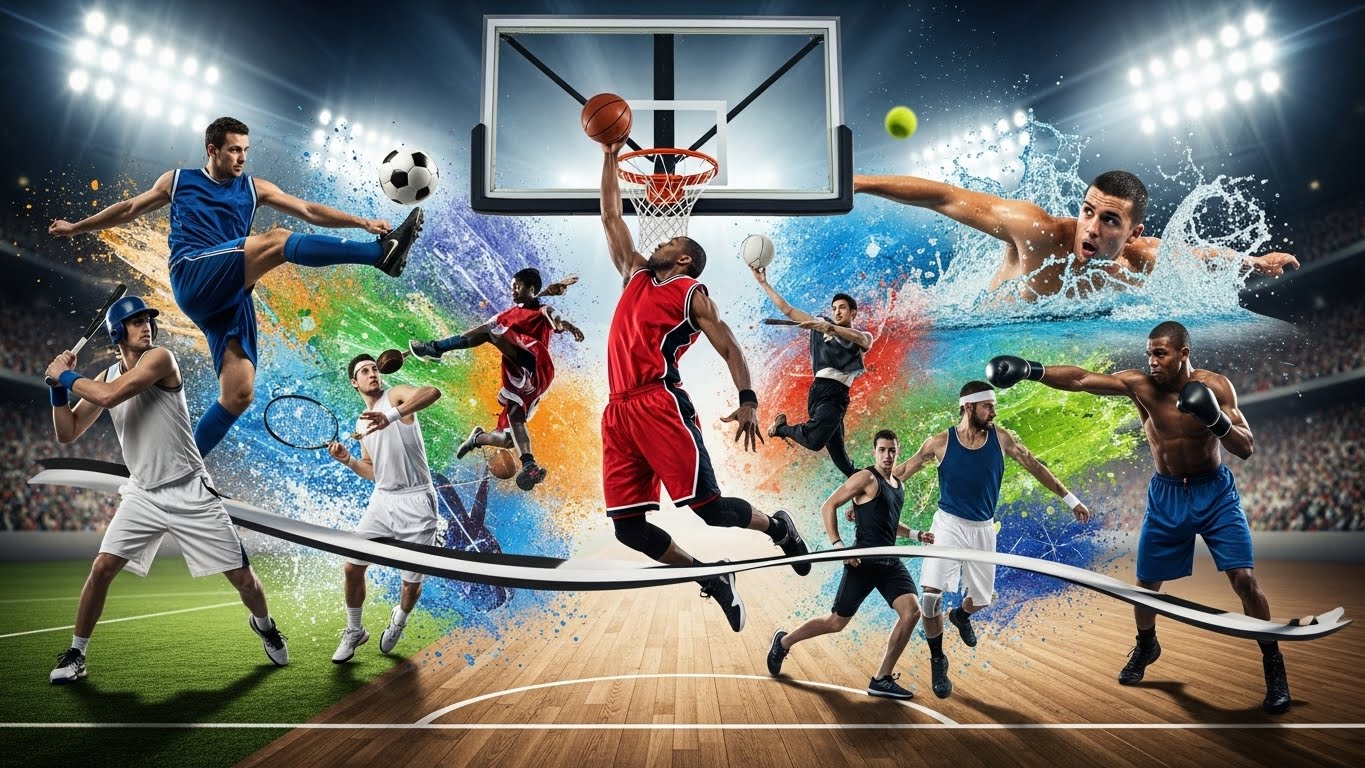
Sports have always been more than a contest of points, goals, or runs. From dusty village grounds to world-class stadiums filled with roaring fans, sports occupy a powerful place in human society. They inspire passion, discipline, unity, and resilience. Whether played professionally or casually, sports influence how people think, behave, and connect with one another. This blog explores how sports go far beyond entertainment and become a force that shapes character, culture, and the collective human spirit.
The Universal Language of Sports
One of the most remarkable qualities of sports is their ability to transcend boundaries. Language, nationality, religion, and social class often divide people, but sports create a shared understanding. A celebration after a goal, the silence before a crucial free throw, or the collective gasp at a near miss are emotions understood by everyone.
Across the world, children play with makeshift equipment, imagining themselves as heroes they have seen on screens or heard about from elders. These moments show that sports are not owned by any one culture. They belong to humanity as a whole, acting as a universal language that communicates effort, joy, disappointment, and hope without the need for words.
Sports and Character Development
Participation in sports plays a critical role in shaping individual character. From an early age, athletes learn the value of discipline and routine. Training sessions demand punctuality, focus, and consistent effort. Over time, these habits extend beyond the field and influence academic performance, work ethic, and personal responsibility.
Sports also teach the importance of handling failure. Every athlete, no matter how successful, faces defeat at some point. Learning to accept loss, analyze mistakes, and return stronger builds emotional resilience. This ability to recover from setbacks is one of the most valuable life skills sports can offer, preparing individuals to face challenges in all areas of life.
The Power of Teamwork and Leadership
Team sports, in particular, emphasize cooperation and trust. Success depends not on individual brilliance alone but on coordinated effort. Players learn to understand their roles, support teammates, and work toward a common objective. These lessons translate naturally into professional and social environments where collaboration is essential.
Leadership also emerges organically in sports. Captains and senior players are not just skilled performers but motivators and role models. They learn to lead by example, communicate effectively, and take responsibility during both victory and defeat. Such leadership qualities often remain with athletes long after their playing days are over.
Sports as a Cultural Mirror
Sports reflect the values and priorities of the societies in which they exist. Certain games become deeply connected to national identity, representing history, struggle, and pride. Sporting rivalries often mirror historical or regional tensions, while victories can become symbols of national achievement.
At the same time, sports have the power to challenge social norms. Athletes who break barriers related to race, gender, or economic background often become symbols of progress. Their journeys highlight broader social changes and inspire conversations about equality, opportunity, and inclusion.
The Emotional Connection Between Fans and Sports
The bond between fans and sports is deeply emotional. Supporters invest time, energy, and identity into their favorite teams and athletes. Wins bring joy and celebration, while losses can feel personal and painful. This emotional investment creates a sense of belonging, as fans become part of a larger community united by shared loyalty.
Sporting events also create lasting memories. Families bond over watching matches together, friends gather to celebrate victories, and entire cities come alive during major tournaments. These experiences strengthen social connections and create stories passed down through generations.
Sports and Mental Well-Being
Beyond physical fitness, sports play a significant role in mental health. Regular physical activity reduces stress, improves mood, and increases self-confidence. The structure provided by training and competition gives individuals a sense of purpose and direction.
For many, sports act as an emotional outlet. The intensity of play allows athletes to release frustration, anxiety, and tension in a healthy way. Even for spectators, watching sports can provide an escape from daily pressures, offering moments of excitement and emotional release.
The Economic and Social Impact of Sports
Sports also have a substantial impact on economies and communities. Professional leagues generate employment, tourism, and business opportunities. Major sporting events bring global attention to host cities, boosting infrastructure development and local industries.
At the grassroots level, sports programs help keep young people engaged and away from negative influences. Community sports initiatives promote social inclusion, encourage healthy lifestyles, and provide opportunities for personal growth. In many cases, sports become a pathway to education and social mobility for talented individuals from disadvantaged backgrounds.
The Role of Sportsmanship and Ethics
True sportsmanship lies at the heart of meaningful competition. Respect for opponents, officials, and the rules of the game defines the spirit of sports. While winning is important, how the game is played matters just as much.
Moments of fair play, such as helping an injured opponent or admitting a mistake, often leave a stronger impression than the final score. These actions remind audiences that integrity and respect are essential values, both in sports and in life. When athletes uphold these principles, they become role models whose influence extends far beyond the field.
The Future of Sports in a Changing World
As technology and society evolve, sports continue to adapt. Advances in training methods, performance analysis, and broadcasting have transformed how games are played and experienced. At the same time, conversations around athlete well-being, mental health, and fair competition are shaping a more balanced approach to sports.
The future of sports will likely place greater emphasis on inclusivity and sustainability. Efforts to promote women’s sports, adaptive sports, and environmentally responsible events reflect a growing awareness of social responsibility. These changes ensure that sports remain relevant and meaningful for future generations.
Conclusion: The Enduring Spirit of Sports
Sports endure because they speak to something fundamental within the human spirit. They celebrate effort, resilience, and the pursuit of excellence. They bring people together in moments of joy and heartbreak, teaching lessons that extend far beyond the playing field.
Whether as participants or spectators, people find meaning in sports because they reflect life itself. There are victories to cherish, losses to endure, and constant opportunities to grow. In this way, sports are not just games played for entertainment. They are powerful expressions of who we are, what we value, and how we strive to become better, both individually and as a society.