
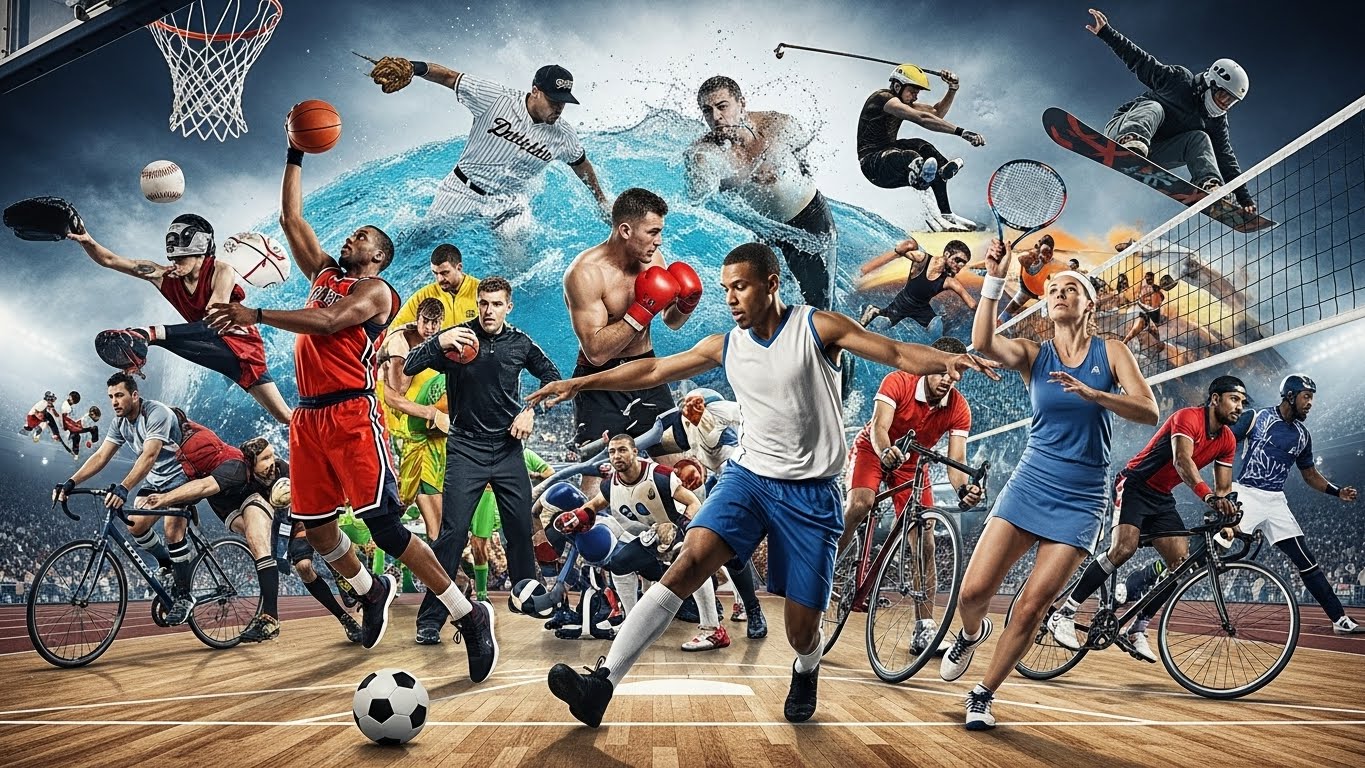
Sports have always been an integral part of human civilization. From ancient times to the modern era, they have served as a source of entertainment, personal growth, and societal unity. While often perceived merely as physical activities or competitions, sports have a far deeper impact, influencing culture, health, social relationships, and even global economics. In this blog, we explore the multifaceted world of sports and examine why they hold such a prominent place in human life.
The Historical Significance of Sports
The roots of sports can be traced back thousands of years. Ancient civilizations, including Greece, Rome, and China, organized games not only for entertainment but also as rituals, training exercises, and demonstrations of skill. The Olympic Games, which began in ancient Greece in 776 BC, exemplified the celebration of human ability, teamwork, and excellence.
Sports have always reflected societal values. In many cultures, athletic competitions were symbolic of courage, honor, and strategy. Over time, organized sports evolved into a universal language that crosses boundaries of race, religion, and nationality. Today, they continue to act as a mirror of society, highlighting issues like gender equality, teamwork, and fair play.
Physical and Mental Benefits of Sports
One of the most direct impacts of sports is on physical health. Regular engagement in physical activities strengthens muscles, improves cardiovascular health, enhances flexibility, and supports overall fitness. Beyond physical benefits, sports are crucial for mental health. They provide a natural outlet for stress, anxiety, and tension while promoting focus, discipline, and emotional resilience.
Participation in sports can develop critical life skills. Athletes often learn perseverance, patience, and time management. Team sports cultivate communication and leadership abilities, as players must coordinate, motivate, and adapt to achieve common goals. Even recreational sports can improve cognitive function and self-esteem, demonstrating that the benefits of sports extend well beyond the playing field.
Character Building Through Sports
Sports are more than just games; they are life lessons in action. Every athlete experiences victories and defeats, which teach humility, determination, and the importance of hard work. Learning to handle success with grace and failure with resilience is a valuable skill that applies to all areas of life.
Children and teenagers who engage in sports develop habits and qualities that prepare them for adulthood. Discipline, commitment, and ethical behavior often translate from sports into academic and personal life. Sports instill a mindset that challenges individuals to strive for excellence while respecting others, emphasizing that true success is measured by effort and integrity.
The Social Impact of Sports
Sports have an unparalleled ability to bring people together. Major tournaments such as the FIFA World Cup, the Olympics, and international cricket matches create moments of collective excitement and national pride. Fans gather to celebrate victories, mourn defeats, and share the experience of the game.
Sports also strengthen local communities. School leagues, neighborhood tournaments, and recreational clubs foster relationships and provide opportunities for social interaction. They can bridge generational and cultural gaps, creating a sense of belonging and shared identity. Even in difficult times, sports can act as a unifying force, offering hope, distraction, and solidarity.
The Economic Influence of Sports
Beyond social and emotional impact, sports significantly contribute to the global economy. Professional leagues, international tournaments, sports broadcasting, and merchandising generate billions of dollars annually. Stadiums, sports academies, and infrastructure projects create jobs and stimulate local economies.
Athletes, coaches, and support staff form a professional ecosystem whose livelihoods depend on sports. Additionally, events such as world championships attract tourism, sponsorships, and investment. Even small-scale sports initiatives can boost economic activity, demonstrating that sports are both a cultural and financial driver.
Technological Advancements and Modern Sports
Technology has dramatically transformed sports. High-tech equipment, wearable fitness trackers, and virtual training systems help athletes optimize performance while minimizing injuries. Video analysis allows for precise evaluation of techniques, while data-driven strategies have become essential in professional competitions.
For spectators, technology has enhanced the experience as well. High-definition broadcasts, multiple camera angles, and live updates allow fans to follow games in real-time from anywhere in the world. Social media enables instant interaction between athletes and supporters, creating communities around teams and events. These innovations ensure that sports remain engaging, accessible, and continuously evolving.
The Role of Women in Sports
The participation and recognition of women in sports have grown exponentially over the past century. Female athletes now compete at the highest levels, breaking records and redefining what is possible in every field. Their achievements have inspired countless young girls to pursue athletics and pursue excellence in other areas of life.
Women in sports also challenge societal norms and encourage gender equality. Their visibility promotes representation and motivates organizations to provide equal opportunities in funding, training, and recognition. As barriers continue to fall, the impact of women in sports will expand further, inspiring future generations.
Sports as a Platform for Social Change
Sports have historically been a catalyst for social transformation. Athletes have used their platforms to address social injustices, advocate for equality, and promote environmental awareness. Iconic moments, such as symbolic gestures during competitions or campaigns led by sports personalities, demonstrate that the influence of sports extends beyond the field.
Grassroots initiatives, which provide access to sports for underprivileged youth, also contribute to social development. These programs build confidence, teamwork, and discipline while creating opportunities for education and personal growth. Sports, therefore, serve as both a mirror of society and a tool for progress.
Globalization of Sports
Sports have become a global phenomenon. Leagues, tournaments, and international events attract audiences across continents, creating shared experiences and cultural exchanges. Athletes from different countries learn from diverse strategies, training methods, and traditions, enhancing their skills and enriching the game itself.
Fans worldwide celebrate teams and players beyond their local or national borders, creating a global sporting community. This globalization has elevated sports to a form of soft diplomacy, where mutual respect and admiration transcend political or cultural differences.
Emerging Trends and the Future of Sports
The future of sports promises innovation, inclusivity, and increased engagement. Emerging technologies like virtual reality, augmented reality, and artificial intelligence are reshaping training, performance analysis, and fan interaction. Esports has risen from niche entertainment to a professional, widely-followed global industry, reflecting the evolving definition of sports.
Inclusivity is also becoming a key focus. Adaptive sports for athletes with disabilities and initiatives promoting gender equality ensure that opportunities in sports are accessible to all. The next generation of athletes will benefit from more resources, greater recognition, and broader platforms to inspire others.
Conclusion: Sports as a Lifelong Influence
Sports are far more than competitions or physical exercises; they are a reflection of human ambition, discipline, and unity. They influence physical and mental well-being, build character, foster community, and drive social and economic development. Participation in sports, whether professionally or recreationally, leaves lasting impressions on individuals and society.
Ultimately, sports remind us of the value of effort, teamwork, and perseverance. They unite people across differences, inspire future generations, and encourage us to push beyond limits. The power of sports lies in their universality—an ability to touch lives, cultivate excellence, and create lasting connections that extend far beyond the final whistle.