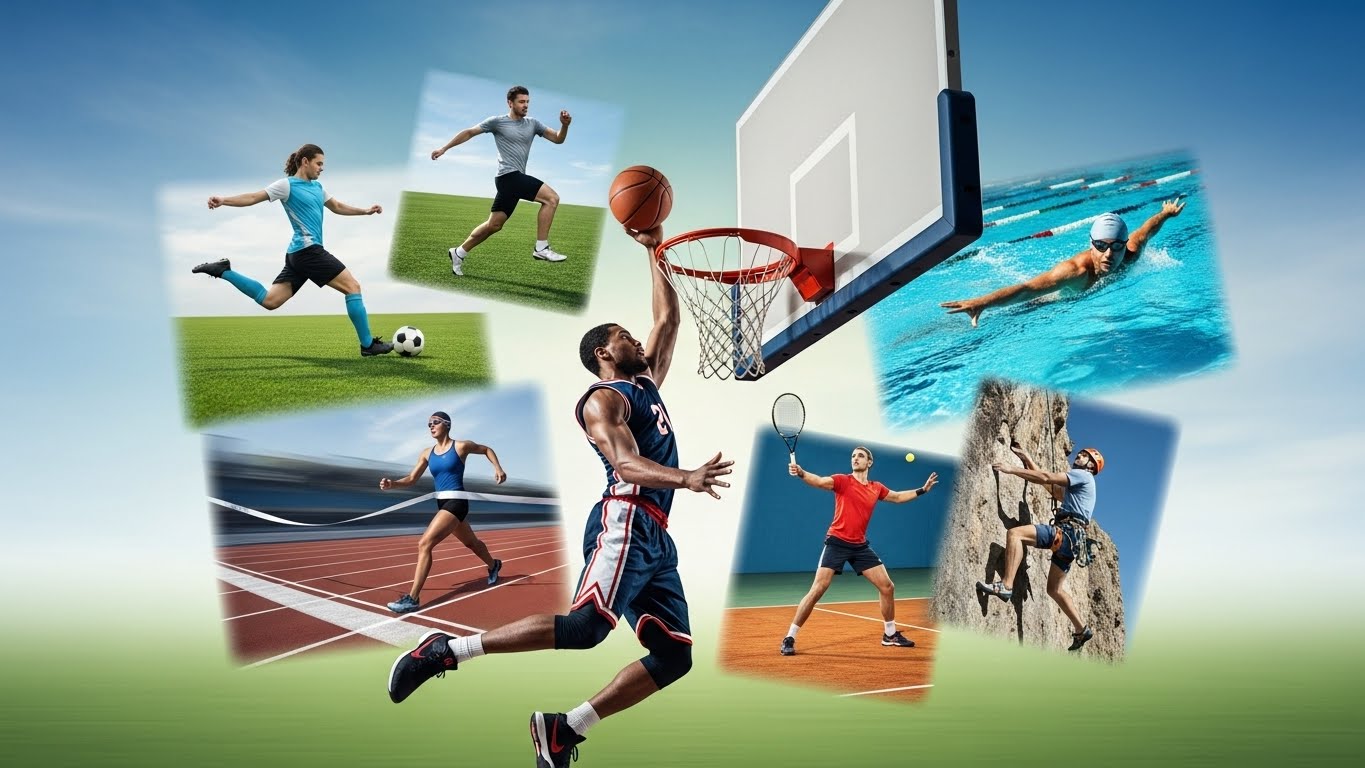
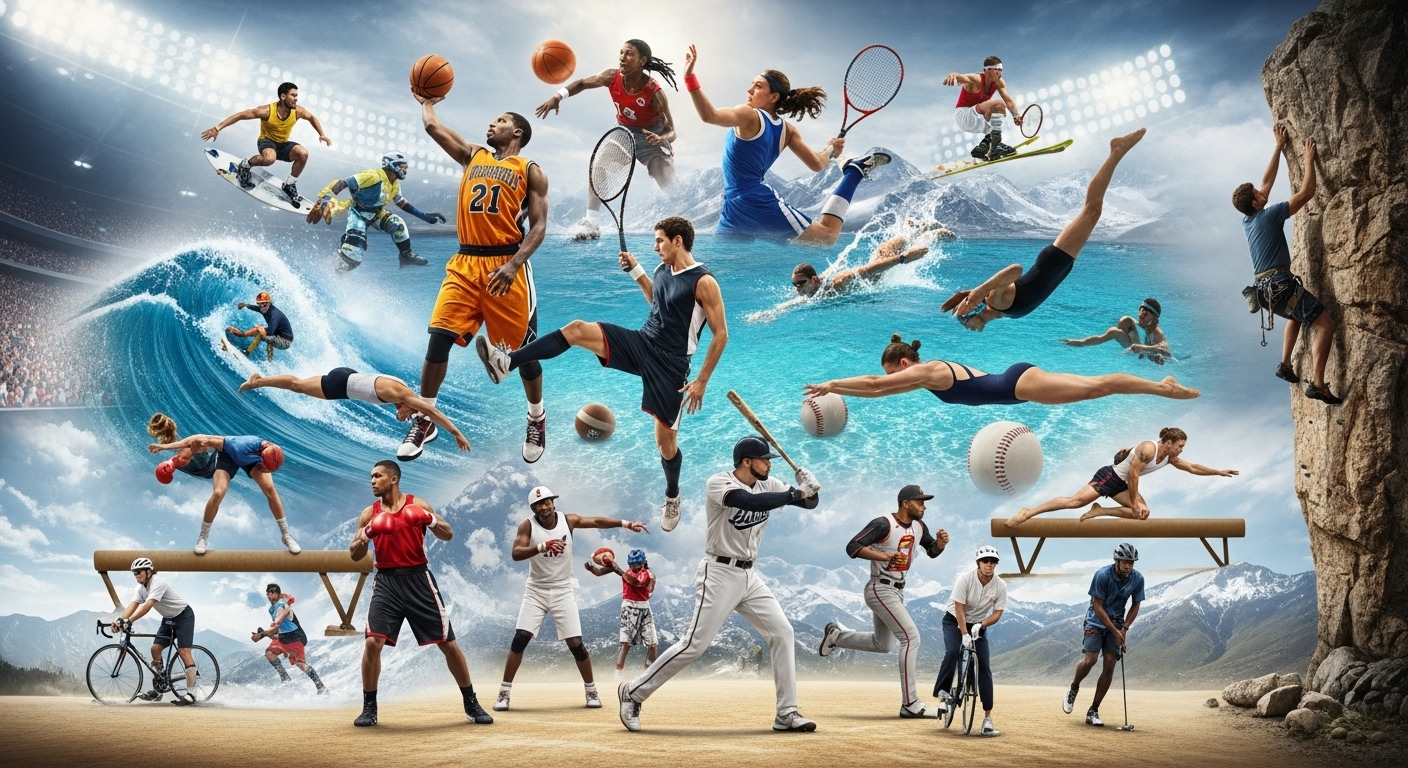
Sports have been an integral part of human civilization since time immemorial. They embody the spirit of competition, the pursuit of excellence, and the joy of physical activity. Across the globe, sports transcend borders, languages, and cultures, uniting people through shared passion and common goals. This blog explores the multifaceted world of sports, their historical roots, the evolution of athletic competition, the impact on society, and the future of global sporting culture.
The Origins of Sports
Human beings have engaged in physical competition for thousands of years. From prehistoric hunting and combat practices to organized games in ancient civilizations, sports have always been a means of testing physical prowess, endurance, and strategy. Ancient Egypt, Mesopotamia, and Greece witnessed the emergence of structured competitions, often tied to religious and social rituals.
In Ancient Greece, for example, the Olympic Games were established in 776 BCE as a celebration of both athletic excellence and divine honor. Competitors from various city-states gathered to test their strength, speed, and skill in events such as running, wrestling, discus throwing, and chariot racing. The Olympics were more than just a physical contest; they represented unity, civic pride, and the pursuit of personal excellence.
Meanwhile, in ancient China, martial arts and archery competitions served dual purposes: self-defense training and entertainment for the elite. Similarly, indigenous peoples across Africa and the Americas developed unique games that reflected their environments, survival skills, and cultural traditions. Sports, therefore, have always been deeply intertwined with societal needs and cultural identity.
The Evolution of Modern Sports
The Industrial Revolution brought profound changes to society, including the realm of sports. Urbanization, increased leisure time, and technological advancements enabled the development of organized sports leagues, standardized rules, and professional competitions. Modern sports, as we know them today, emerged primarily in the 19th century in Europe and North America.
Football, cricket, tennis, and rugby became codified with formal rules and structured competitions. Football, in particular, evolved from informal village games to organized clubs and eventually international tournaments. The formation of governing bodies, such as FIFA for football and the International Cricket Council, ensured the global growth and regulation of sports.
The 20th century saw the professionalization of sports reach new heights. Athletes became global icons, with their performances inspiring millions of fans worldwide. Major sporting events like the FIFA World Cup, the Olympic Games, and the Super Bowl captured the imagination of entire nations. Sports became not only a form of entertainment but also a significant economic and cultural force.
The Physical and Mental Benefits of Sports
Engaging in sports offers countless physical and psychological benefits. Physically, sports improve cardiovascular health, strength, flexibility, and coordination. Regular participation reduces the risk of chronic illnesses such as obesity, diabetes, and heart disease. Beyond fitness, sports teach essential life skills such as discipline, perseverance, teamwork, and strategic thinking.
Mentally, sports serve as a powerful tool for stress relief and emotional well-being. The release of endorphins during exercise contributes to happiness and mental resilience. Athletes often develop strong focus, time management skills, and the ability to perform under pressure. Moreover, sports foster social interaction, creating bonds between teammates and connecting communities through shared experiences.
Participation in sports from a young age has been linked to academic success and character development. Children learn to handle victories and defeats, understand fair play, and cultivate self-confidence. These lessons extend beyond the field, shaping individuals into well-rounded members of society.
Popular Sports Around the World
Different regions of the world have cultivated unique sporting traditions, reflecting their cultures, climate, and societal interests. Football, or soccer, dominates in Europe, South America, and parts of Africa, celebrated for its universal appeal and accessibility. Cricket enjoys immense popularity in South Asia, Australia, and England, with international tournaments drawing massive viewership.
Basketball, originating in the United States, has grown into a global phenomenon, blending athleticism with entertainment. Tennis, athletics, and swimming have long been staples of the Olympic Games, showcasing individual skill and endurance. Other sports like rugby, ice hockey, and martial arts enjoy devoted followings, contributing to a rich tapestry of global athletic competition.
Extreme sports, adventure sports, and eSports have also gained prominence in recent decades. Activities such as rock climbing, snowboarding, skateboarding, and competitive gaming appeal to younger generations seeking excitement, innovation, and the challenge of pushing boundaries. This diversification highlights the evolving nature of sports and their ability to adapt to changing societal trends.
Sports and Cultural Identity
Sports are more than physical contests; they are deeply embedded in cultural identity and national pride. Successful athletes often become symbols of hope and inspiration for entire nations. Major sporting events serve as platforms for cultural exchange, diplomacy, and international collaboration.
For example, the FIFA World Cup and the Olympic Games bring together nations from every continent, promoting unity and fostering mutual respect. Local sports traditions, such as sumo wrestling in Japan or bullfighting in Spain, celebrate regional heritage and historical significance. Sports allow communities to express collective identity, values, and aspirations.
Moreover, sports have historically played a role in social movements and activism. Athletes have used their platforms to advocate for civil rights, gender equality, and social justice. Their influence extends beyond the playing field, demonstrating the power of sports to effect societal change.
Women in Sports
Historically, women faced significant barriers to participating in competitive sports. Social norms, limited access to training, and unequal recognition prevented many female athletes from reaching their potential. However, over the past century, women’s sports have achieved remarkable progress.
Women now compete at the highest levels in football, tennis, athletics, basketball, and countless other disciplines. Icons such as Serena Williams, Mia Hamm, and Simone Biles have inspired generations of girls to pursue athletic excellence. International events like the FIFA Women’s World Cup and the Women’s Olympic Games have elevated the visibility and legitimacy of women’s sports globally.
Despite progress, challenges remain. Issues such as unequal pay, limited media coverage, and insufficient sponsorship continue to affect female athletes. Addressing these disparities is essential for promoting fairness and inclusivity in the sporting world.
The Economic Impact of Sports
Sports have evolved into a multi-billion-dollar industry, influencing economies at both local and global levels. Professional leagues, tournaments, and sporting events generate significant revenue through ticket sales, sponsorships, broadcasting rights, and merchandise. Cities hosting major events, such as the Olympics or World Cup, experience boosts in tourism, infrastructure development, and employment opportunities.
Athletes themselves often achieve substantial financial success through contracts, endorsements, and brand partnerships. The commercialization of sports has also spurred innovation in technology, fitness equipment, and sportswear, contributing to economic growth and consumer engagement.
However, the financial dimension of sports is not without challenges. Excessive commercialization can lead to inequities, overshadow grassroots development, and create pressures that compromise athlete well-being. Balancing economic interests with the integrity and accessibility of sports remains an ongoing concern.
Technology and Innovation in Sports
Advancements in technology have transformed the way sports are played, viewed, and analyzed. Video replay systems, wearable devices, and performance analytics enhance athlete training, strategy, and injury prevention. Fans can experience immersive viewing through virtual reality, live streaming, and interactive platforms.
Data-driven insights help coaches optimize tactics, monitor player health, and maximize performance. Sports science has revolutionized training methodologies, recovery protocols, and nutritional strategies. Innovations in equipment design, from lightweight footwear to aerodynamic bicycles, have redefined athletic potential.
Technology also facilitates global connectivity, allowing fans to follow teams and athletes across borders. Social media platforms provide unprecedented access to behind-the-scenes content, athlete perspectives, and community engagement. This fusion of sports and technology continues to redefine the modern athletic experience.
Sportsmanship and Ethics
Central to the spirit of sports is sportsmanship, the adherence to ethical conduct and respect for competitors. Fair play, honesty, and humility are fundamental values that underpin athletic competition. Sports teach individuals to compete fiercely yet honorably, celebrating success while acknowledging the efforts of others.
Ethical considerations also extend to issues such as doping, match-fixing, and corruption. Maintaining integrity in sports requires vigilance, regulation, and education. Organizations, athletes, and fans share the responsibility of upholding these standards, ensuring that sports remain a positive and inspiring force in society.
The Future of Sports
The future of sports promises innovation, inclusivity, and global engagement. Emerging trends such as virtual sports, sustainable event management, and adaptive sports for individuals with disabilities are reshaping the landscape. Inclusivity initiatives aim to remove barriers, offering opportunities for people of all abilities, genders, and backgrounds to participate.
Globalization, technology, and evolving fan culture will continue to influence sports. New formats, hybrid competitions, and interactive experiences will redefine how athletes and audiences connect. While challenges such as commercialization pressures and ethical dilemmas persist, the core essence of sports—competition, passion, and human achievement—will endure.
Sports remain a mirror of humanity’s aspirations, resilience, and creativity. They celebrate physical and mental excellence, foster community, and inspire generations to push boundaries. Whether played on a local field, a grand stadium, or in a virtual arena, sports capture the timeless spirit of challenge, camaraderie, and joy.
Conclusion
Sports are more than games—they are a universal language that unites people, shapes culture, and nurtures the human spirit. From ancient competitions to modern professional leagues, sports have evolved alongside civilization, reflecting societal values and ambitions. They cultivate physical health, mental strength, teamwork, and ethical conduct, making them indispensable to personal and communal growth.
As the world continues to change, sports will adapt, innovate, and inspire. They will remain a powerful testament to human determination, creativity, and connection. Every match, race, or tournament is a celebration of perseverance, skill, and passion—a reminder that sports are not merely entertainment but a profound expression of human potential.