
Introduction: The Universal Language of Sports
Sports have always played an essential role in human history. They are not just physical activities; they are cultural touchstones, uniting people across nations, cultures, and generations. From the exhilarating rush of a game-winning goal to the quiet determination of an athlete pushing past their limits, sports have an undeniable power to shape individuals, communities, and even entire societies. Whether it’s the global spectacle of the Olympics or the local thrill of a neighborhood match, sports influence our values, bring us together, and provide a platform for change.
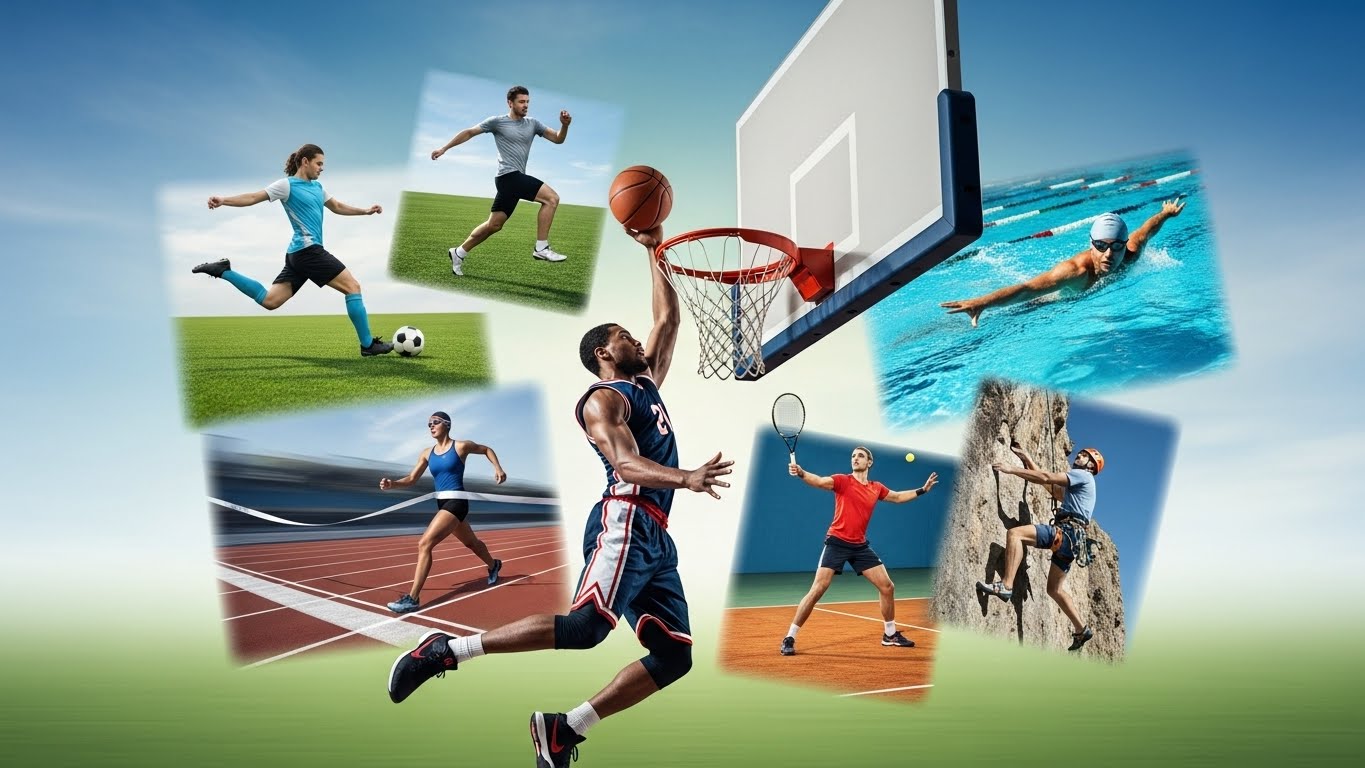
The world of sports is vast, encompassing a wide range of disciplines, each with its own rich history and passionate following. But what makes sports truly significant is not just the competition or the entertainment value — it’s how they bring people together, challenge norms, and promote ideals such as teamwork, perseverance, and resilience.
The Evolution of Sports: From Ancient Times to the Modern Era
The origins of sports can be traced back to ancient civilizations. In Ancient Greece, the Olympic Games were first held in 776 BCE, setting the stage for what would become a worldwide tradition of athletic competition. These early games were not just about physical prowess but also about honoring gods, celebrating human achievement, and promoting peace among warring states.
Over time, sports spread to other parts of the world, taking on various forms according to the needs and cultures of different societies. The Romans created gladiatorial contests, while medieval Europe witnessed the rise of tournaments like jousting. In Asia, martial arts such as judo, kung fu, and sumo wrestling became an integral part of cultural identity.
As the centuries passed, sports became more formalized. The establishment of modern sports leagues, teams, and governing bodies in the 19th and 20th centuries marked the transition from informal competitions to the organized, professional systems we see today. From the rise of football (soccer) in England to the creation of basketball in the United States, sports evolved into a significant part of modern entertainment and culture.
The Role of Sports in Shaping Individual Character
At its core, sports are about more than just winning or losing; they are about personal growth and development. Whether you’re a professional athlete or a casual participant, the lessons learned through sports are invaluable.
Discipline and Hard Work
One of the most important qualities that sports teach is discipline. Success in any sport requires hours of practice, self-motivation, and the ability to stay focused even when faced with adversity. For athletes, every drill, every repetition, and every training session is an opportunity to improve. This dedication often extends beyond the playing field, influencing how athletes approach other areas of life, including education, career, and relationships.
Resilience and Overcoming Adversity
Sports also instill resilience. Athletes learn to cope with failure, overcome setbacks, and bounce back from defeat. Injuries, losses, and poor performances are part of every athlete’s journey, but what sets successful athletes apart is their ability to persevere through challenges. These experiences teach valuable life skills, such as handling pressure, embracing failure as a learning opportunity, and staying committed to long-term goals.
Teamwork and Collaboration
Even individual sports, such as tennis or athletics, require a sense of camaraderie and support. But team sports amplify these values exponentially. Football, basketball, volleyball, and many others rely on teamwork to achieve success. Athletes must learn to trust their teammates, communicate effectively, and work together toward a common goal. These collaborative skills are transferable to other areas of life, including the workplace and personal relationships.
The Social Impact of Sports
While sports may seem like a simple form of entertainment or competition, their social impact is profound. From encouraging healthy lifestyles to promoting social cohesion, sports have the ability to break down barriers and bring people together.
Health and Well-being
Participation in sports has long been linked to improved physical health. Regular exercise helps to build strength, improve cardiovascular health, and increase endurance. Beyond the physical benefits, sports also promote mental well-being. The endorphins released during physical activity contribute to better mood, reduced stress, and improved mental clarity. In a world where mental health issues are becoming increasingly prevalent, the mental and emotional benefits of sports cannot be overlooked.
Social Cohesion and Unity
Sports can serve as a unifying force in divided communities. Whether it’s a local neighborhood coming together to support a youth soccer team or an entire nation rallying behind a national football team during the World Cup, sports have the power to unite people from different walks of life. They can break down social, racial, and economic barriers, fostering a sense of collective identity and shared purpose.
Building Stronger Communities
At a grassroots level, sports play a crucial role in community building. Youth sports programs, for example, provide children with positive outlets for their energy and help instill core values like respect, teamwork, and responsibility. These programs often act as safe spaces where kids from diverse backgrounds can come together, form friendships, and learn valuable life skills. On a larger scale, sports can provide a sense of pride and ownership to communities, as local teams and athletes represent their home towns, cities, or countries on the world stage.
The Economic Impact of Sports
In addition to their social and cultural influence, sports also play a significant role in the global economy. The sports industry is multi-billion-dollar business that touches a variety of sectors, including advertising, media, tourism, hospitality, and retail.
Employment Opportunities
The sports industry creates millions of jobs worldwide. These range from professional athletes, coaches, and support staff to roles in media, marketing, event management, and sports administration. The global popularity of sports also creates opportunities for athletes to become influencers, leveraging their platforms for sponsorships, endorsements, and personal branding.
Tourism and Events
Large sporting events such as the Olympics, the FIFA World Cup, and Super Bowl attract tourists from all over the world. These events generate substantial economic benefits for host cities, driving tourism, boosting local businesses, and creating temporary jobs. For example, the influx of fans and visitors to a major sporting event results in increased demand for hotels, transportation, food, and entertainment, leading to economic stimulation in the area.
Sponsorship and Media Rights
Sponsorship is one of the primary sources of revenue for sports organizations. Major brands from various industries invest heavily in sports sponsorships, associating their brands with the success and visibility of athletes and teams. Media rights also play a crucial role in the financial ecosystem of sports, with broadcasters paying large sums for the right to air games and tournaments to global audiences.
Sports as a Platform for Social Change
Sports have long been a platform for social change, with athletes using their visibility and influence to address societal issues. From the civil rights protests of the 1960s to the more recent movements advocating for racial justice, gender equality, and LGBTQ+ rights, sports have provided a stage for powerful statements and actions that go beyond the game.
Athletes as Activists
Athletes like Muhammad Ali, Jackie Robinson, Billie Jean King, and Colin Kaepernick have used their platforms to challenge societal norms and fight for justice. Their courage to speak out and take action has not only shaped the sports world but also influenced wider cultural movements. The power of sports as a vehicle for social change is undeniable, as athletes continue to use their voice to raise awareness about issues such as racial inequality, climate change, and human rights.
Inclusion and Representation
Sports have also been a site for the ongoing struggle for equality and inclusion. The fight for women’s rights in sports, such as the battle for equal pay and recognition, has gained significant momentum in recent years. The expansion of opportunities for women and marginalized groups to participate in professional sports is a testament to the power of sports to drive change in society. Today, we are seeing an increasing number of openly LGBTQ+ athletes, and the visibility of athletes from diverse backgrounds continues to challenge traditional norms in sports.
The Future of Sports: Innovation and Inclusivity
As technology advances, the world of sports is evolving. The integration of data analytics, virtual reality, and AI is changing the way athletes train, teams compete, and fans engage with the games. In addition, the rise of esports has opened up new avenues for competition, making sports even more accessible to a wider audience.
The future of sports will likely involve greater inclusivity, both in terms of gender and disability. Adaptive sports for athletes with disabilities are growing in popularity, providing opportunities for all individuals to participate in athletic competition. Additionally, the increasing focus on mental health within the sports community suggests a future where the well-being of athletes is prioritized alongside physical performance.
Conclusion: The Lasting Impact of Sports
Sports are more than just games. They are a reflection of our shared humanity, our values, and our potential. From personal growth and team dynamics to economic development and social change, sports have a profound impact on individuals, communities, and the world as a whole. They provide a platform for self-expression, unity, and progress, and they have the power to inspire change in ways that go far beyond the playing field.
As we look toward the future, it’s clear that the role of sports will only continue to grow. Whether as a vehicle for personal achievement, a source of social change, or a way to bring people together across the globe, sports will remain an enduring force that shapes lives, cultures, and the world around us.