
Introduction
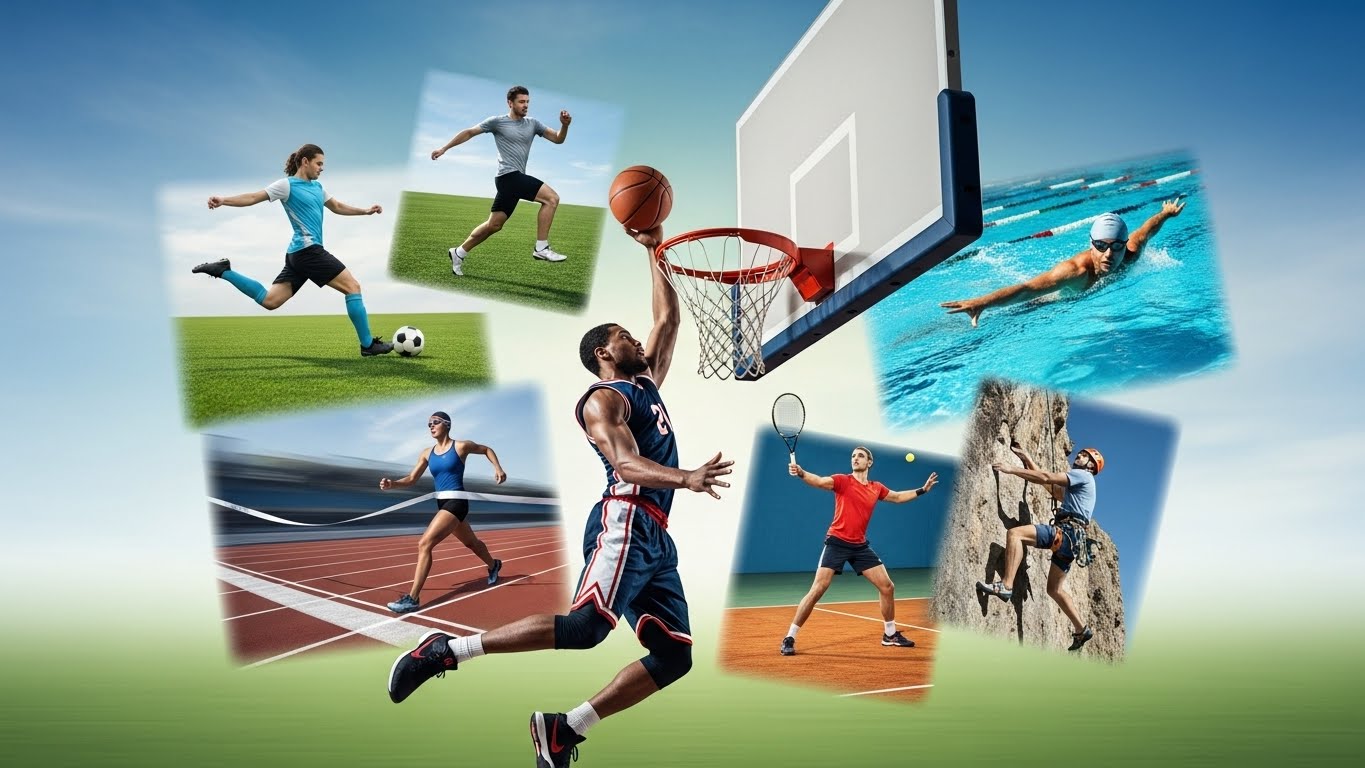
Sports are not just games played on fields, courts, or tracks—they are the beating heart of human spirit and ambition. Every time a player steps onto a field, they carry not only their skill but also their determination, teamwork, and passion. Across centuries, sports have evolved from mere recreational activities into global phenomena that connect people, shape identities, and influence nations. From the ancient Olympic arenas of Greece to the grand stadiums of today, sports have remained one of humanity’s most powerful expressions of energy, discipline, and resilience.
The Ancient Origins of Sports
The history of sports is as old as civilization itself. Ancient societies used physical competition to celebrate strength, courage, and endurance. The Greeks organized the Olympic Games in honor of their gods, while the Romans staged gladiatorial contests to demonstrate bravery. In ancient Egypt and China, sports like wrestling, archery, and horse racing were part of cultural rituals and royal celebrations. Over time, these activities evolved into organized competitions with rules and codes of conduct. What began as displays of physical prowess became structured systems that promoted excellence, respect, and fair play.
The Physical Benefits of Sports
Sports play a vital role in maintaining physical health. Regular participation improves cardiovascular fitness, muscle strength, coordination, and flexibility. Whether it’s running, swimming, or playing football, every sport helps the body function efficiently. It strengthens the immune system and reduces the risks of chronic illnesses like diabetes and hypertension. For children, sports enhance physical growth and motor skills, while for adults, they serve as a means of stress relief and weight management. In a world where sedentary lifestyles have become common, sports act as a natural medicine for both the body and mind.
Sports and Mental Health
The mental impact of sports is equally powerful. Athletes often face pressure, competition, and setbacks, but overcoming these challenges builds emotional strength. Sports teach individuals how to stay focused under stress and how to manage both victory and defeat gracefully. Engaging in sports releases endorphins, chemicals in the brain that boost mood and reduce anxiety. Many psychologists recommend physical activity as a remedy for depression and stress. Beyond competition, the act of playing promotes joy, confidence, and a sense of belonging—elements that are essential for mental well-being.
Teamwork and Leadership in Sports
Sports are a living classroom for teamwork and leadership. Team-based games like basketball, cricket, and football teach players the importance of cooperation, trust, and communication. Each player has a role, and the success of the team depends on collective effort. Through teamwork, individuals learn to set aside personal differences and focus on shared goals. Sports also nurture leaders—those who motivate, strategize, and guide others toward victory. The lessons of teamwork and leadership learned on the field often extend into other areas of life, helping individuals excel in careers and relationships.
Discipline: The Key to Sporting Excellence
Behind every successful athlete lies an unshakable foundation of discipline. Training routines, strict diets, and consistent practice demand self-control and dedication. Discipline teaches athletes that success is not achieved overnight but through years of perseverance. It helps them push beyond limitations, stay focused during challenges, and remain humble in triumph. These lessons of discipline are transferable—they apply to academics, professions, and everyday life. Sports remind us that talent may open the door, but discipline keeps it open.
The Role of Sports in Education
Sports and education go hand in hand in developing well-rounded individuals. Schools that incorporate sports programs create environments where students learn beyond textbooks. Athletics teach life skills such as time management, problem-solving, and resilience. Students who participate in sports often perform better academically because physical activity improves concentration and memory. Sports scholarships also open educational opportunities for talented athletes, allowing them to balance both learning and passion. By combining academics and athletics, education systems can shape future leaders who value both intelligence and integrity.
Women in Sports: Redefining Boundaries
For centuries, women faced barriers in the world of sports, but today they stand as symbols of courage and equality. Female athletes have shattered stereotypes, proving that strength and determination know no gender. From track and field to tennis and football, women have become icons of empowerment and excellence. Their success has inspired millions of young girls to pursue sports without fear of bias. As women continue to rise in athletics, they redefine the meaning of competition and inspire a generation that believes in equal opportunity and respect.
Sports as a Unifying Force
One of the most remarkable aspects of sports is its power to unite. During major sporting events, entire nations come together in shared excitement and pride. Sports transcend language, religion, and politics, creating a universal bond among people. When an athlete represents their country, they become a symbol of national unity. Even at the community level, sports foster relationships, teamwork, and understanding. In a world often divided by differences, sports remind humanity that strength lies in unity and collaboration.
Technology and the Modern Transformation of Sports
The digital age has revolutionized sports in ways once unimaginable. Advanced technologies such as motion sensors, data analytics, and artificial intelligence have enhanced training and performance evaluation. Coaches use virtual simulations to analyze techniques, while athletes monitor their progress through smart devices. Fans can experience games through live streaming, virtual reality, and instant replays. Moreover, technology ensures fairness through video review systems. These innovations make sports more dynamic, accurate, and accessible, proving that the fusion of science and athletics can elevate human potential.
The Economic and Social Impact of Sports
Sports contribute significantly to global and local economies. Major sporting events generate employment, boost tourism, and promote local industries. From ticket sales and broadcasting rights to merchandising, sports are a massive source of economic growth. Beyond financial impact, sports drive social change by promoting health awareness and encouraging community participation. Sports organizations often engage in charity and outreach programs, helping underprivileged youth find direction through athletics. Thus, sports act as a bridge between prosperity and social responsibility.
Sportsmanship and Ethics
True greatness in sports is not measured by victories alone but by the spirit in which they are achieved. Sportsmanship is the foundation of all athletic excellence. It teaches respect—for opponents, for rules, and for the game itself. Ethical behavior ensures fairness, integrity, and mutual admiration among players and fans. Cheating or unethical conduct undermines the very essence of sports. A true athlete values honesty and humility as much as winning. Sportsmanship transforms competition into a noble pursuit of excellence, not just domination.
The Globalization of Sports
In today’s interconnected world, sports have become global phenomena. Fans from one continent passionately follow teams from another, and international athletes represent multicultural harmony. Global sports leagues and tournaments bring together diverse cultures, creating opportunities for mutual learning and respect. The globalization of sports also enhances diplomacy, as nations use sports as a means of peaceful cooperation. Whether through football, cricket, or the Olympics, sports continue to serve as a universal language that transcends borders.
Sports and the Youth of the Future
For the youth, sports are more than recreation—they are preparation for life. Young athletes learn to dream big, face challenges, and stay committed. Sports provide a platform for talent recognition and self-discovery. Moreover, they keep youth engaged in healthy activities, steering them away from negative influences. Governments and schools should encourage youth participation in sports to build stronger, more confident generations. Investing in sports infrastructure and training programs can ensure that future athletes reach their full potential.
The Role of Sports in Health and Longevity
In the pursuit of long life and wellness, sports remain one of the most effective solutions. Regular physical activity improves heart health, strengthens the bones, and enhances immunity. It reduces the risk of diseases that accompany modern sedentary lifestyles. For elderly individuals, light sports such as walking, yoga, and cycling help maintain mobility and balance. For younger generations, active sports prevent obesity and encourage positive habits. The longevity and vitality of individuals are closely linked to consistent participation in sports and physical fitness.
The Future of Sports: Innovation and Inclusion
The future of sports is being shaped by innovation and inclusivity. Technology will continue to enhance athletic performance, while e-sports and virtual competitions expand the definition of athletics. Inclusion is also becoming a global priority, with more opportunities for athletes of all genders, abilities, and backgrounds. Adaptive sports for differently-abled athletes are gaining recognition, proving that passion and determination can overcome any physical limitation. Sustainability is another focus, as sports organizations work toward eco-friendly practices and responsible event management. The sports of the future will be more inclusive, equitable, and technologically advanced than ever before.
Conclusion
Sports are much more than games—they are reflections of human life. They teach patience, humility, courage, and respect. They strengthen not only the body but also the mind and soul. Through victory and defeat, through sweat and struggle, sports reveal what it means to be truly human. From playgrounds to Olympic arenas, from local matches to world championships, sports continue to inspire unity and purpose. They remind us that while life may not always be fair, fair play, determination, and teamwork can always lead us forward. Sports are not merely about winning—they are about becoming the best version of ourselves.