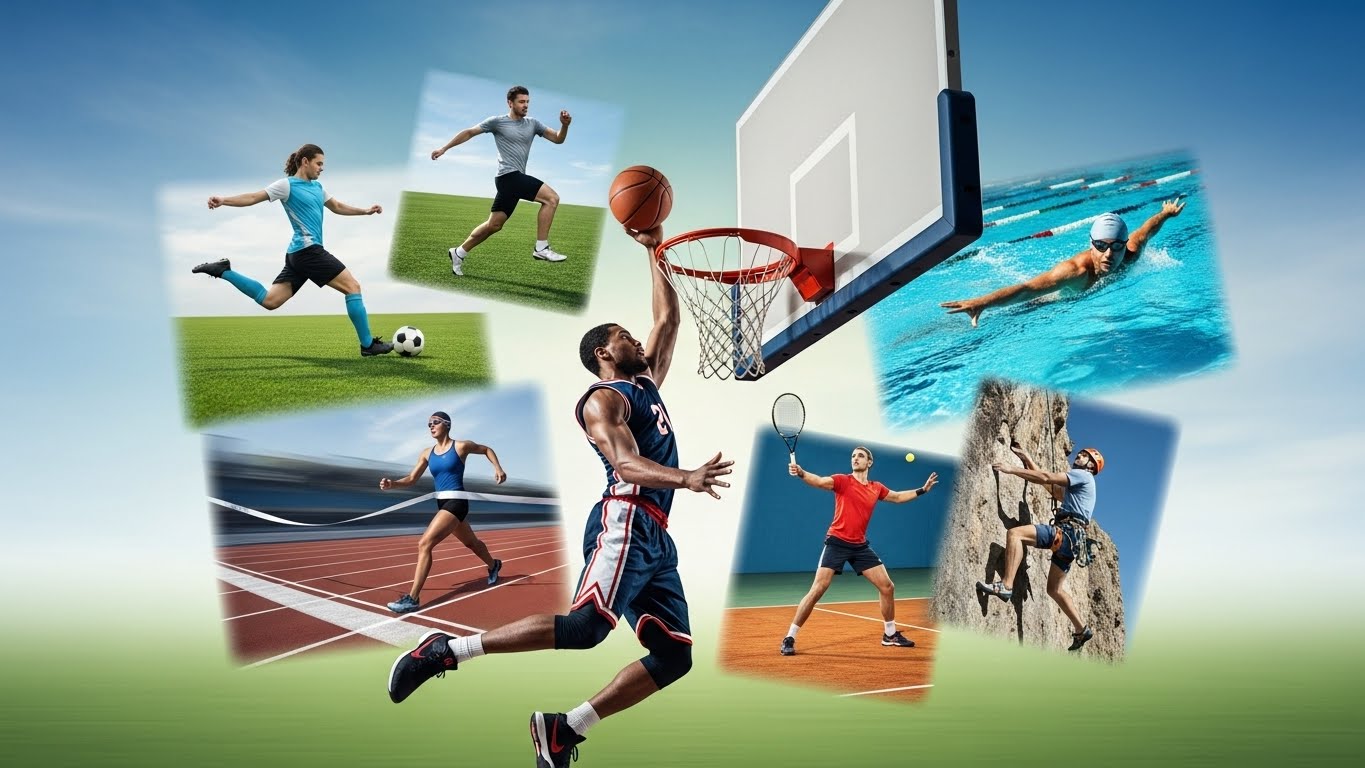
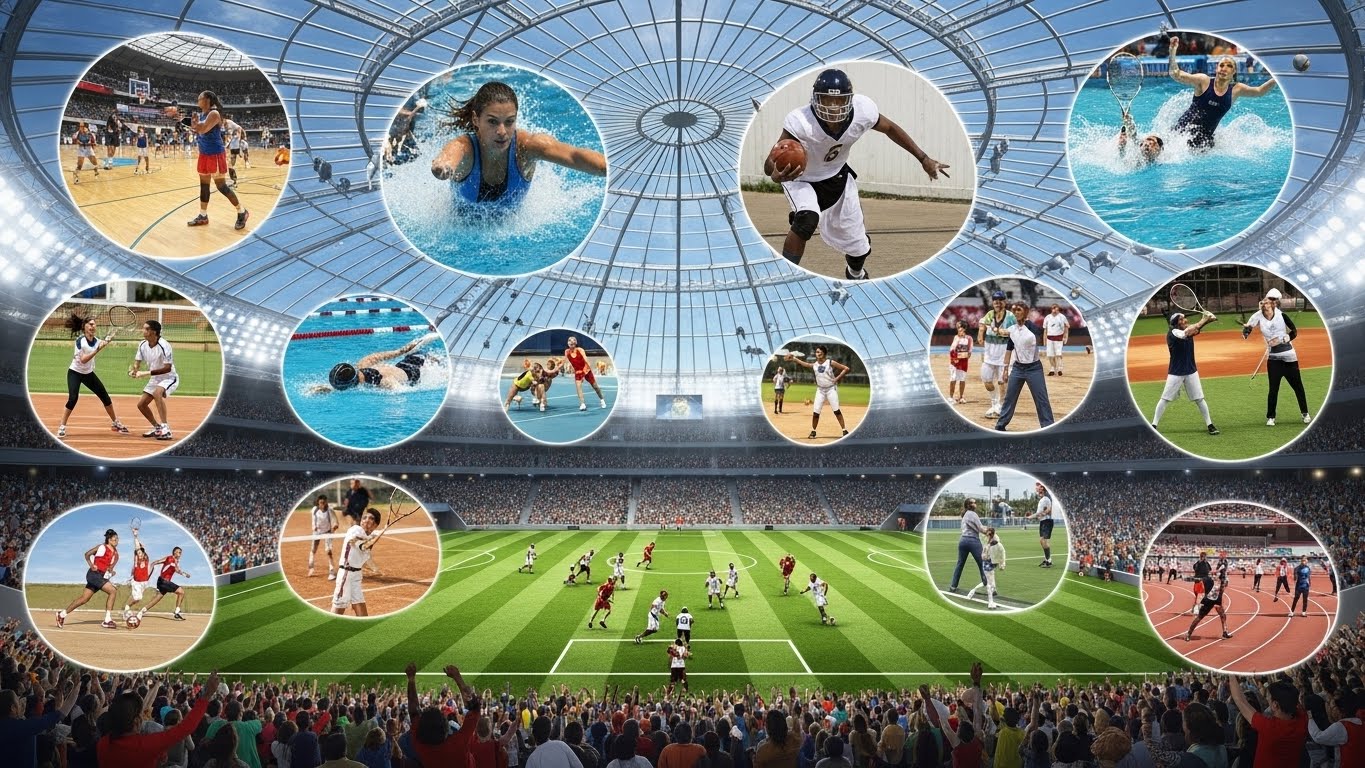
Sports have always played an integral role in human civilization, from the ancient Olympic Games in Greece to the globally celebrated tournaments of today. What started as simple contests of strength, speed, and skill has transformed into a multibillion-dollar global industry that connects millions of people around the world. From cultural rituals to international spectacles, sports have adapted to the ever-changing dynamics of society, technology, and entertainment. In this blog post, we will explore the rich history, evolution, and future of sports, shedding light on their profound impact on individuals, cultures, and societies.
1. The Origins of Sports: Rituals and Competitions
Long before the advent of professional sports leagues and televised events, humans engaged in physical contests as part of religious rituals, social gatherings, or tribal practices. Ancient civilizations used sports as a way to celebrate religious beliefs, honor gods, or test the physical prowess of warriors and leaders.
In ancient Greece, for example, the Olympic Games were born out of a religious festival dedicated to Zeus. These games, held every four years, included events such as running, wrestling, and chariot racing. The Olympics were not just a competition but a sacred ritual that united various city-states, with athletes competing for the glory of their gods.
Similarly, in Mesoamerica, the Mayans and Aztecs played a ball game known as “tlachtli,” which held significant religious and cultural meaning. The game involved teams attempting to pass a rubber ball through a stone ring without using their hands. Though its rules were different, the game was also a contest of physical skill and endurance.
As civilizations grew, the role of sport expanded beyond religious ceremonies, eventually becoming a way for individuals and communities to engage in friendly competition and demonstrate their physical and mental strength.
2. The Rise of Organized Sports: The Birth of Modern Competitions
With the passage of time, sports began to evolve into more organized and structured forms. The Middle Ages saw the rise of tournaments and jousting competitions, often held as part of royal festivals or as training for warfare. These events were popular among nobility but were also enjoyed by the common people who witnessed these spectacles.
The true foundation for modern sports, however, was laid in 19th-century England. The industrial revolution had transformed society, and the growth of urban areas led to the creation of formalized competitions. Schools, universities, and clubs began organizing events in specific sports, with standardized rules and formalized leagues.
The first modern Olympic Games were held in Athens in 1896, marking the return of organized sports on an international scale. The Games featured events like athletics, swimming, and gymnastics, and athletes from across the world competed under a shared set of rules. This event was the beginning of the modern global sports culture, where nations, rather than individual city-states, competed for international glory.
3. The Impact of Technology on Sports: From Radio to Virtual Reality
As the 20th century progressed, technology began to play a central role in shaping the world of sports. Early technological innovations such as radio broadcasts allowed fans to listen to live games from the comfort of their homes, creating a new way to experience sports. This was further expanded with the advent of television, which brought live sports events into living rooms across the globe. The visual medium enabled fans to see athletes in action, experience the drama of a game, and become more deeply emotionally invested in their teams and favorite players.
The growth of television broadcasting during the mid-20th century was a watershed moment for sports. Major events like the Super Bowl, World Cup, and Wimbledon became global spectacles, with millions tuning in to watch. The ability to broadcast games live allowed sports to transcend geographic and cultural boundaries, uniting people from different backgrounds with a shared passion for the game.
By the late 20th century, the internet revolutionized sports once again. Fans could access live updates, watch highlights, and engage in real-time discussions via social media. Streaming platforms further democratized access to sports, making it possible for people in remote areas to watch their favorite teams play, often without the need for expensive cable packages.
In recent years, the rise of virtual reality (VR) and augmented reality (AR) has opened up new possibilities for fans and athletes alike. VR can allow users to experience a game from the perspective of a player or as if they were sitting in the best seats of a stadium. In training, VR simulations help athletes hone their skills and strategies in ways that were once unimaginable.
4. Sports as a Global Phenomenon: The Commercialization of Athletics
In the 21st century, sports have evolved into an enormous global industry, with billions of dollars in revenue generated each year from sponsorships, media rights, merchandise sales, and ticket sales. High-profile athletes like Cristiano Ronaldo, LeBron James, and Serena Williams have become household names, thanks to their immense skill on the field and their endorsement deals with major global brands.
Sports have become a key player in global commerce, with brands leveraging athletes’ popularity to sell products and promote values like teamwork, excellence, and perseverance. Major events like the FIFA World Cup, the Olympic Games, and the Super Bowl attract millions of viewers and generate billions of dollars in economic activity.
This commercialization of sports has also led to the rise of sports agents and managers, who handle the business interests of top athletes. They negotiate lucrative contracts, sponsorship deals, and endorsement opportunities, further intertwining the world of sports with the business world.
However, this commercialization has also raised concerns, especially regarding the mental and physical toll that the pressure to perform at the highest level can take on athletes. Issues such as doping scandals, mental health struggles, and exploitation of young talent have become major talking points in the media and among fans.
5. The Influence of Sports on Society: Unity, Identity, and Cultural Influence
Sports have always held a unique ability to bring people together. In times of conflict, economic hardship, or social unrest, sports have often served as a unifying force, transcending national borders and cultural divides. For instance, during the 1995 Rugby World Cup in South Africa, Nelson Mandela used the event to foster national unity after decades of apartheid. By supporting the South African rugby team, Mandela encouraged a nation divided by race to come together behind a common cause.
Similarly, the 2008 Beijing Olympics served as a platform for China to present itself on the world stage as a rising global power. The games were a way for China to showcase its economic growth, technological advancements, and cultural heritage to a global audience.
Sports also play a major role in shaping individual identity. Whether it’s a child playing football in their local community or an adult representing their country in the Olympics, the sense of achievement and belonging that comes from participating in sports is unparalleled. Moreover, athletes have the ability to inspire millions by overcoming obstacles and achieving greatness, making them role models and heroes to many.
Beyond national pride, sports can also create shared bonds across cultures. Football (soccer) may be the most popular sport globally, but each country has its own favorite pastime that holds cultural significance—whether it’s cricket in India, baseball in the United States, or rugby in New Zealand. These sports, along with countless others, help to define the cultural fabric of societies worldwide.
6. The Future of Sports: Innovations and New Frontiers
Looking ahead, the future of sports promises to be even more dynamic and multifaceted than ever before. With the rapid advancement of technology, the way we engage with sports will continue to evolve. Innovations in wearable technology, for example, are allowing athletes to track their performance metrics in real-time, giving coaches and trainers invaluable insights into improving an athlete’s training regimen.
Esports has emerged as one of the fastest-growing sectors of the sports industry. Competitive video gaming now attracts millions of viewers and has evolved into a legitimate sport in its own right, with professional leagues and sponsorships. Esports tournaments like “League of Legends World Championship” or “The International” for Dota 2 have prize pools worth millions, attracting global audiences who tune in to watch top-tier gamers battle for supremacy.
Moreover, environmental sustainability will become increasingly important in the world of sports. From eco-friendly stadiums to the push for greener transportation during major events, there is growing awareness about the environmental impact of large-scale sports events. Future stadiums may include renewable energy sources, waste-recycling programs, and even edible packaging to reduce their carbon footprint.
At the same time, sports could become more inclusive, with greater opportunities for people with disabilities or those from marginalized communities to participate at all levels. The Paralympic Games and Special Olympics have already made significant strides in this area, but as attitudes toward inclusivity and diversity continue to shift, the future of sports may be more equitable and accessible to all.
Conclusion: Sports as a Timeless Cultural Force
From their humble beginnings as rituals in ancient societies to the modern global spectacles we see today, sports have always reflected the values and challenges of the time. They have the unique power to entertain, inspire, and unite people across cultures and generations. As we move forward, sports will continue to evolve with technological advancements, societal changes, and global trends, but their fundamental purpose—to bring people together through the joy of competition—will remain unchanged.
In a world that often seems divided by politics, culture, and geography, sports provide a common ground where the rules are the same for everyone. Regardless of where you are from, what language you speak, or what you believe in, when the game starts, we are all united by our shared passion for the thrill of the sport. As such, sports will continue to be a timeless cultural force, offering both inspiration and unity for generations to come.