
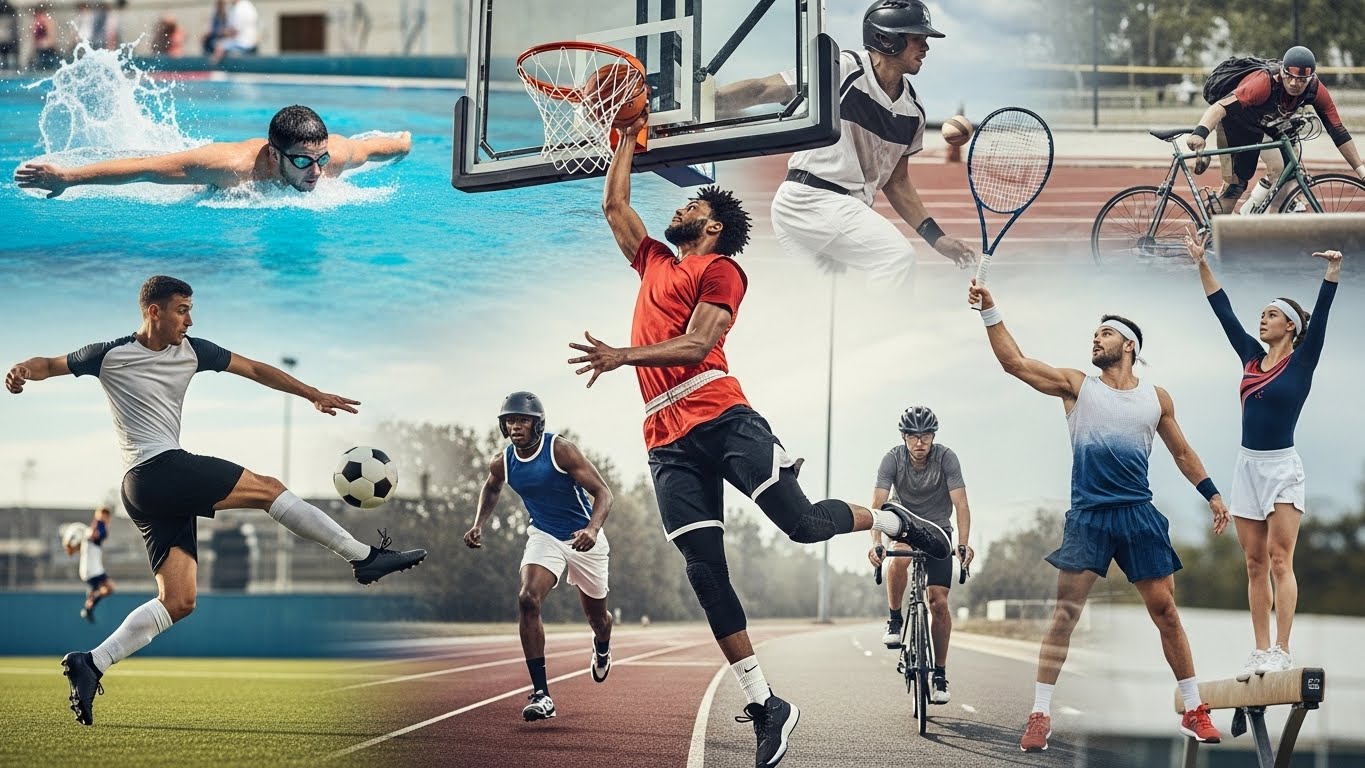
Sports have always been more than games. They are a universal language that transcends borders, cultures, and generations. Whether played on dusty fields, massive stadiums, or quiet schoolyards, sports carry the power to bring people together, inspire change, and build character. Over time, sports have evolved from simple physical activities to complex global industries that influence entertainment, health, education, and even politics. In this blog, we explore how sports shape our world, why they matter, and how they continue to evolve in the modern era.
The Global Language of Sports
No matter where you are in the world, the excitement of sports remains the same. A roar from fans, a breathtaking move from an athlete, or a dramatic victory creates emotions that unite people regardless of nationality or language. Sports championships often draw audiences in the millions, showcasing how deeply rooted sports are in the heart of humanity.
Sports also act as bridges between cultures. International tournaments become celebrations of identity, teamwork, and friendly rivalry. When nations come together on the field, it demonstrates how competition can coexist with respect and unity. This shared passion creates opportunities for cultural exchange and understanding that transcend politics and social barriers.
The Evolution of Modern Sports
Sports have come a long way from their ancient origins. Historically, they began as ritualistic competitions, physical training for warriors, or community celebrations. Today, sports have transformed into highly organized systems involving training academies, professional leagues, international federations, and advanced technologies.
Modern sports are influenced by science, nutrition, data analytics, and media. This evolution has created a dynamic environment where performances continually improve. Athletes break records once thought impossible, and innovation continues to push the boundaries of what the human body can achieve.
With the rise of digital media, sports have also become global entertainment spectacles. Broadcasts, interviews, documentaries, and behind-the-scenes access bring fans closer to athletes than ever before. The evolution of sports reflects the evolution of human ambition and creativity.
The Role of Sports in Character Building
Sports are essential in shaping character, especially among young people. Engaging in sports teaches discipline, teamwork, time management, leadership, and resilience. These lessons extend far beyond the playing field and translate into everyday life.
Through victories and defeats, athletes learn how to handle pressure, overcome challenges, and stay motivated. The value of hard work becomes evident as athletes see the results of their effort and dedication. This character-building aspect of sports makes them powerful tools for education and personal development.
Sports as a Tool for Health and Wellness
In a world where sedentary lifestyles are increasingly common, sports provide a vital solution for improving physical and mental health. Whether recreational or professional, sports help strengthen the body, improve cardiovascular health, and increase flexibility and endurance.
Beyond physical benefits, sports significantly improve mental well-being. Regular activity reduces stress, boosts mood, enhances focus, and fosters social connections. The camaraderie of a team or the joy of participating in a sport greatly contributes to overall happiness and life satisfaction.
Sports also motivate individuals to adopt healthier lifestyles. They inspire better eating habits, consistent exercise routines, and a sense of responsibility toward one’s body.
Professional Sports and Global Influence
Professional sports have become massive global industries. Teams, leagues, and athletes influence fashion, media, business, and entertainment. Sponsorships, merchandise, and advertising play major roles in shaping the economy around sports.
Athletes often become global icons, acting as role models and ambassadors for social causes. Their voices carry significant weight, and many use their platforms to advocate for issues such as education, equality, and environmental awareness.
Professional sports also boost tourism, create jobs, and encourage infrastructure development. From stadiums to training centers, the economic footprint of sports is undeniable. Sporting events become catalysts for development and unity within communities and nations.
The Impact of Technology on Sports
Technology has revolutionized sports in remarkable ways. Instant replay systems, performance tracking, wearable devices, and advanced training equipment help improve athlete performance and ensure fair play. Coaches rely on data analytics to develop strategies and identify strengths and weaknesses.
For fans, technology has enhanced the viewing experience. High-definition broadcasts, virtual graphics, and digital commentary create immersive environments. Online communities allow fans to connect globally, share enthusiasm, and engage with the sports they love.
As technology continues to evolve, its impact on sports performance, fan engagement, and entertainment will only grow stronger.
Sports and Education
Educational institutions worldwide recognize the importance of sports in academic settings. Schools and universities incorporate sports into their curriculum to encourage balanced development. Students learn teamwork, leadership, and perseverance, all of which complement academic learning.
Colleges offering athletic scholarships create opportunities for talented players to pursue higher education. This connection between sports and education promotes both academic and athletic excellence. Many students build successful careers through sports-related studies such as sports science, physiotherapy, sports journalism, and coaching.
Sports and Social Change
Throughout history, sports have played critical roles in driving social change. Athletes and teams have stood against discrimination, supported human rights, and used sports as platforms to promote equality. Moments in sports have often mirrored larger societal shifts, inspiring progress and unity.
Sports empower marginalized communities by providing platforms for visibility and opportunity. They break stereotypes and highlight the importance of diversity and inclusion. The ability of sports to influence society makes them powerful tools for change and inspiration.
The Business of Sports
The business aspect of sports is vast and complex. It includes broadcasting, sponsorships, merchandising, event management, and athlete representation. Companies invest heavily in sports marketing due to the massive audiences and brand loyalty associated with sports fans.
Sports merchandising, from apparel to equipment, drives major revenue streams for clubs and leagues. Media rights deals generate millions, helping fund teams, tournaments, and player salaries. The sports business ecosystem continues to grow, creating opportunities for careers and innovation.
Challenges in the Sports World
Despite the many positives, sports also face challenges that require attention. Issues such as doping, corruption, inequality, and financial mismanagement threaten the integrity of competitions. Mental health struggles among athletes highlight the pressure of professional sports.
Ensuring fair play, transparency, and athlete well-being is essential. Organizations must remain committed to addressing these challenges to protect the spirit of sports and maintain trust among fans and participants.
The Future of Sports
The future of sports looks dynamic, diverse, and technology-driven. Virtual sports, advanced analytics, artificial intelligence, and smart training environments will continue to shape how athletes train and compete.
Women’s sports are also gaining increased recognition and support, leading to more equality and representation across leagues and competitions. Sports for differently abled athletes are expanding, promoting inclusivity and inspiring audiences.
Sustainability will play a major role in future sports events, with eco-conscious stadiums, energy-efficient facilities, and reduced carbon footprints becoming priorities. The future will be defined by innovation, inclusivity, and global collaboration.
Conclusion
Sports are more than physical competitions; they are reflections of human spirit, resilience, and unity. From childhood games to professional championships, sports shape who we are and the world we live in. They teach life lessons, inspire communities, and provide emotional connections that last a lifetime.
As we look to the future, sports will continue to evolve, driven by technology, social change, and global passion. Their influence on culture, health, education, and entertainment makes them an essential part of human life. The world of sports is a powerful reminder of what can be achieved through teamwork, dedication, and determination.