
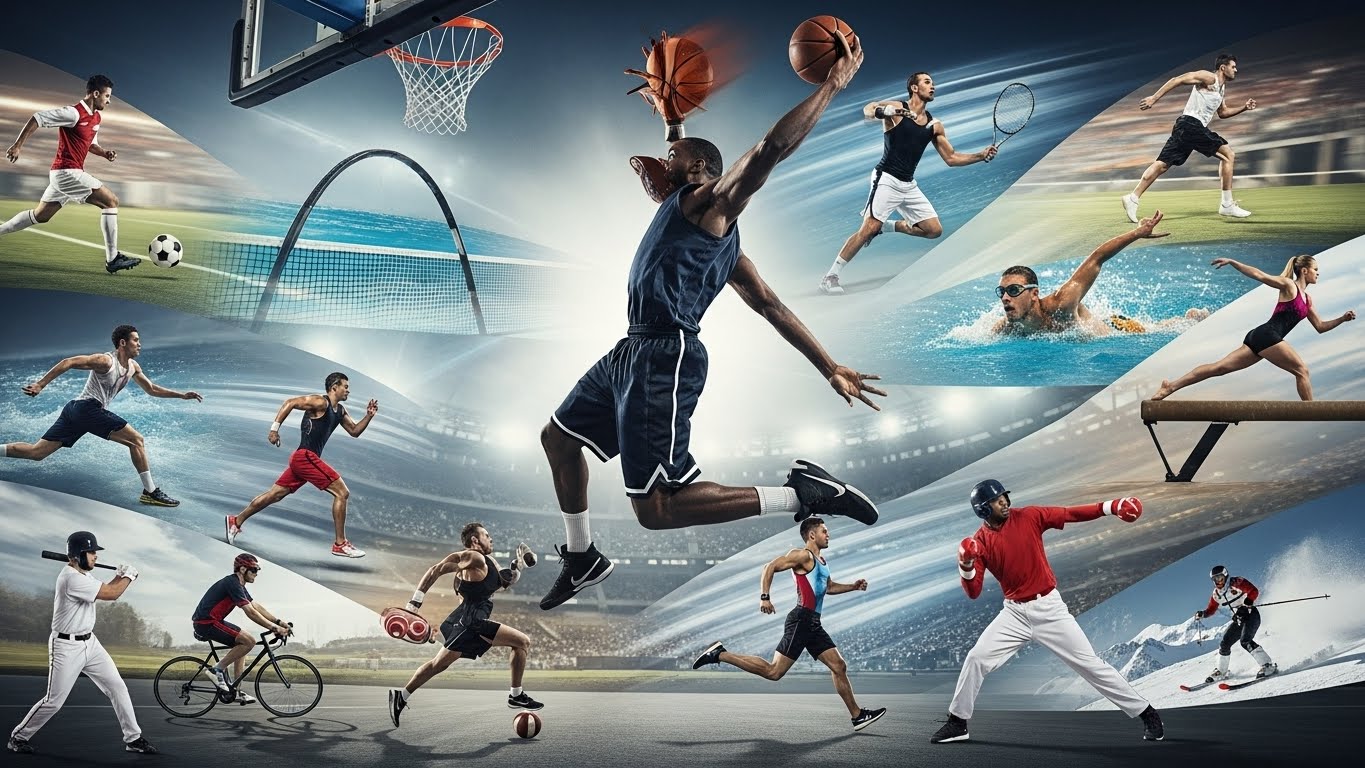
Sports have been an integral part of human civilization since the dawn of time. From the ancient Olympic Games of Greece to the modern mega-events watched by billions worldwide, sports are far more than just a form of entertainment. They are a mirror of society, a builder of character, and a universal language that transcends borders, cultures, and generations. In this blog post, we will explore the multifaceted impact of sports, the physical and mental benefits, the role of sports in shaping cultures, and the lessons athletes impart to society.
The Evolution of Sports Through History
Sports have a rich history that dates back thousands of years. Ancient civilizations used physical competitions not only for entertainment but also as a means of military training and social cohesion. The Greeks introduced structured athletic competitions in the form of the Olympic Games in 776 BC, emphasizing excellence, discipline, and honor. Over the centuries, sports evolved to include team-based competitions, such as soccer and cricket, which fostered community spirit and national pride.
The industrial revolution further transformed sports, bringing organized leagues, standardized rules, and the idea of sports as a profession. Today, sports are a global phenomenon, with professional leagues, international tournaments, and sports diplomacy shaping both economies and cultures. Understanding this historical context helps us appreciate why sports continue to hold such an important place in human life.
Physical Benefits of Playing Sports
Engaging in sports offers immense physical benefits, making it a cornerstone of a healthy lifestyle. Regular participation in sports enhances cardiovascular health, strengthens muscles, improves flexibility, and boosts endurance. Activities such as running, swimming, and cycling enhance heart function, while team sports like basketball and soccer improve coordination and agility.
Moreover, sports are a powerful tool in combating obesity and related health issues. They encourage an active lifestyle from a young age, promoting habits that can last a lifetime. Beyond physical fitness, sports also stimulate the body’s metabolic functions, enhance immunity, and improve overall energy levels. The positive effects on health are not limited to the body alone; they extend to mental wellness, which we will explore next.
Mental Health Benefits and Cognitive Growth
While the physical advantages of sports are well-documented, the mental and cognitive benefits are equally profound. Participation in sports fosters discipline, focus, and strategic thinking. Athletes constantly evaluate their performance, make quick decisions under pressure, and develop problem-solving skills, which often translate into success in other areas of life.
Sports also play a crucial role in mental health by reducing stress, anxiety, and depression. Physical activity triggers the release of endorphins, the brain’s natural mood enhancers, promoting a sense of well-being. Team sports, in particular, create a sense of belonging, fostering social interactions and friendships that are vital for emotional health. For children and adolescents, sports can improve attention spans, academic performance, and overall self-esteem, highlighting their role in shaping a balanced and resilient mind.
Sports as a Tool for Cultural Integration
Sports have a unique ability to bring people together, transcending language, religion, and ethnicity. Major sporting events, such as the FIFA World Cup or the Olympic Games, become global spectacles where diverse cultures unite under the spirit of fair competition and mutual respect. These events not only showcase athletic excellence but also promote cultural exchange and understanding.
In local communities, sports clubs serve as melting pots, welcoming individuals from varied backgrounds. Playing alongside people of different cultures teaches empathy, respect, and teamwork. Sports also preserve and celebrate cultural traditions, from martial arts in Asia to indigenous games in Africa and the Americas. By acting as a bridge between cultures, sports contribute significantly to social cohesion and global understanding.
Life Lessons from the Field
The lessons learned through sports extend far beyond physical skills. Sports teach resilience, perseverance, and the value of hard work. Athletes experience both victories and defeats, learning to cope with success and failure gracefully. These experiences cultivate patience, self-discipline, and emotional intelligence—qualities that are invaluable in personal and professional life.
Team sports, in particular, emphasize collaboration, communication, and leadership. Athletes learn to support one another, strategize together, and trust their teammates. These skills are directly transferable to the workplace and society at large, making sports a powerful tool for holistic development.
The Economic Impact of Sports
Sports are also a major economic driver. Professional leagues, sporting events, merchandise, and tourism generate billions in revenue worldwide. Stadiums, sports academies, and training facilities create jobs and boost local economies. Mega-events such as the Olympics or international football tournaments can transform host cities, leading to infrastructure development and increased global visibility.
Additionally, sports inspire entrepreneurship and innovation, from fitness apps to athletic gear and sports analytics platforms. The economic significance of sports underscores their influence beyond the playing field, making them an essential aspect of modern society.
Women in Sports: Breaking Barriers
The participation of women in sports has grown exponentially over the past few decades, challenging gender stereotypes and inspiring millions. Female athletes are breaking records, leading teams, and becoming role models worldwide. Sports empower women by promoting confidence, leadership, and independence.
Despite progress, challenges such as unequal pay, limited media coverage, and societal biases still exist. Promoting inclusivity and equal opportunities in sports is crucial not only for gender equality but also for maximizing the potential of talent and innovation in athletics. Women’s participation in sports reflects broader societal changes, highlighting the importance of equity, empowerment, and recognition.
Technology and the Modern Sports Landscape
Technology has revolutionized how sports are played, watched, and analyzed. From wearable fitness trackers to advanced data analytics, athletes and coaches can now optimize performance with unprecedented precision. Video replay systems ensure fair play, while virtual reality allows fans to experience games in immersive ways.
Social media and live streaming have also transformed fan engagement, making sports more accessible than ever. Technology fosters innovation, enhances training methods, and provides new avenues for entertainment and revenue generation, demonstrating how sports continue to evolve alongside society.
The Role of Sports in Education
Sports in educational institutions are not just extracurricular activities; they are vital for holistic development. Schools and colleges that emphasize sports encourage discipline, time management, and healthy competition among students. Athletic programs teach goal-setting, responsibility, and teamwork—skills that support academic success and personal growth.
Furthermore, sports can serve as a pathway for scholarships and professional careers, providing opportunities that might otherwise be inaccessible. By integrating sports into education, institutions create well-rounded individuals prepared for the challenges of life.
Global Sporting Events: A Celebration of Unity
International sporting events are more than competitions—they are celebrations of human achievement, unity, and diversity. The Olympics, World Cups, and regional championships captivate audiences, foster national pride, and inspire future generations. These events showcase stories of perseverance, talent, and sportsmanship, reminding us of the universal values embedded in sports.
Moreover, global events encourage countries to invest in sports infrastructure, training programs, and youth development. They leave lasting legacies that benefit communities, promoting active lifestyles and inspiring countless young athletes to pursue their dreams.
Sports and Social Responsibility
Sports have the power to drive social change and raise awareness about critical issues. Athletes and organizations often engage in initiatives related to health, education, and environmental sustainability. Campaigns against discrimination, violence, and inequality are amplified through the influence of sports, reaching audiences that traditional media might not impact.
By leveraging their platforms, sports figures become advocates for justice and humanitarian causes. This unique role underscores the responsibility and influence that sports hold beyond entertainment, demonstrating how athletics can contribute positively to society.
Conclusion: More Than Just a Game
Sports are far more than a pastime; they are a reflection of human potential, culture, and societal values. They promote physical and mental health, foster community and cultural integration, and teach invaluable life lessons. Sports influence economies, drive technological innovation, and inspire social responsibility. They are platforms for empowerment, inclusion, and global unity.
The beauty of sports lies in its universality. Regardless of age, gender, or background, everyone can find joy, purpose, and growth through sports. In a world often divided by differences, sports remain a powerful reminder that collaboration, perseverance, and passion are values that unite us all.
Engaging in sports, whether as a participant, spectator, or supporter, enriches lives and builds stronger communities. It is not merely about winning or losing but about embracing the journey, celebrating effort, and inspiring generations to come. In essence, sports are a celebration of life itself.