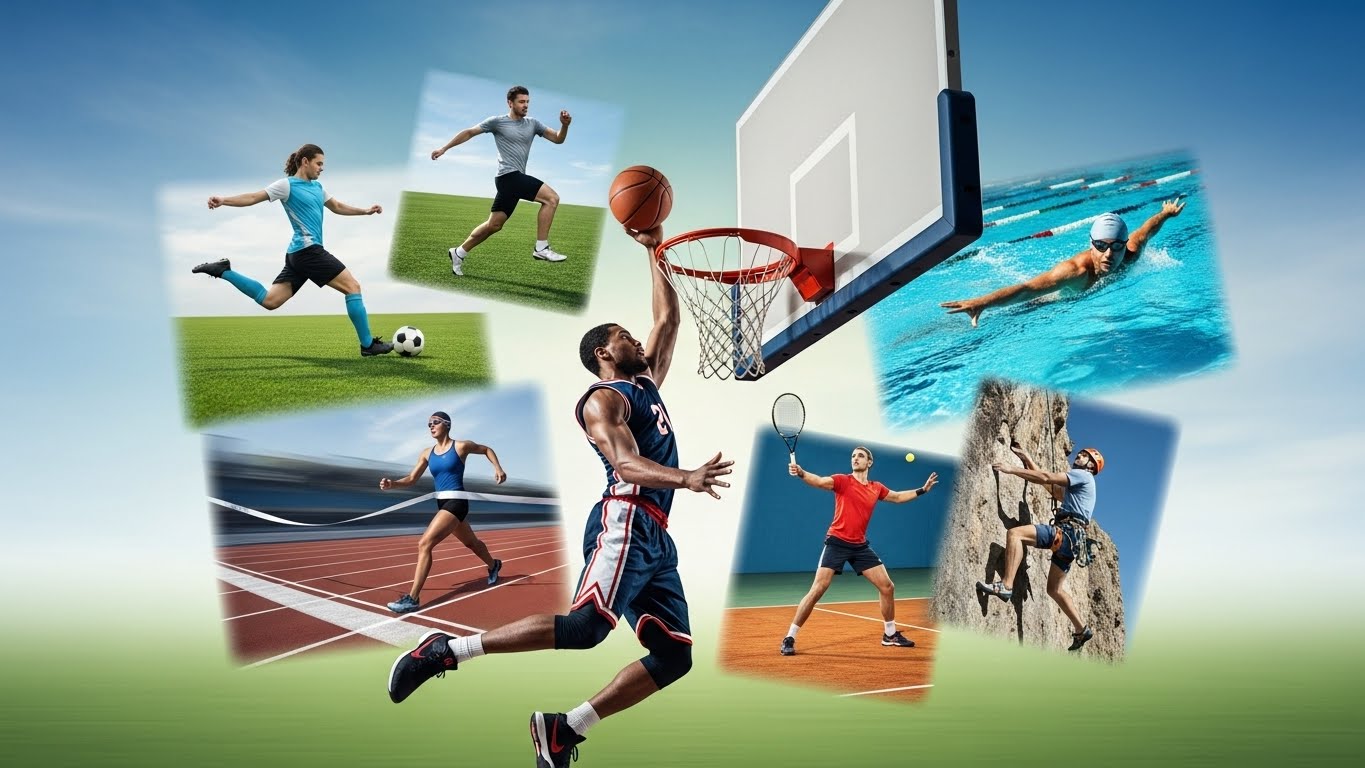

Sports are far more than a competition or a pastime. They are a mirror of society, a builder of character, and a unifier of people across cultures and generations. The energy of an athlete, the passion of fans, and the lessons learned through participation make sports an integral part of human life. From grassroots activities to global tournaments, sports provide more than physical engagement; they shape personalities, encourage resilience, and promote social harmony.
The Historical Significance of Sports
Sports have existed as long as humans have sought to challenge themselves physically and mentally. Ancient civilizations embraced competitive games, not just for entertainment but also as a demonstration of strength, skill, and strategy. The Olympic Games in Greece, which began over two thousand years ago, were more than athletic contests; they were cultural festivals that celebrated excellence, honor, and unity. Similarly, traditional games in different regions reflected the values and lifestyles of local communities. Understanding the history of sports helps us recognize their importance beyond physical exertion. They have been an expression of human creativity, discipline, and social cohesion throughout history.
Physical Benefits of Sports
Engaging in sports has profound physical benefits. Regular participation in physical activities improves cardiovascular health, builds muscle strength, enhances flexibility, and increases endurance. Different sports focus on specific aspects of physical fitness. Swimming enhances lung capacity and overall stamina, while gymnastics improves balance, agility, and core strength. Even activities like running, cycling, or martial arts contribute to longevity and general well-being. Sports also aid in weight management and help prevent lifestyle-related illnesses such as diabetes, hypertension, and obesity. By maintaining an active lifestyle through sports, individuals invest in a healthier, stronger body that is better equipped to face daily challenges.
Mental and Emotional Growth Through Sports
The influence of sports extends beyond physical benefits. They play a vital role in mental and emotional development. Sports encourage discipline, perseverance, and goal-setting, teaching individuals how to plan, practice, and improve over time. Facing challenges and competition builds resilience and the ability to handle failure. The excitement and unpredictability of sports foster mental agility and strategic thinking. Participation in sports also reduces stress and anxiety through the release of endorphins, improving mood and emotional balance. Team sports, in particular, enhance interpersonal skills, empathy, and communication, creating environments where collaboration and mutual support are as important as individual performance.
Sports as a Social Connector
Sports have a unique power to unite people. Local games, school competitions, and international tournaments bring together individuals from diverse backgrounds, creating shared experiences that foster understanding and friendship. National teams and local clubs often become symbols of pride, motivating communities to come together in celebration of shared achievements. Beyond entertainment, sports are a platform for social change, challenging stereotypes and advocating for equality. They promote inclusion by providing opportunities to marginalized communities and encouraging youth participation in positive, structured activities. Through sports, individuals learn cooperation, respect, and the value of collective effort.
Technology and Sports Innovation
Modern sports are deeply intertwined with technology, which has transformed both training and viewing experiences. Advanced equipment, wearable devices, and performance tracking systems allow athletes to monitor progress and prevent injuries. Data analytics provide insights into optimal techniques and strategies, enabling continuous improvement. Fans also benefit from technological innovations, with high-definition broadcasts, replays, and interactive experiences enhancing engagement. Technology has created a closer connection between athletes and spectators, making sports more immersive and accessible. It continues to push the boundaries of human performance while shaping the way we experience and understand athletic achievement.
The Psychological Dimension of Sports
Success in sports is not determined solely by physical ability; mental strength is equally crucial. Athletes cultivate focus, confidence, and resilience to perform under pressure. Sports psychology plays a critical role in developing strategies to manage stress, visualize success, and maintain composure during competition. Visualization, for example, allows athletes to mentally rehearse scenarios and improve their performance. Mental toughness, patience, and strategic thinking are vital for overcoming setbacks and achieving long-term goals. Understanding and harnessing the psychological aspects of sports is often the difference between mediocrity and excellence.
Women in Sports: A Journey of Empowerment
The evolution of women in sports reflects both struggle and triumph. Historically, women faced barriers to participation due to cultural norms and lack of opportunities. Despite these challenges, female athletes have achieved remarkable success, inspiring future generations and redefining what is possible. Today, women excel in every sport, demonstrating skill, determination, and leadership. Their achievements not only empower other women but also challenge societal perceptions about gender roles in sports and beyond. Celebrating women in sports is essential for promoting equality and encouraging a culture where talent and dedication are recognized regardless of gender.
Youth Engagement and Development Through Sports
Youth involvement in sports is critical for holistic development. From early childhood, participating in physical activities teaches children essential life skills such as discipline, teamwork, and perseverance. Schools and community programs play a crucial role in providing structured, safe, and inclusive opportunities for young people to explore sports. Youth sports also help develop problem-solving skills, confidence, and resilience, preparing them for challenges in academics and life. Beyond personal growth, sports can cultivate leadership qualities and social responsibility, equipping young athletes to contribute positively to their communities. Encouraging youth participation ensures a healthier, more dynamic, and socially connected future generation.
Sports as a Global Phenomenon
Sports transcend geographical and cultural boundaries. International events like the Olympics, World Cup, and global championships capture worldwide attention, creating a shared sense of excitement and passion. Athletes become global icons, inspiring millions with their dedication and achievements. Sports encourage cultural exchange, as fans and players experience diverse traditions, languages, and perspectives. The global appeal of sports highlights its role as a universal language, capable of connecting people from different walks of life. Whether played locally or watched globally, sports foster unity, empathy, and mutual appreciation across nations and communities.
The Future of Sports
The future of sports promises continuous growth, innovation, and inclusivity. Emerging technologies such as artificial intelligence, virtual reality, and biometric monitoring will further enhance performance and fan engagement. Adaptive sports for individuals with disabilities are expanding opportunities for participation, promoting equality and accessibility. Environmental consciousness is shaping stadiums, events, and training practices, ensuring sustainability in sports. The evolution of sports will continue to reflect society’s values, blending tradition with modern innovation. Despite technological and societal changes, the essence of sports—passion, perseverance, and human excellence—will remain timeless, inspiring generations to come.
Conclusion: Sports as a Reflection of Life
Sports are a microcosm of life. They teach lessons about effort, perseverance, teamwork, and resilience that extend beyond the playing field. They inspire individuals to push boundaries, overcome challenges, and pursue excellence. Participation in sports enriches physical health, nurtures mental well-being, and strengthens social bonds. Whether through individual pursuits, team endeavors, or global competitions, sports create shared experiences that foster joy, pride, and collective identity. In an ever-changing world, sports remain a constant reminder of humanity’s capacity for growth, unity, and triumph. They are more than games—they are a way of life.