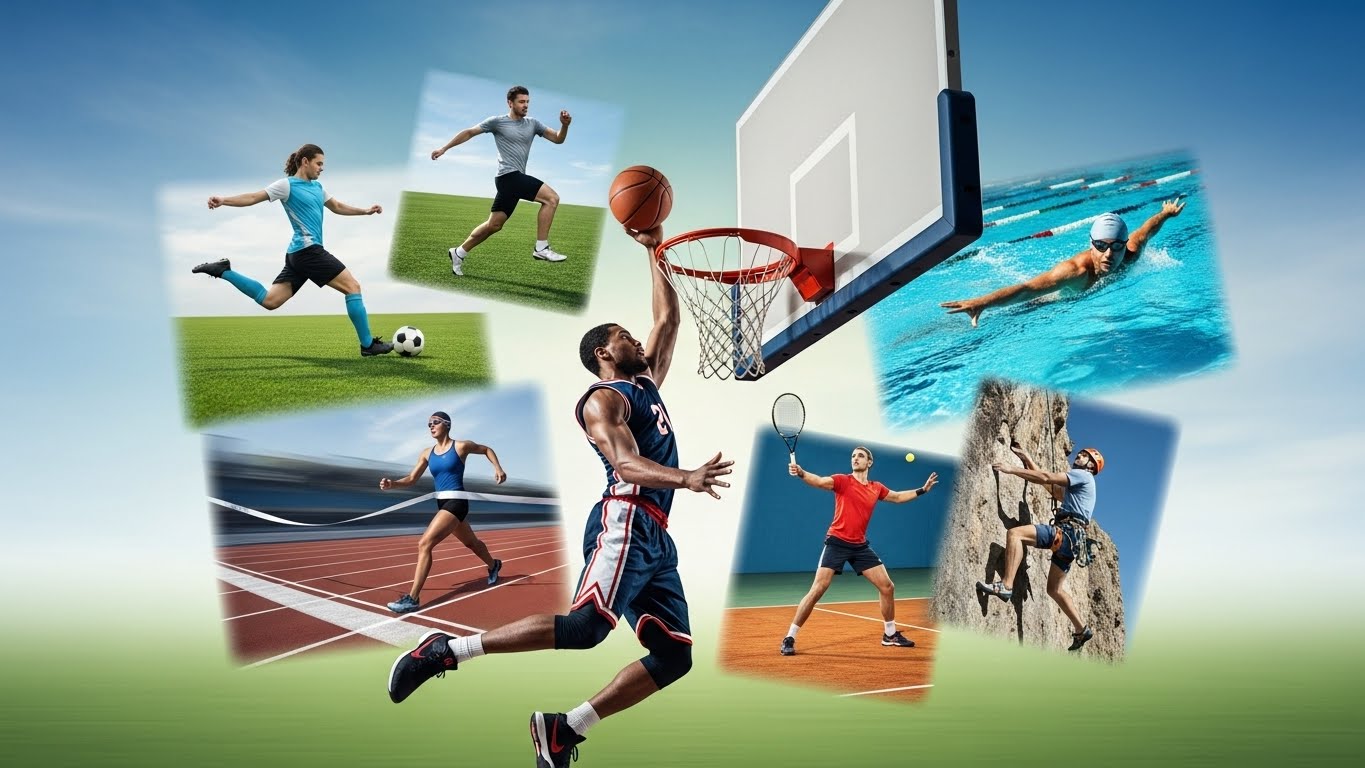
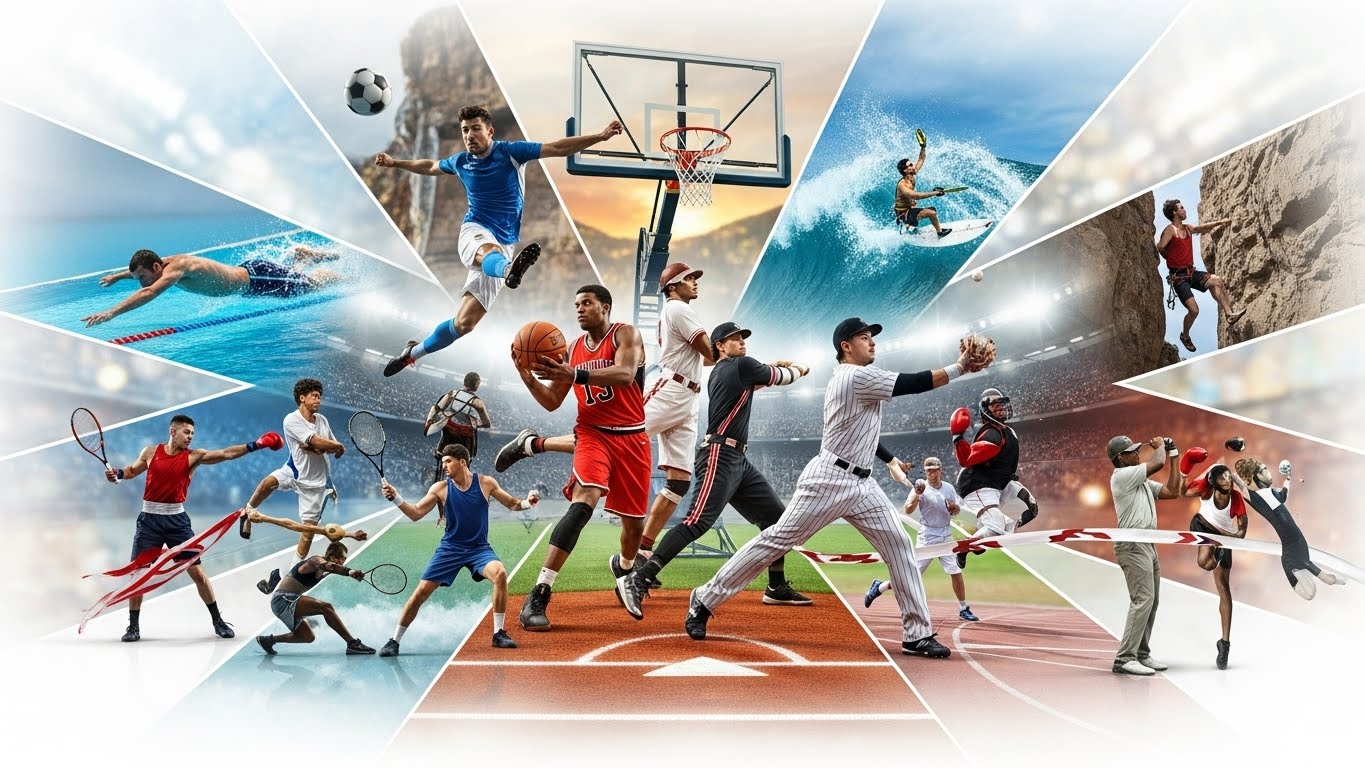
Sports have been a central part of human civilization for centuries, serving as a source of entertainment, physical activity, community, and cultural identity. From ancient Olympic games in Greece to modern international tournaments, sports bring people together, inspire personal growth, and reflect societal values. Today, sports have evolved into a global phenomenon, influencing economies, technology, health, and social connections. This blog explores the multifaceted world of sports, examining their history, cultural impact, health benefits, technological integration, and future trends.
The Evolution of Sports
The history of sports spans thousands of years. Ancient civilizations developed competitive games as part of religious ceremonies, military training, and social gatherings. The Olympic Games, which originated in 776 BCE in Greece, celebrated physical excellence, strategy, and sportsmanship. Other cultures contributed their own forms of athletic competition, from wrestling and chariot racing to traditional ball games.
With time, sports became formalized, with standardized rules, organized leagues, and professional athletes. The 19th and 20th centuries saw the rise of football, cricket, basketball, and many other sports, accompanied by global tournaments and international competitions. The professionalization of sports transformed it into an industry, creating opportunities for athletes, coaches, sponsors, and fans alike.
The Role of Sports in Society
Sports play a critical role in shaping culture, fostering community, and promoting national pride. Major sporting events, such as the FIFA World Cup, the Olympics, and the Super Bowl, unite people across borders, languages, and backgrounds. These events are not just competitions—they are shared experiences that generate excitement, conversation, and collective identity.
In addition, sports contribute to social cohesion. Local teams, school leagues, and recreational clubs bring communities together, providing opportunities for participation, collaboration, and healthy rivalry. Sports also serve as a platform for social change, raising awareness on important issues such as equality, inclusion, and environmental responsibility.
Health Benefits of Sports
Participation in sports offers numerous physical and mental health benefits. Regular athletic activity strengthens muscles and bones, improves cardiovascular health, and enhances flexibility and coordination. Sports also help prevent obesity, diabetes, and other chronic conditions, promoting a longer and healthier life.
Mental health benefits are equally significant. Sports reduce stress, improve mood, boost self-esteem, and enhance cognitive function. Team sports encourage communication, cooperation, and leadership skills, while individual sports foster discipline, focus, and resilience. Engaging in sports creates a balance between physical well-being and mental vitality, making it essential for holistic health.
The Impact of Sports on Youth Development
Sports play a vital role in the development of young people. Participation teaches discipline, responsibility, teamwork, and time management. Children learn to set goals, handle victories and defeats, and develop resilience in the face of challenges.
Youth sports programs also encourage socialization, helping children form friendships and build confidence. Exposure to positive role models, such as coaches and professional athletes, inspires ambition and fosters personal growth. Early engagement in sports cultivates lifelong habits of physical activity, teamwork, and leadership, shaping responsible and motivated individuals.
Women in Sports
The inclusion and recognition of women in sports has grown tremendously over the past century. Female athletes have broken barriers, challenging stereotypes and advocating for equality in participation, sponsorship, and representation. Events like the Women’s World Cup and the WNBA showcase talent, dedication, and skill on a global stage.
The rise of women in sports has inspired generations, proving that athletic excellence knows no gender. Increased media coverage, professional leagues, and grassroots programs continue to provide opportunities for girls and women, promoting diversity and inclusivity within the sporting world.
Technological Innovations in Sports
Technology has transformed sports in numerous ways, from training and performance analysis to fan engagement and broadcasting. Wearable devices track biometrics, monitor performance, and prevent injuries. Advanced analytics help coaches make strategic decisions, optimize team tactics, and evaluate player potential.
Virtual reality and augmented reality are also changing the sports experience. Athletes can simulate game scenarios for training, while fans enjoy immersive experiences that bring stadiums and arenas to their homes. Additionally, digital platforms and streaming services have revolutionized how audiences consume sports, expanding accessibility and engagement across the globe.
Sports and Economics
Sports are a major economic force. Professional leagues, tournaments, sponsorships, broadcasting rights, and merchandise generate billions of dollars worldwide. Cities and countries host major sporting events not only for prestige but also for economic growth, attracting tourism, infrastructure development, and global investment.
The industry also supports jobs in coaching, management, marketing, sports medicine, journalism, and event organization. Sports-related businesses drive innovation in technology, apparel, equipment, and digital media, illustrating the intertwined nature of athletic achievement and economic impact.
The Cultural Significance of Sports
Sports reflect societal values, traditions, and aspirations. They are a lens through which communities express identity, unity, and pride. Local and national teams become symbols of cultural heritage, while international competitions foster global understanding and camaraderie.
Sports also influence fashion, entertainment, and popular culture. Athletes often serve as cultural icons, inspiring art, music, and media. The narratives of dedication, perseverance, and triumph resonate universally, transcending language and geographical boundaries.
Ethics and Fair Play in Sports
Integrity is at the heart of sports. Principles such as fairness, honesty, and respect guide both professional and amateur competitions. Anti-doping regulations, fair officiating, and codes of conduct ensure a level playing field, protecting the integrity of athletic performance.
Ethical behavior in sports extends beyond competition. Respect for teammates, opponents, coaches, and fans fosters positive social interaction and reinforces the values that make sports a meaningful and constructive pursuit. Fair play ensures that sports remain a source of inspiration and enjoyment for all participants.
Sports Psychology and Mental Conditioning
Athletic performance is influenced not only by physical ability but also by mental strength. Sports psychology focuses on improving focus, confidence, motivation, and stress management. Techniques such as visualization, goal-setting, mindfulness, and resilience training help athletes achieve peak performance.
Mental conditioning is essential for handling pressure during competition, recovering from setbacks, and maintaining long-term motivation. Successful athletes often credit mental preparation as much as physical training, highlighting the importance of psychological skills in achieving excellence.
Globalization of Sports
Sports have become a global language, uniting people across continents and cultures. International leagues, tournaments, and exchanges bring athletes and fans together, fostering mutual understanding and shared passion. Events like the Olympic Games, FIFA World Cup, and international marathons exemplify the unifying power of sports.
Globalization also encourages diversity in participation and representation. Players from different backgrounds and nations compete on equal footing, demonstrating talent and dedication regardless of origin. Sports have become a platform for cultural exchange, diplomacy, and global community building.
The Future of Sports
The future of sports is dynamic, shaped by technology, social change, and evolving audience expectations. Innovations in performance tracking, virtual competition, and immersive viewing experiences will redefine both participation and spectatorship. Sports may become more inclusive, accessible, and interactive, reaching new audiences through digital platforms.
Sustainability and environmental responsibility will also influence future sports events, with initiatives focused on reducing carbon footprints, promoting eco-friendly venues, and encouraging responsible fan behavior. The integration of ethics, technology, and cultural awareness will define the next era of sports.
Conclusion: The Enduring Power of Sports
Sports are more than games—they are a reflection of human spirit, creativity, and resilience. They promote physical health, mental well-being, social connection, and cultural identity. From local playgrounds to global arenas, sports inspire individuals and communities to strive for excellence, overcome challenges, and celebrate achievement.
As technology advances, audiences expand, and societies evolve, sports will continue to play a central role in human life. They embody competition, collaboration, and passion, serving as both entertainment and a source of personal and collective growth. The enduring power of sports lies in its ability to unite people, foster values, and create experiences that resonate across generations.