Introduction: More Than Just a Game
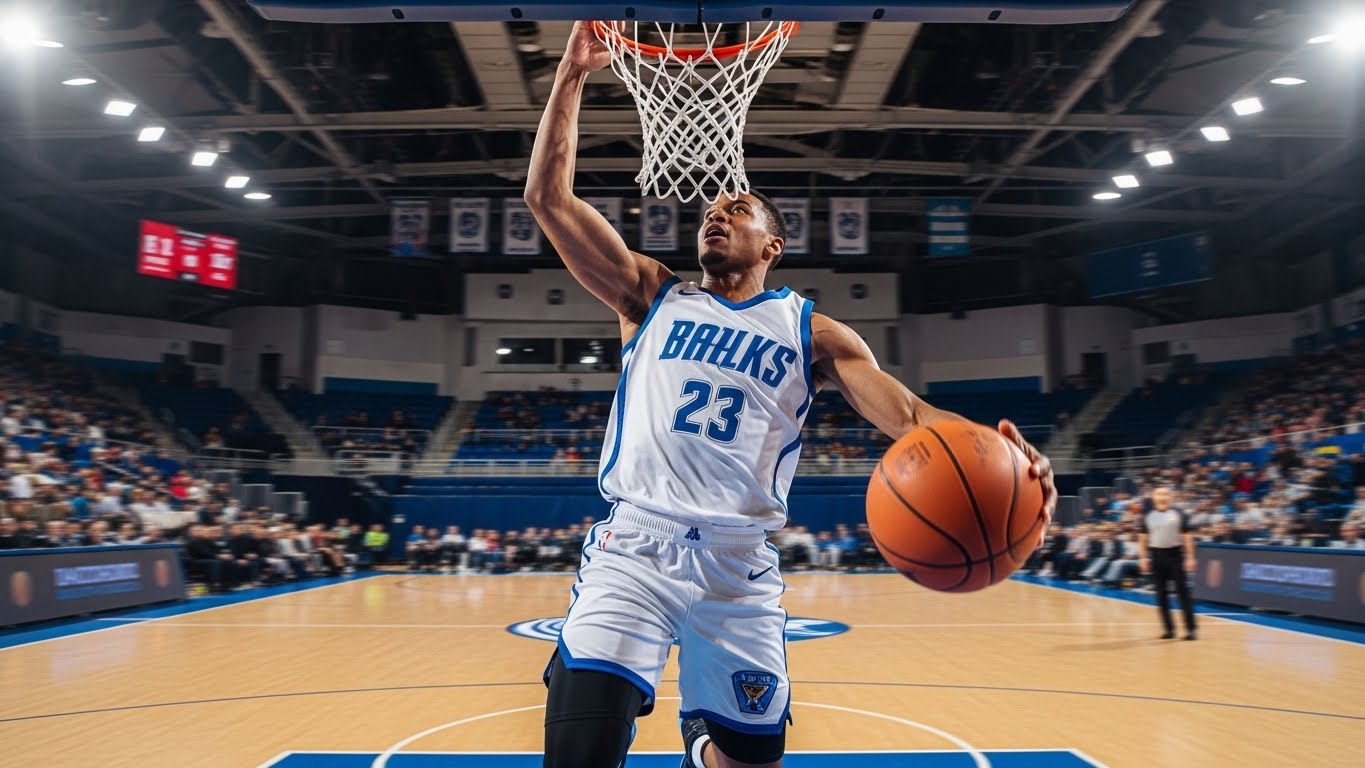
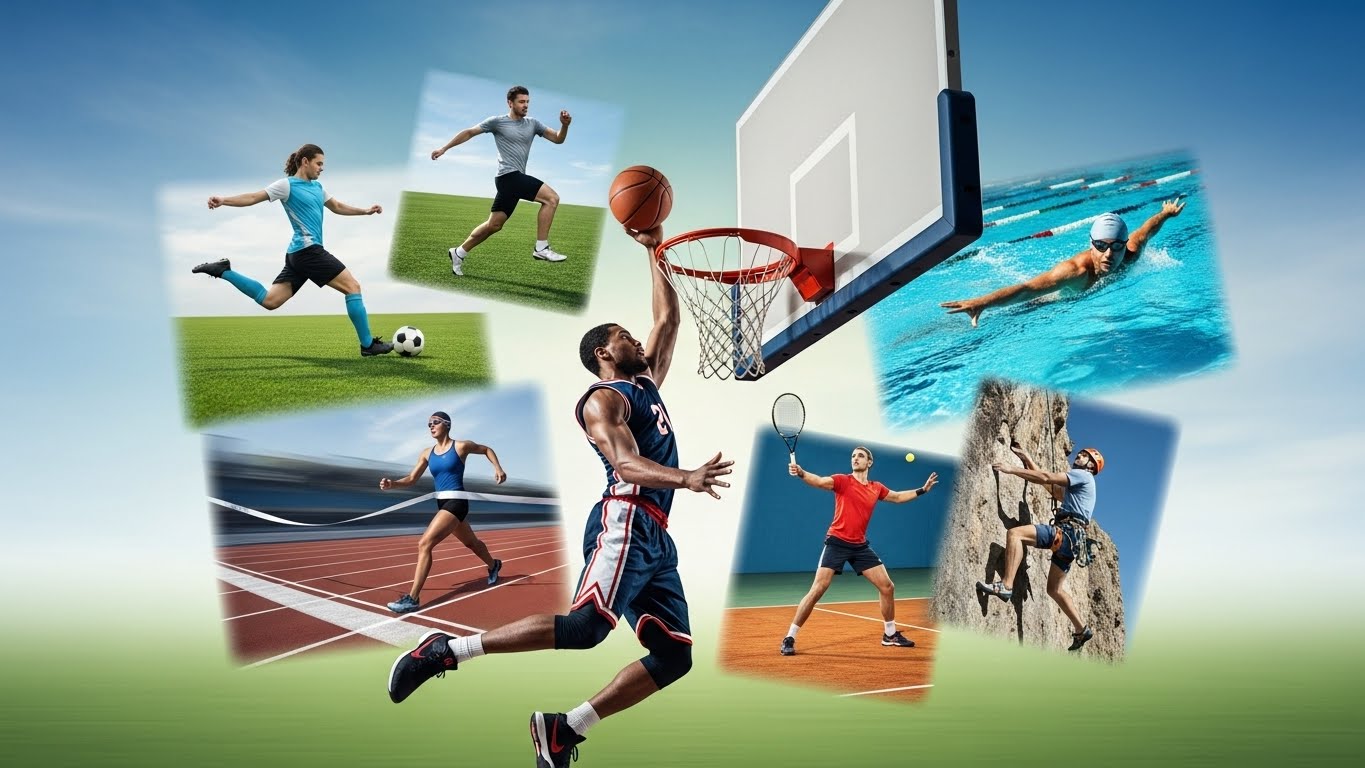
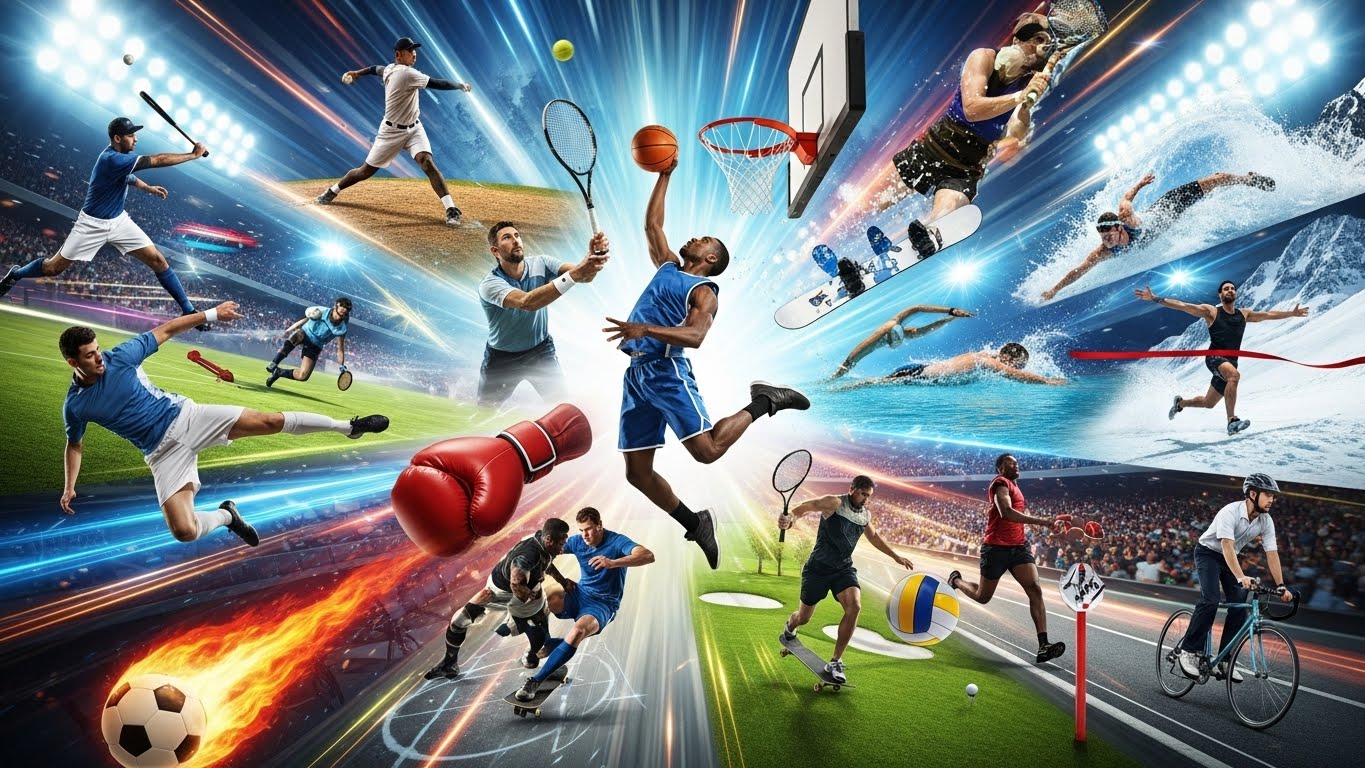
Sports have long been woven into the fabric of human culture. They are not only a form of entertainment but also a universal language that transcends borders, cultures, and generations. From young children learning teamwork on a playground to professional athletes competing at the highest levels, sports hold an extraordinary influence over how societies grow, connect, and evolve. This blog explores the multi-dimensional value of sports and the powerful ways they shape individuals and communities.
The Emotional Connection We Build With Sports
Every sport carries an emotional pulse. Whether it’s the electric atmosphere of a stadium, the tension of a championship match, or the personal commitment of training, sports create an emotional rhythm that resonates deeply. Fans develop strong attachments to teams and players, forming traditions that last for years. This emotional investment builds belonging, loyalty, and identity.
For athletes, sports become a channel for discipline, resilience, and self-expression. They push themselves to limits, discovering strength they didn’t know existed. These emotional experiences foster a mindset that carries into daily life—teaching perseverance, confidence, and the courage to rise after every fall.
Sports as a Tool for Physical and Mental Development
Physical health benefits of sports are widely recognized—stronger muscles, improved cardiovascular health, enhanced agility, and better overall fitness. But the mental and emotional benefits are equally profound.
Sports help sharpen cognitive functions such as strategic thinking, quick decision-making, and problem-solving. They reduce stress, release endorphins, and enhance mental clarity. For children, sports aid development of motor skills, social communication, and emotional regulation. For adults, they become a way to escape daily stressors, reconnect with joy, and build community.
This dual physical-mental impact is one of the strongest reasons sports remain essential throughout life.
The Role of Sports in Building Character and Values
Sports provide a real-world classroom where individuals learn values that shape character. Athletes—both amateur and professional—must master skills such as discipline, patience, communication, and leadership. Every competition becomes a lesson in humility, teamwork, and respect.
Winning teaches confidence and pride, while losing teaches acceptance and perseverance. Sports also encourage ethical behavior, fair play, and responsibility—traits that translate into professional and personal success. These values make sports an important foundation for educational systems and youth programs worldwide.
Teamwork: The Heartbeat of Every Sport
No matter the game, teamwork lies at its core. Even individual sports involve a network of support—coaches, trainers, mentors, and teammates who contribute to an athlete’s success. Working together for a shared goal teaches collaboration, trust, and communication.
Teamwork cultivated through sports helps people thrive in workplaces, families, and communities. It teaches individuals to support others, embrace diverse roles, and value the strengths of each contributor. This collective synergy makes sports one of the most powerful tools for building social unity.
Sports and Community: Strengthening Social Bonds
Sports unite communities in a way few other things can. Local clubs, school teams, and neighborhood tournaments encourage collective involvement and create social bridges. People come together to support athletes, celebrate victories, and share collective pride.
Major sporting events also strengthen city identity and bring economic benefits—through tourism, local business growth, and infrastructure development. Even informal games in parks or streets build friendships, reduce social isolation, and promote healthy lifestyles within communities.
In many regions, sports programs play a crucial role in keeping youth engaged, helping them avoid negative influences, and providing positive role models.
The Global Impact of Sports: Unity Across Borders
International sports competitions demonstrate the ability of sports to transcend political, cultural, and geographical boundaries. Events like world championships and international tournaments bring nations together under one shared passion. These moments of unity foster global goodwill and mutual respect.
Athletes often become ambassadors of their nations, showcasing values, traditions, and the spirit of their people. Sports diplomacy has also played a key role in easing tensions between nations, proving that shared passion can bridge even the widest divides.
The Rise of Technology and Modern Sports
The sporting world has transformed with technological advancements. Wearable sensors, performance analytics, virtual training environments, and advanced recovery methods are changing how athletes train and compete. Technology enhances skill development, injury prevention, and fan engagement.
Broadcast innovations and digital platforms allow fans worldwide to follow their favorite sports in real time, making the sporting world more accessible than ever. This evolution is expanding opportunities for athletes and creating new roles in sports industries such as analytics, esports, digital coaching, and sports science.
The Influence of Sports on Youth Development
For young people, sports are often a turning point. Participation improves academic performance, boosts confidence, and teaches goal-setting. Youth sports programs offer safe spaces where children learn life skills, experience teamwork, and build lifelong friendships.
Sports also provide equal opportunities to children from different social backgrounds. They break down barriers, promote diversity, and inspire ambition. For many young athletes, sports become pathways to scholarships, careers, and personal empowerment.
Women in Sports: Empowerment Through Competition
Women’s sports continue to grow in recognition, influence, and participation. Female athletes are breaking records, challenging stereotypes, and inspiring millions. Their presence highlights equality, empowerment, and the importance of representation.
Sports provide women with powerful platforms to showcase their talent, strength, and leadership. Progress is still ongoing, but increasing support for women’s teams and events is transforming the sports landscape into a more inclusive and balanced space.
Overcoming Challenges: What Sports Teach Us About Life
Every athlete faces challenges—injuries, pressure, competition, and personal obstacles. Sports teach individuals to confront these challenges with courage, patience, and determination. The process of training day after day, pushing through fatigue, and rising after setbacks mirrors the realities of life.
Sports show us that progress is gradual, success requires effort, and growth comes from adversity. This mindset becomes invaluable in navigating life’s difficulties, making sports a lifelong teacher.
The Future of Sports: What Lies Ahead
As the world evolves, sports continue to adapt and grow. New forms of athletic competition are emerging, such as esports, adaptive sports for people with disabilities, and hybrid competitive events that combine technology with traditional skills.
With increasing global connectivity, young athletes have more access to training resources, coaching, and global platforms. The future of sports will likely focus on inclusivity, innovation, sustainability, and enhanced fan experiences.
Whether through smart stadiums, virtual reality training, or expanded global leagues, sports are poised to become more immersive and accessible than ever.
Conclusion: The Timeless Power of Sports
Sports remain one of humanity’s most powerful forces. They shape character, strengthen communities, and connect the world in ways few other activities can. Beyond competition, sports carry lessons of teamwork, resilience, unity, and joy. They remind us that effort matters, that challenges can be overcome, and that together we can achieve more than we ever could alone.
Whether played professionally or casually, sports continue to inspire and uplift people of all ages—making them a timeless pillar of human life.