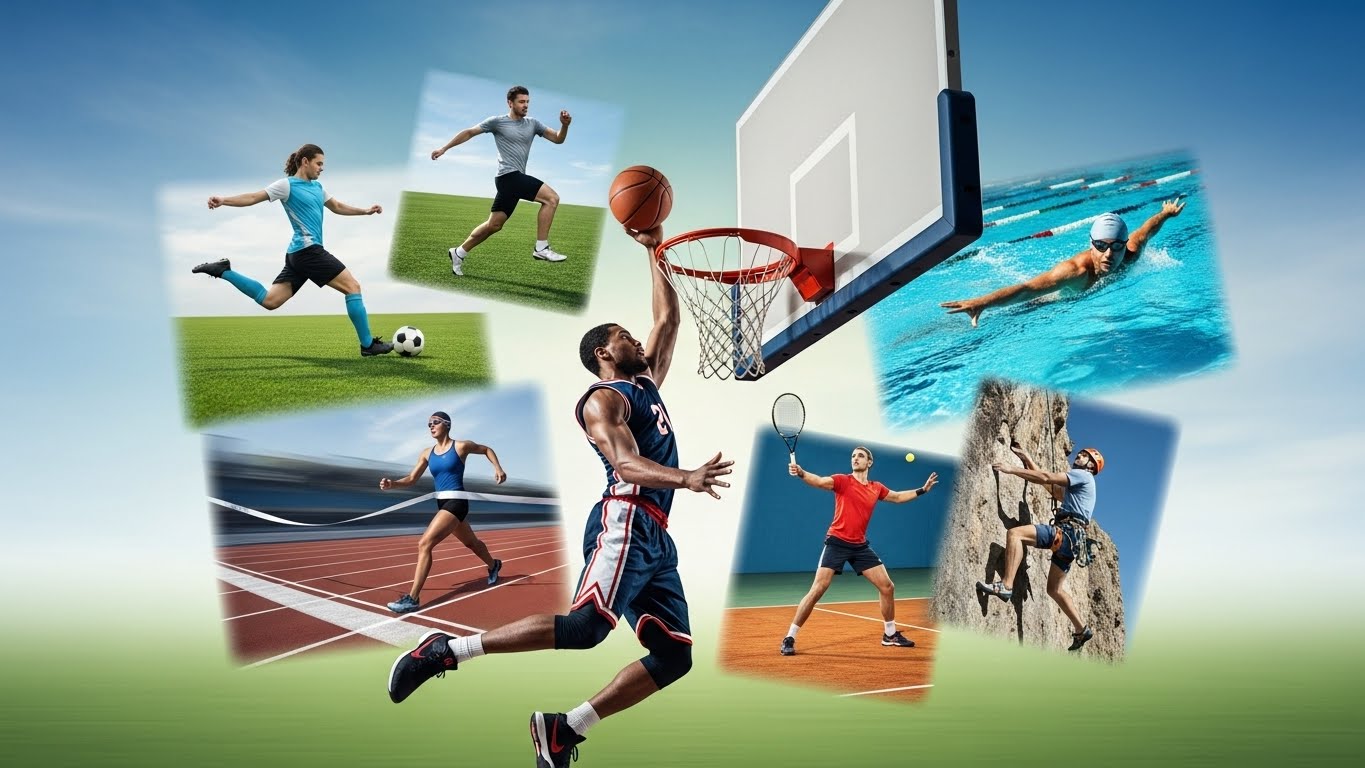

Sports have always been more than just games. They are a reflection of human ambition, resilience, and creativity. From ancient competitions to modern professional leagues, sports have shaped societies, inspired individuals, and brought communities together. Beyond physical activity, sports teach discipline, teamwork, leadership, and perseverance. This blog explores the evolution of sports, their impact on culture, health, society, and the future of athletic pursuits.
The Origins of Sports
Sports have existed for thousands of years, tracing back to early civilizations where physical contests were both entertainment and a way to demonstrate skill and strength. Ancient Greeks organized the Olympic Games in 776 BCE, celebrating athletic prowess, honor, and competition.
Other civilizations, including the Egyptians, Romans, and Chinese, developed their own sports, from wrestling and chariot racing to martial arts and archery. These early contests were often tied to religious rituals, cultural celebrations, or military training, illustrating that sports have always been a reflection of societal values.
The Evolution of Modern Sports
Over centuries, sports evolved from informal competitions into organized activities with rules, teams, and governing bodies. The 19th and 20th centuries saw the standardization of rules for sports like soccer, cricket, and baseball, transforming them into global phenomena.
Modern sports emphasize fair play, skill development, and entertainment. Professional leagues, national tournaments, and international competitions have elevated sports into multi-billion-dollar industries, attracting millions of fans worldwide. The evolution of sports highlights the blend of physical skill, strategy, and cultural significance.
The Physical Benefits of Sports
Participating in sports offers numerous physical benefits. Regular physical activity improves cardiovascular health, strengthens muscles and bones, enhances flexibility, and boosts immune function. Sports also promote weight management, reduce the risk of chronic illnesses, and increase overall longevity.
Sports such as swimming, running, football, and basketball provide aerobic exercise, while activities like gymnastics, yoga, and martial arts improve balance, coordination, and core strength. Engaging in sports from a young age encourages lifelong healthy habits, contributing to physical well-being.
Mental and Psychological Benefits
Sports have a profound impact on mental health. Physical activity releases endorphins, reducing stress, anxiety, and depression. The challenges presented in sports improve resilience, concentration, and problem-solving abilities.
Team sports, in particular, foster social interaction, cooperation, and emotional intelligence. Players learn to manage competition, handle victories and defeats gracefully, and develop a sense of purpose and achievement. The psychological benefits of sports complement their physical advantages, promoting holistic wellness.
Sports and Social Connection
Sports serve as a powerful tool for social cohesion. From local community leagues to global tournaments, they bring people together, creating shared experiences and a sense of belonging. Spectatorship fosters community pride, whether cheering for a hometown team or supporting a national squad.
Beyond spectatorship, sports encourage collaboration and teamwork. Athletes learn communication, leadership, and conflict resolution skills while participating in group activities. Sports also provide opportunities for mentorship, youth development, and community engagement, highlighting their social value.
The Role of Sports in Education
Educational institutions have long recognized the importance of sports. School and college athletics programs encourage physical activity, discipline, and character development. Student-athletes learn time management, goal setting, and resilience, skills that extend beyond the playing field.
Sports programs in schools also promote inclusivity and equal opportunity, providing avenues for children from diverse backgrounds to participate, develop talents, and build confidence. Education and sports together cultivate well-rounded individuals prepared for personal and professional success.
Professional Sports and Global Impact
Professional sports have transformed into a global industry, influencing culture, economy, and media. Leagues like the NFL, NBA, Premier League, and international events such as the FIFA World Cup and the Olympics attract billions of viewers, generating significant revenue through ticket sales, broadcasting rights, sponsorships, and merchandising.
Professional athletes become role models, inspiring fans and communities. Their dedication, skill, and perseverance demonstrate the rewards of hard work, while their public influence extends to social causes, philanthropy, and advocacy. The global reach of professional sports underscores their cultural and economic significance.
Sports as a Cultural Phenomenon
Sports reflect and shape culture. They convey values such as fairness, teamwork, resilience, and excellence. Sporting events celebrate national pride, cultural heritage, and unity, bringing people together across divisions.
Major sporting events often transcend the game itself. They influence fashion, music, entertainment, and social movements. Athletes and sports figures become cultural icons, shaping societal norms and inspiring generations to pursue dreams, embrace challenges, and contribute to their communities.
Technology in Sports
Technology has revolutionized both the playing and viewing experience of sports. Equipment innovations enhance safety, performance, and precision, from high-tech footwear to advanced protective gear. Video analysis, wearable sensors, and data analytics provide coaches and athletes with insights to improve skills, tactics, and strategy.
Broadcast technology allows fans worldwide to experience live events in real-time, while virtual reality and augmented reality are beginning to transform how audiences engage with sports. Technology bridges the gap between athletes and fans, making sports more interactive, accessible, and immersive than ever before.
Women in Sports
Women’s participation in sports has grown dramatically, breaking barriers and challenging stereotypes. Female athletes excel across disciplines, from tennis and gymnastics to football, athletics, and martial arts. Organizations and international events, including the FIFA Women’s World Cup and the Women’s Olympics, highlight talent, competitiveness, and sportsmanship.
Increased visibility of women in sports promotes gender equality, inspires young athletes, and encourages broader societal change. Empowering women in athletics demonstrates that sports can be a platform for social progress and inclusion.
Adaptive Sports and Inclusivity
Adaptive sports provide opportunities for individuals with disabilities to participate, compete, and thrive. Paralympic Games, Special Olympics, and various adaptive programs showcase skill, determination, and perseverance.
Inclusive sports foster confidence, social engagement, and physical fitness, emphasizing that athletic achievement is not limited by ability. Adaptive sports exemplify the transformative power of sports to promote equality, challenge perceptions, and celebrate human potential.
Sports and Leadership
Sports cultivate leadership skills that extend beyond the field. Captains and team leaders learn to motivate peers, make strategic decisions, and navigate complex dynamics. Athletes develop accountability, responsibility, and the ability to inspire others.
Leadership in sports also translates to professional and community contexts. Skills gained through coaching, teamwork, and competition contribute to personal growth, career development, and societal engagement. Sports serve as a practical training ground for leadership and character development.
Challenges in Sports
Despite their many benefits, sports face challenges. Injuries, overtraining, and physical strain are common risks for athletes. Mental health issues, including performance anxiety, stress, and burnout, require attention and support.
Issues such as doping, corruption, and unfair competition threaten the integrity of sports. Ensuring inclusivity, accessibility, and fair play remains a priority for governing bodies and communities. Addressing these challenges is essential to maintain the positive impact and credibility of sports worldwide.
The Future of Sports
The future of sports is shaped by innovation, inclusivity, and global connectivity. Emerging technologies like AI-driven analytics, virtual reality, and smart equipment will enhance performance, training, and fan engagement.
Sports will continue to evolve, with increased opportunities for women, adaptive athletes, and underrepresented communities. Sustainability, ethical practices, and global collaboration will define the next era of sports, ensuring that athletic pursuits remain a source of inspiration, health, and unity.
Conclusion
Sports are more than competitions—they are reflections of human potential, culture, and community. They promote physical health, mental well-being, teamwork, leadership, and social cohesion. From ancient contests to modern professional leagues, sports continue to inspire, unite, and empower individuals across the globe.
Engaging in sports teaches resilience, discipline, and perseverance, while spectating fosters connection, pride, and cultural identity. As technology and inclusivity continue to expand the possibilities, sports will remain a transformative force, shaping lives, societies, and the world.
The spirit of sports is universal: a celebration of human strength, creativity, and determination. It reminds us that beyond the game lies the power to connect, inspire, and achieve greatness together.