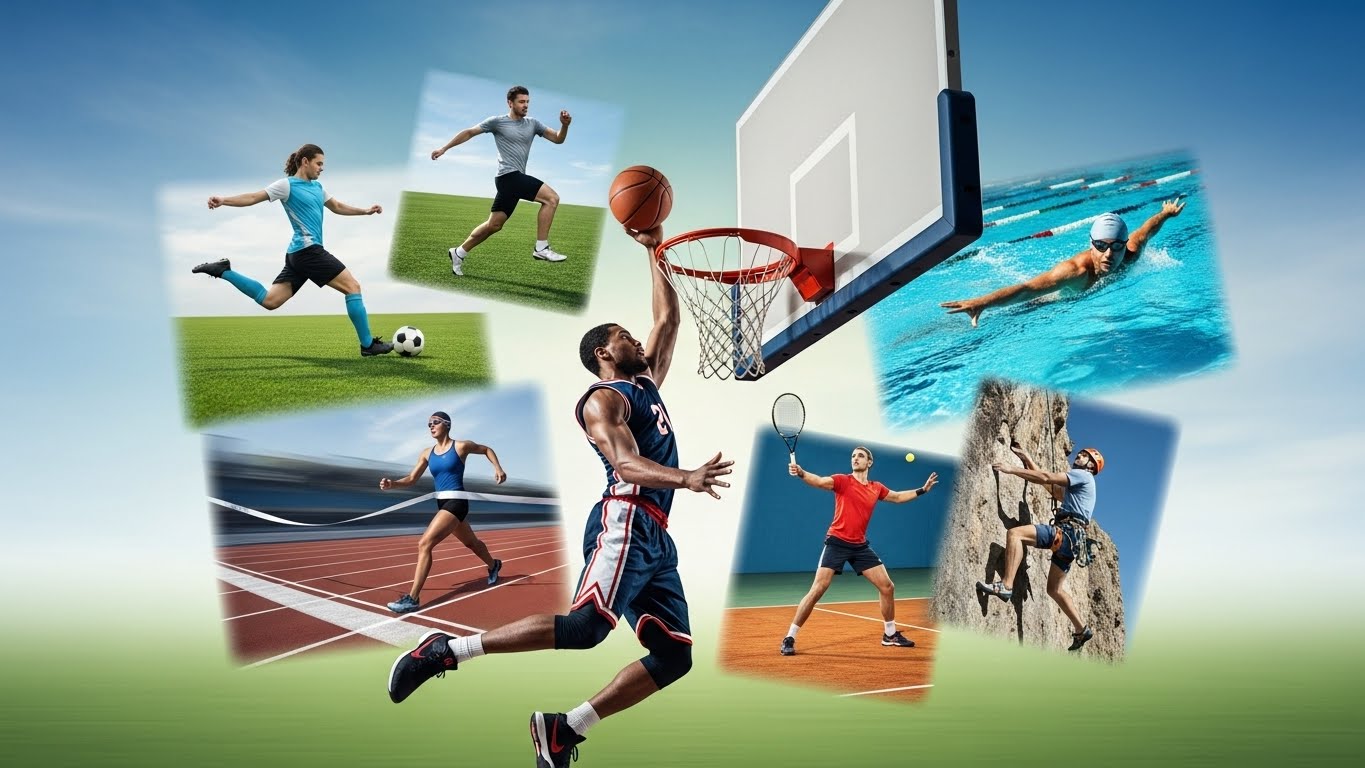
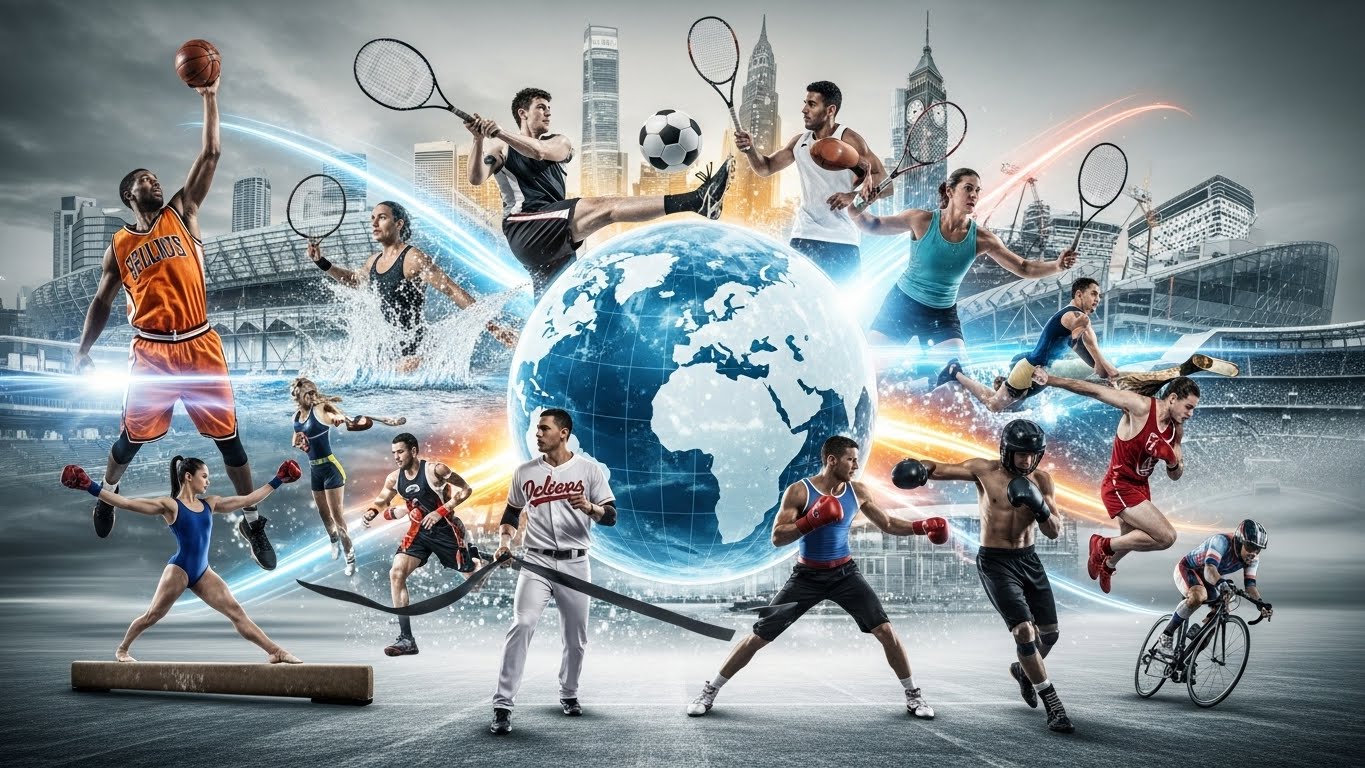
Sports have been an integral part of human culture for thousands of years, transcending geographical boundaries, language barriers, and social classes. Whether it’s the roar of the crowd in a football stadium or the quiet concentration of an athlete at the starting line, sports evoke emotions that are universal. From a simple game of catch to the grandeur of the Olympic Games, sports have a unique ability to unite people, foster discipline, and provide a sense of purpose. This blog post delves into the role of sports in society, the benefits they offer, and the ways in which they continue to shape both individual lives and collective communities.
The Deep Roots of Sports: A Cultural Foundation
The origins of sports can be traced back to ancient civilizations, where athletic competitions were not only seen as a form of recreation but also as an essential part of religious and social practices. Ancient Greece, the birthplace of the Olympic Games, celebrated physical excellence and competition as a way of honoring the gods. The Olympics, which began in 776 BCE, were a testament to the Greeks’ belief in the power of sport to cultivate discipline, unity, and individual achievement.
Similarly, other ancient cultures, such as the Mayans and Egyptians, also had their own forms of sports, often tied to religious or ceremonial significance. These early competitions were more than just games; they were reflections of a culture’s values, beliefs, and desire for human connection.
As history progressed, the role of sports evolved. In medieval Europe, for example, jousting tournaments became popular among the nobility, while other forms of physical activity, such as archery, sword fighting, and hunting, were part of the training for knights. Over time, organized team sports, such as soccer and rugby, began to emerge in the 19th century, further establishing sports as a fundamental aspect of society.
Today, sports are no longer just for the elite. They are part of everyday life for millions of people around the world, transcending cultural and economic divides. The universal appeal of sports continues to make it an essential part of human society.
The Role of Sports in Building Communities
One of the most remarkable aspects of sports is their ability to bring people together. Whether it’s a neighborhood basketball game or the support for a national team during an international competition, sports have a way of fostering community spirit. This is particularly evident in team sports, where cooperation, communication, and trust are essential to success.
In local communities, sports serve as a gathering point, a place where people of all ages and backgrounds can come together, share common goals, and celebrate achievements. A small town’s soccer team or a youth baseball league can be the heart and soul of a community, providing not only entertainment but also a sense of belonging. The friendships and connections formed through sports often last a lifetime, offering a space for individuals to form bonds outside of the pressures of work, school, or social expectations.
On a larger scale, sports play a critical role in national identity and pride. International events, such as the FIFA World Cup, the Olympics, and the Super Bowl, unite countries and cultures in the celebration of athletic achievement. Fans from different backgrounds and nationalities, who may otherwise never interact, find common ground in their shared love for their teams and athletes. The spectacle of global sporting events also has the power to bridge political, racial, and cultural divides, promoting peace and understanding through the shared experience of sport.
Moreover, sports can create a sense of community even in the face of adversity. After natural disasters, for example, sporting events often serve as a means of healing and rebuilding social cohesion. The emotional highs and lows experienced by fans and players alike bring people together, creating a collective sense of hope and resilience.
The Benefits of Sports: Beyond the Physical
While the physical benefits of sports are widely recognized—improving cardiovascular health, strength, and flexibility—sports offer far more than just physical fitness. The mental, emotional, and social benefits of participating in sports are equally profound, making it a holistic activity that contributes to overall well-being.
1. Mental Health and Stress Relief
Sports are known to have a significant impact on mental health. The physical activity involved in sports releases endorphins, which are chemicals in the brain that promote feelings of happiness and reduce stress. Whether it’s through the intensity of a competitive match or the meditative calm of a solo sport like running or swimming, sports can serve as a powerful tool for managing stress and anxiety.
For many athletes, sports provide an escape from the pressures of daily life. They offer a space where individuals can focus entirely on the task at hand, leaving behind worries about work, school, or personal issues. The mental focus required in sports also helps improve cognitive function, memory, and concentration, which can have a positive impact on other areas of life.
2. Building Discipline and Resilience
Sports teach valuable life skills such as discipline, perseverance, and resilience. Athletes must dedicate time and effort to training, often making sacrifices in order to achieve their goals. Whether it’s waking up early for practice, pushing through physical exhaustion, or staying focused during a long season, sports instill a strong work ethic that can translate to other aspects of life.
Moreover, sports teach athletes how to handle failure. Not every game is won, and not every performance is perfect. The ability to bounce back from defeat, learn from mistakes, and continue striving for improvement is a vital skill that is developed through sports. Resilience built on the playing field can help individuals tackle challenges in their personal and professional lives with the same determination.
3. Social Skills and Teamwork
One of the most valuable aspects of sports is the opportunity to work with others. In team sports, athletes must communicate effectively, trust their teammates, and work together toward a common goal. These social skills—collaboration, empathy, and leadership—are transferable to many aspects of life, from the workplace to family relationships.
Sports also provide an avenue for individuals to build lasting friendships. Whether it’s joining a local sports league, participating in recreational activities, or forming teams with people who share similar interests, sports foster connections that can lead to strong, supportive relationships. For many, these connections provide a sense of camaraderie and support that extends beyond the sports arena.
The Evolution of Sports in the Digital Age
In recent years, technology has radically transformed the sports landscape. From the rise of esports to the use of data analytics and wearable technology, the way we experience and engage with sports has evolved significantly.
1. Esports: A New Frontier
Esports, or competitive video gaming, has quickly become one of the most popular forms of entertainment globally. Professional gamers compete in organized tournaments, often for large cash prizes, and attract millions of viewers. Esports has created new career opportunities for players, coaches, commentators, and organizers, and has sparked the growth of online communities where fans can engage with their favorite players and teams.
Though esports is a relatively new phenomenon compared to traditional sports, its rapid growth and widespread popularity suggest that it will continue to play a major role in the future of sports. In fact, esports has been recognized as a legitimate form of competition, with discussions about its inclusion in the Olympic Games gaining traction.
2. Data and Analytics in Sports Performance
Another area where technology has made a significant impact is in sports performance. Athletes and teams are now using data analytics to gain a competitive edge. From tracking players’ physical movements on the field to analyzing performance metrics such as speed, endurance, and efficiency, data-driven insights are helping coaches and athletes make more informed decisions.
Wearable technology, such as smartwatches and fitness trackers, has also become an essential part of an athlete’s training regimen. These devices allow athletes to monitor their health, track their progress, and optimize their performance. By providing real-time feedback, wearable technology empowers athletes to make adjustments and improve their overall fitness and performance.
The Future of Sports: A Continuum of Innovation
The future of sports is bright, with innovations in technology, infrastructure, and accessibility set to reshape the landscape. As we continue to embrace new forms of competition, such as esports, and incorporate advanced technology into training and performance, the essence of sports will remain unchanged. The core values of sports—discipline, unity, perseverance, and passion—will continue to resonate with individuals and communities around the world.
Sports will continue to serve as a powerful tool for personal development, a source of entertainment, and a catalyst for social change. Whether through the rise of virtual competitions, the continued integration of data analytics, or the expansion of opportunities for all athletes, the future of sports will remain grounded in the belief that the human spirit is capable of extraordinary achievement.
Conclusion: Sports as a Universal Language
Sports have an incredible ability to connect people, break down barriers, and inspire greatness. Whether it’s through the discipline of an athlete’s training or the joy of watching a game unfold, sports offer a powerful reminder of the importance of unity, passion, and perseverance.
From ancient traditions to modern global competitions, sports have shaped cultures, built communities, and transformed lives. As we move into the future, the enduring power of sports will continue to uplift individuals, inspire nations, and promote a shared sense of humanity.