
Introduction
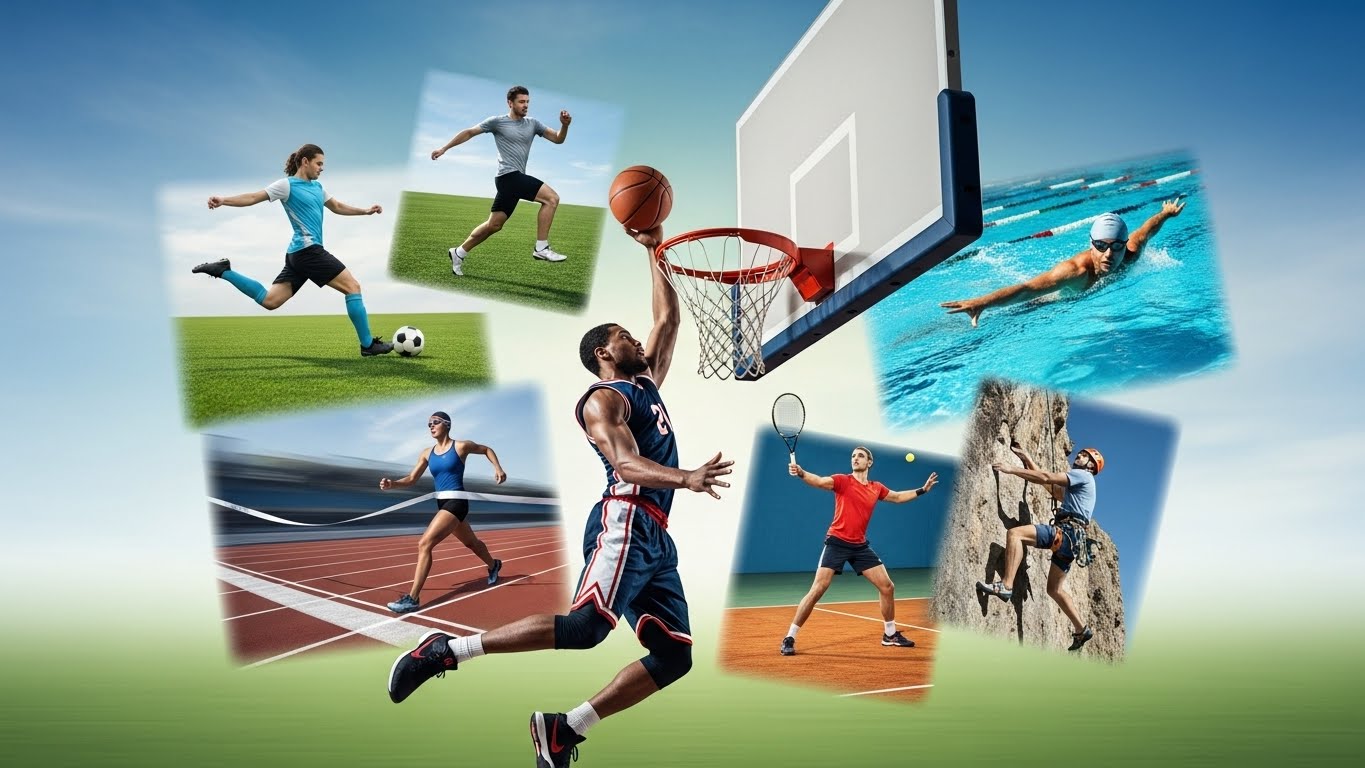
Sports are an integral part of human life, going far beyond physical activity or competition. They represent discipline, perseverance, teamwork, and the pursuit of excellence. From neighborhood playgrounds to international arenas, sports have the power to shape individuals and communities. They inspire personal growth, build character, and unite people across cultures. In today’s world, sports influence education, health, economy, and culture, making them much more than just games—they are a reflection of society itself.
The Historical Evolution of Sports
Sports have existed in some form for thousands of years. Ancient civilizations, such as Greece, Rome, and Egypt, held competitions to test strength, agility, and strategy. The first recorded Olympic Games in 776 BC symbolized unity, honor, and athletic excellence. Over time, sports evolved from informal activities to organized competitions with standardized rules. Modern sports such as football, basketball, cricket, and athletics emerged with professional leagues, international tournaments, and global fanbases. The evolution of sports reflects humanity’s constant desire to challenge limits, celebrate achievement, and bring people together.
Physical Benefits of Sports
The physical benefits of sports are well-documented. Regular participation strengthens muscles, improves cardiovascular health, enhances flexibility, and boosts endurance. It reduces the risk of chronic diseases such as diabetes, obesity, and heart conditions. Sports encourage an active lifestyle, helping individuals maintain healthy body weight and overall fitness. Beyond individual benefits, a culture of physical activity contributes to healthier communities, reducing healthcare burdens and promoting longevity.
Mental and Emotional Benefits of Sports
Sports are equally valuable for mental health. They foster focus, resilience, and discipline while teaching individuals to handle success and failure gracefully. Competing under pressure improves decision-making and problem-solving skills. Sports also boost self-esteem and provide a sense of accomplishment. Team-based activities encourage social interaction, empathy, and communication skills. By developing both mental and emotional resilience, sports prepare individuals for challenges on and off the field.
Sports as a Cultural Force
Sports play a significant role in shaping culture. They unite communities, promote shared identity, and reflect societal values. Local teams foster community pride, while national teams inspire patriotism. International competitions such as the Olympics, FIFA World Cup, and Commonwealth Games captivate billions and create shared cultural experiences. Sports influence music, fashion, and media, reflecting trends and shaping social narratives. They act as a universal language that transcends borders and connects people across generations.
Economic Impact of Sports
Sports contribute significantly to the global economy. Professional leagues, tournaments, and sporting events generate revenue through ticket sales, broadcasting rights, sponsorships, and merchandise. Sports tourism attracts millions of visitors annually, boosting local economies and creating employment. Investments in stadiums, training facilities, and youth programs stimulate economic activity and nurture talent. Industries related to sports, such as apparel, equipment, and digital gaming, thrive due to the popularity of athletics. Sports have become an essential economic driver worldwide.
Technological Advancements in Sports
Technology has transformed how sports are played and experienced. Wearable devices, motion sensors, and performance tracking tools enable athletes to monitor and improve their fitness and technique. Video analysis and instant replay systems ensure fair play and help teams develop strategies. Virtual reality and augmented reality create immersive fan experiences, while digital platforms allow fans to watch live events from anywhere. Technology also makes sports more inclusive, with adaptive equipment enabling differently-abled athletes to participate and excel.
Women in Sports: Breaking Barriers
Women have historically faced barriers in sports, but they are now making remarkable strides. Female athletes are breaking records, challenging stereotypes, and advocating for equality. The rise of events like the Women’s World Cup, WNBA, and women’s cricket leagues highlights the growing visibility and influence of women in sports. Gender equality in athletics empowers women, promotes inclusivity, and inspires younger generations. Women’s achievements in sports continue to redefine societal perceptions of leadership, resilience, and talent.
Youth and Grassroots Sports
Grassroots programs are essential for nurturing talent and promoting lifelong participation in sports. Early engagement teaches teamwork, discipline, perseverance, and leadership. Schools, community organizations, and local clubs provide platforms for skill development and competition. Youth participation fosters physical fitness, mental growth, and social skills, creating a foundation for professional careers and lifelong health. Investment in grassroots sports ensures that communities remain active, healthy, and engaged.
Sports and Education
Sports complement education by supporting holistic development. Students involved in school and college athletics improve focus, time management, and teamwork. Scholarships provide opportunities for talented athletes to pursue higher education while developing their sporting careers. Incorporating sports into educational programs fosters discipline, resilience, and strategic thinking. Combining academics and athletics equips young people with essential life skills for personal and professional success.
Sports and Mental Health
Engaging in sports has a profound impact on mental well-being. Physical activity releases endorphins, improving mood and reducing stress, anxiety, and depression. Team sports encourage social connections, reducing feelings of isolation. Competitive sports teach patience, emotional regulation, and goal-setting. Recreational sports provide stress relief and a sense of achievement. Sports thus play a vital role in supporting mental and emotional health at every stage of life.
Global Competitions and International Unity
International sporting events unite people from diverse cultures and backgrounds. The Olympics, FIFA World Cup, and other global competitions celebrate talent, perseverance, and sportsmanship while promoting mutual understanding. Athletes serve as ambassadors of their nations, fostering cultural exchange and goodwill. Sports diplomacy often helps bridge social and political divides. These competitions demonstrate that sports have the power to inspire cooperation, peace, and global unity.
The Role of Media in Sports
Media plays a central role in shaping sports culture. Television, radio, print, and digital platforms provide live coverage, commentary, and analysis. Social media allows athletes to interact directly with fans, share their experiences, and build personal brands. Media coverage amplifies the economic, cultural, and social impact of sports, influencing sponsorships, fan engagement, and public perception. The relationship between sports and media has redefined how fans experience and interact with athletics worldwide.
Challenges in Modern Sports
Sports face challenges that threaten integrity and accessibility. Issues such as doping, match-fixing, corruption, and commercialization can overshadow athletic achievement. Athletes face mental and physical pressure that may lead to burnout. Inequality in access to resources, training, and infrastructure limits participation in some regions. Environmental concerns from large-scale events, such as waste and energy consumption, require attention. Addressing these challenges demands ethical governance, transparency, and a commitment to social responsibility.
The Rise of E-Sports
E-sports, or competitive gaming, has emerged as a major branch of modern sports. It combines traditional principles of competition, strategy, and teamwork with digital platforms. E-sports tournaments attract global audiences, professional opportunities, and significant prize money. This emerging field demonstrates the evolving definition of sports and provides inclusive opportunities for younger generations to engage in competitive, skill-based activities.
The Future of Sports
The future of sports is poised for innovation, inclusivity, and sustainability. Advances in technology, including artificial intelligence, virtual reality, and wearable performance trackers, will enhance training, performance, and fan engagement. Adaptive sports for differently-abled athletes will continue to grow. Global sporting events will increasingly focus on environmental sustainability and ethical practices. Traditional sports, digital engagement, and innovation will combine to create new opportunities for participation, competition, and entertainment.
Conclusion
Sports are much more than competitions—they are a reflection of human resilience, creativity, and unity. They promote physical health, mental well-being, social connection, cultural identity, and economic growth. From grassroots programs to international tournaments, sports inspire excellence, build character, and unite people worldwide. As technology, inclusivity, and innovation continue to shape the sporting world, the essence of sports remains timeless: they challenge individuals, foster community, and celebrate the human spirit. Supporting sports at all levels ensures that their transformative power continues to benefit society for generations to come.