Introduction: More Than Just a Game
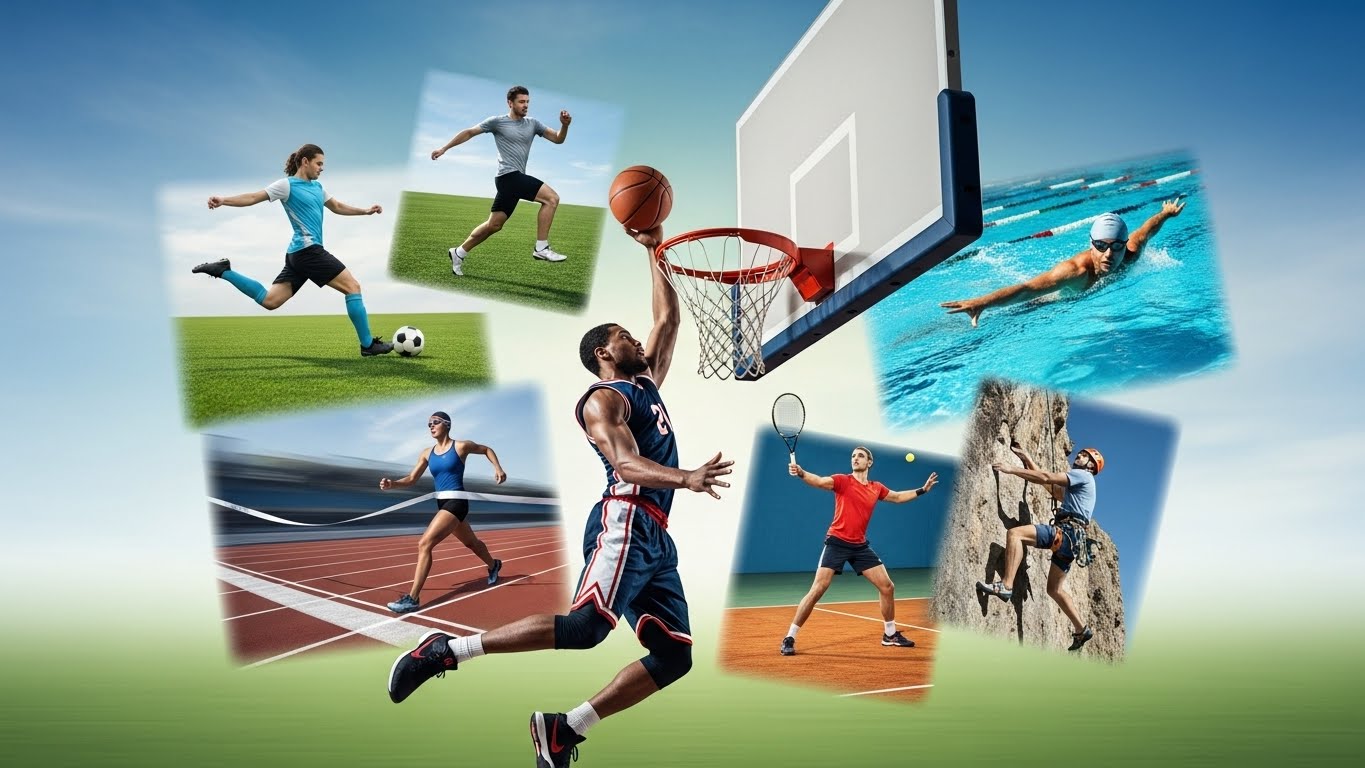
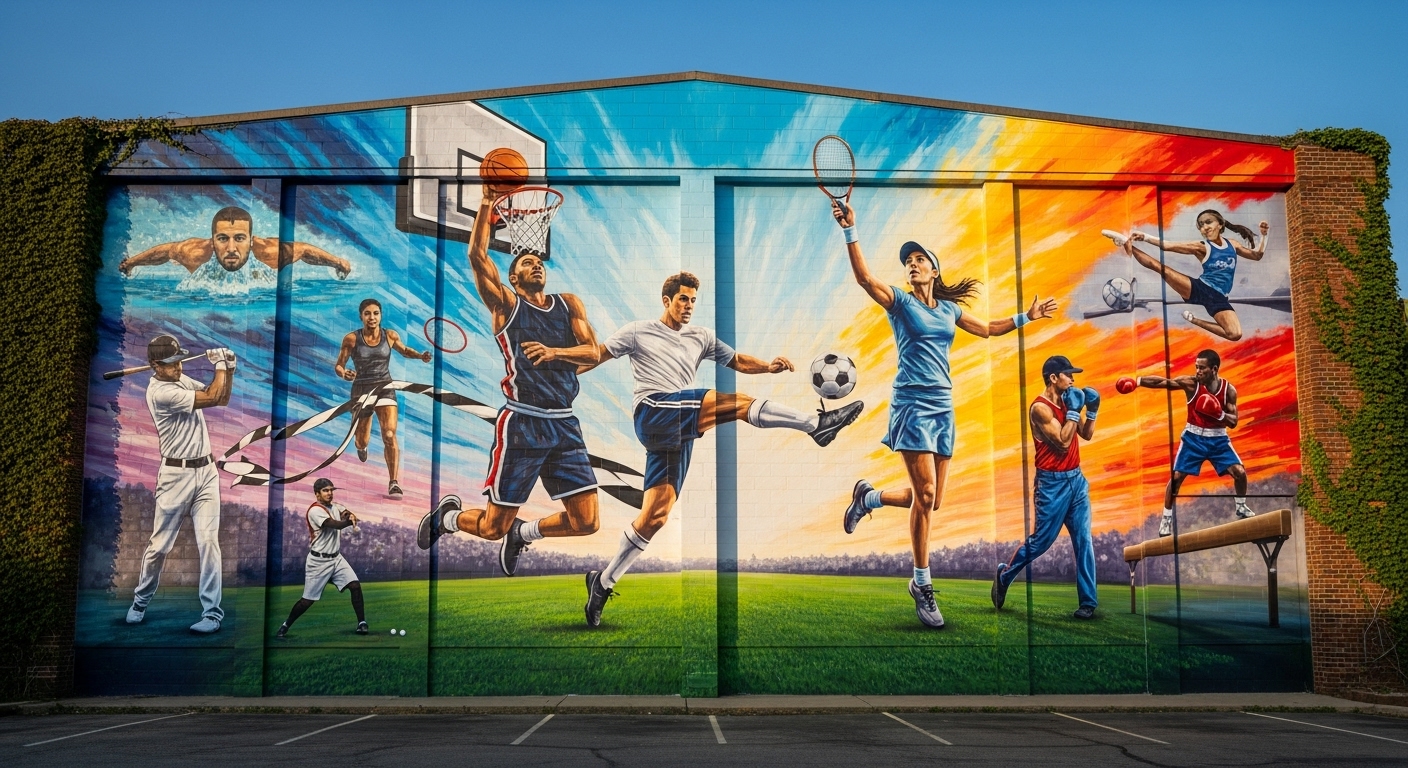
Sports are an integral part of human culture, representing more than physical activity or recreation. They are a reflection of human spirit, discipline, teamwork, and resilience. Across the world, sports inspire individuals, bring communities together, and foster a sense of unity and pride. They serve as a platform for personal growth, social development, and even national identity. From local playgrounds to global arenas, sports influence lives in ways that extend far beyond the playing field.
The Evolution of Sports: From Ancient Times to Modern Competitions
The history of sports stretches back thousands of years. Ancient civilizations celebrated athletic contests as part of cultural and religious traditions. The Olympic Games in Greece, wrestling in Mesopotamia, and martial arts in China all showcased physical strength, skill, and strategic thinking. Over centuries, these practices evolved into structured competitions with codified rules, teams, and international governing bodies. Today, sports encompass traditional disciplines like football, cricket, and athletics, alongside newer forms such as extreme sports and esports, reflecting human creativity and adaptability.
Physical Health Benefits of Sports
Participation in sports offers significant physical health benefits. Regular activity strengthens the cardiovascular system, builds muscles and bones, and enhances flexibility and coordination. Engaging in sports helps maintain a healthy weight, reduces the risk of chronic diseases such as diabetes and heart disease, and promotes overall longevity. Beyond structured exercise, sports encourage active lifestyles, inspiring individuals to incorporate movement and fitness into daily routines. Whether it is running, swimming, cycling, or team-based activities, the physical rewards of sports are undeniable.
Mental Health and Emotional Wellbeing
Sports contribute significantly to mental and emotional wellbeing. Physical activity releases endorphins, which reduce stress and improve mood. Participation in sports boosts self-confidence, encourages perseverance, and helps individuals develop resilience in the face of challenges. Team sports foster camaraderie, build social connections, and combat feelings of isolation. They also provide a constructive outlet for managing emotions, channeling energy positively, and developing a strong sense of achievement and purpose.
Youth Development Through Sports
Sports play a crucial role in the development of young people. Participation teaches valuable life skills such as teamwork, leadership, discipline, and time management. Children and teenagers learn how to handle victories and defeats, develop goal-setting abilities, and cultivate self-motivation. Sporting programs in schools and communities offer structured activities that help youth develop both physically and emotionally. Sports also provide opportunities to instill values such as fairness, respect, and dedication, forming the foundation for lifelong growth and success.
Social Cohesion and Community Building
Sports have a unique ability to unite people across social, economic, and cultural divides. Community sports leagues, school tournaments, and local competitions foster interactions and relationships that strengthen social cohesion. Spectatorship, whether in stadiums or through media coverage, creates a sense of shared experience and collective pride. International competitions such as the Olympics or World Cup bring together nations, promoting diplomacy, understanding, and cultural exchange. Sports remind us that human connection transcends differences, offering a universal language of passion and collaboration.
Professional Sports: Careers and Opportunities
Professional sports have evolved into a global industry that offers diverse career opportunities. Elite athletes dedicate years of training to achieve excellence and compete at the highest levels. Beyond athletes, sports create professions in coaching, sports medicine, event management, media, and analytics. Sponsorships, endorsements, and broadcasting rights contribute to economic growth and professional development. Professional sports demonstrate that talent, discipline, and dedication can translate into meaningful careers, inspiring millions to pursue their passions.
Technology in Sports: Enhancing Performance and Engagement
Technology has transformed how sports are played, analyzed, and consumed. Wearable devices track athlete performance, monitor health metrics, and prevent injuries. Video analysis tools allow coaches to strategize and refine techniques. Sports medicine has advanced through imaging technologies, physiotherapy equipment, and rehabilitation devices. Fans also benefit from technology through live streaming, interactive apps, and augmented reality experiences. These advancements enhance both athletic performance and audience engagement, creating a more immersive sports culture.
Education and Athletics: Balancing Academics with Sports
Sports and education complement each other in developing well-rounded individuals. Student-athletes learn to balance rigorous training schedules with academic responsibilities. Participation in school and collegiate sports teaches time management, perseverance, and problem-solving skills. Scholarships and athletic programs provide opportunities for students to pursue higher education while excelling in their chosen sport. This balance fosters holistic growth, preparing individuals for challenges in both personal and professional spheres.
Global Competitions: The Power of International Sports
International sporting events unite the world through friendly competition. The Olympic Games, FIFA World Cup, and other global tournaments provide a stage for athletes from diverse nations to demonstrate skill, strategy, and sportsmanship. These events inspire national pride and foster international camaraderie. They also offer opportunities for cultural exchange, tourism, and global visibility, reinforcing sports as a platform that transcends borders and promotes shared human experiences.
Gender Equality and Sports
Sports play a crucial role in promoting gender equality. Women’s participation in professional and amateur sports has increased dramatically, challenging stereotypes and empowering female athletes worldwide. International tournaments, domestic leagues, and grassroots programs encourage girls and women to pursue sports, fostering confidence and leadership skills. While disparities in pay, recognition, and coverage persist, sports continue to provide a platform for advocating equality, inclusivity, and empowerment.
Sports and Economic Impact
The economic influence of sports is significant. Hosting major events stimulates tourism, creates employment, and drives infrastructure development. Professional leagues generate revenue through ticket sales, merchandising, sponsorships, and media rights. Local sports clubs contribute to small business growth and support regional economies. Sports also enhance brand visibility and national prestige, demonstrating how athletics intersect with financial development and societal well-being.
Sports and Mental Toughness
Athletes develop mental toughness through consistent practice, discipline, and competition. Handling pressure, adapting to setbacks, and staying focused under challenging conditions are skills cultivated through sports. These attributes extend beyond the playing field, enabling individuals to navigate personal and professional challenges with resilience and strategic thinking. Mental toughness gained through sports often shapes leaders, innovators, and problem-solvers in society.
Inclusivity and Adaptive Sports
Inclusive sports programs ensure that people of all abilities can participate and benefit. Adaptive sports provide opportunities for individuals with disabilities to compete, improve physical fitness, and engage socially. Programs promoting diversity and accessibility create environments where everyone can thrive, reinforcing the notion that sports are a universal right. Inclusivity in sports enhances personal development, fosters equality, and strengthens communities.
Health and Safety in Athletics
Health and safety are paramount in sports. Proper training, nutrition, recovery, and protective equipment reduce injury risks. Governing bodies implement rules to ensure safe play, particularly in contact sports where injuries are common. Advances in sports medicine and rehabilitation techniques enable faster recovery and longevity for athletes. Emphasizing safety ensures that sports remain a positive and sustainable activity for all participants.
The Future of Sports: Innovation and Sustainability
The future of sports is shaped by innovation and sustainability. Emerging technologies such as virtual reality, augmented reality, and AI-driven analytics will enhance training, performance, and fan engagement. Eco-friendly stadiums, green events, and energy-efficient facilities are becoming standard, reflecting the importance of sustainability. As sports continue to evolve, the integration of technology and environmental responsibility will redefine how athletes compete and fans experience games.
Conclusion: The Enduring Power of Sports
Sports are far more than recreational activities; they are a transformative force in society. They promote physical and mental health, foster social cohesion, empower youth, provide professional opportunities, and drive economic growth. Sports unite people across cultures and generations, teaching values of discipline, teamwork, and resilience. As technology and innovation continue to shape the sporting world, the essence of sports—the human spirit, passion, and love of competition—remains timeless. Sports will continue to inspire, connect, and empower, making them an enduring and invaluable part of human life.